ATV Won't Start, Clicks But Won't Crank
⚡ Quick Answer
A clicking sound when trying to start an ATV almost always indicates a low battery or a poor electrical connection. Start by charging the battery or checking the tightness of your terminal cables before suspecting a bad starter motor.
What do you want to do?
Most Likely Cause
Sulfated or Low-Capacity Battery
The battery may show 12.6 volts at rest but fails instantly under load. Use a load tester to verify it can maintain voltage while the solenoid clicks; if it drops below 9.6V, the battery is dead.
Start here — this is the most common reason for this symptom.
Why This Problem Happens
When an ATV clicks but refuses to crank, the starter solenoid is receiving a low-amperage signal to engage, but the high-amperage circuit required to spin the starter motor is compromised. The audible 'click' is the electromagnetic plunger inside the solenoid hitting its contact points, but insufficient current prevents the starter motor from rotating. This usually stems from high resistance in the battery-to-starter path, preventing the required cranking amps from reaching the motor windings. Either the battery lacks the capacity to bridge the gap, the solenoid contacts are internally pitted/arced and cannot pass the load, or the high-current cabling is suffering from 'green death'—internal copper oxidation that limits conductivity despite appearing intact on the outside. Understanding this as a high-amperage path failure rather than a lack of trigger voltage is key to solving the issue.
Common Symptoms
- Single loud click from the solenoid when pressing the start button
- Rapid machine-gun clicking sound during attempted start
- Headlights dimming significantly when the start button is pressed
- Battery voltage dropping below 9V during cranking attempt
- Hot battery terminals after failed start attempts
Before You Buy Parts
Quick, free inspections — check these first. Most repairs don't actually need replacement parts.
Complete Resource Guide
Complete Small Engines Troubleshooting Guide
Repair Overview
45–90 minutes
$20–$150
First Checks — Start Here
- 1Check that the battery terminals are clean and tight
- 2Ensure the transmission is in neutral or park
- 3Test the battery voltage with a multimeter
- 4Inspect the ground wire connection to the frame
- 5Try jump-starting the ATV with a known good battery
Safety Warnings
- !Wear safety glasses; batteries can off-gas hydrogen or explode if severely compromised during testing.
- !Ensure the ATV is in neutral to avoid being run over when the engine suddenly cranks.
- !Disconnect the negative battery terminal first to prevent accidental shorting.
- !Use caution around the battery positive terminal; do not drop metal tools across the frame.
- !Starter motors can become extremely hot; allow to cool before touching.
- !Keep fingers clear of the clutch or cooling fan when rotating the engine.
- !Cleaning only the outer battery posts while ignoring the cable lug contact side
Always disconnect the spark plug, work in a well-ventilated area, and consult a professional if unsure.
Most Likely Causes
Ranked by likelihood — tap each to see diagnosis details.
The battery may show 12.6 volts at rest but fails instantly under load. Use a load tester to verify it can maintain voltage while the solenoid clicks; if it drops below 9.6V, the battery is dead.
Invisible oxidation on the lug interfaces increases resistance exponentially. Remove both positive and negative cables and wire-brush the terminals and lugs to bare metal to ensure high-amperage flow.
🔧 Step-by-Step Fix Guide
Load Test the Battery
Use a carbon-pile load tester to apply a 100-amp load for 10 seconds. If the voltage crashes, replace the battery, as it can no longer provide the cold cranking amps required for a high-compression single-cylinder engine.
Wear safety glasses; batteries can off-gas hydrogen or explode if severely compromised during testing.
Perform a Solenoid Bypass Test
With the transmission in neutral and the ignition ON, use a heavy-duty insulated screwdriver to bridge the two large posts on the solenoid. If the starter spins, the solenoid is faulty.
Ensure the ATV is in neutral to avoid being run over when the engine suddenly cranks.
Check the Main Ground Strap
Locate where the black battery cable attaches to the engine casing. Remove the bolt, sand the contact patch to shiny metal, and reinstall with a light coat of dielectric grease.
Disconnect the negative battery terminal first to prevent accidental shorting.
Inspect Starter Cable Integrity
Check the heavy red cable between the solenoid and the starter motor for swelling or stiffness. If the cable feels stiff, it may be corroded internally, requiring a replacement of the entire cable assembly.
Use caution around the battery positive terminal; do not drop metal tools across the frame.
Verify Starter Motor Condition
If power reaches the starter terminal but it remains silent, the starter brushes or armature may be worn out. Use a multimeter to check for voltage at the starter terminal while pushing the button.
Starter motors can become extremely hot; allow to cool before touching.
Check Mechanical Rotation
Remove the spark plug to relieve compression. If the engine turns over easily by hand but clicks when the plug is installed, you may have a weak starter or an issue with the decompression mechanism.
Keep fingers clear of the clutch or cooling fan when rotating the engine.
What To Test Next
If fuel delivery checks out, the next thing to inspect is spark — remove the spark plug, ground its threads to the engine block, and crank the engine to look for a visible blue spark.
Component Reference

Carburetor & Fuel Intake
The carburetor mixes air and fuel for combustion. A clogged jet or stuck float is the #1 cause of small engine starting and surging problems.

Spark Plug & Ignition System
The spark plug ignites the air-fuel mixture. A fouled plug, wrong gap, or failing ignition coil will prevent the engine from firing.

Fuel System
Stale fuel is the most common cause of seasonal starting failures. Fuel breaks down in 30 days, leaving varnish that clogs carburetor jets and fuel filters.

Electrical & Starting System
The battery, solenoid, and starter motor work together to crank the engine. A weak battery or corroded connection is often mistaken for a fuel or spark problem.
Photos for educational reference. Actual parts may vary by make and model.
Common Mistakes to Avoid
Replacing the starter motor before testing the solenoid
Trusting a multimeter 'resting voltage' reading instead of using a load tester
Ignoring the negative (ground) cable connection to the engine block
Using automotive-grade cables that are too thin to carry ATV cranking loads
Cleaning only the outer battery posts while ignoring the cable lug contact side
If This Didn't Fix It
Still having trouble? These are the next things to check:
Get the Exact Parts for Your Machine
Tell us your equipment's year, make, and model — we'll search for parts that actually fit, not generic ones.
Finding parts for
ATV
Required Gear
Matched to your ATV — click to find the exact fit on Amazon.
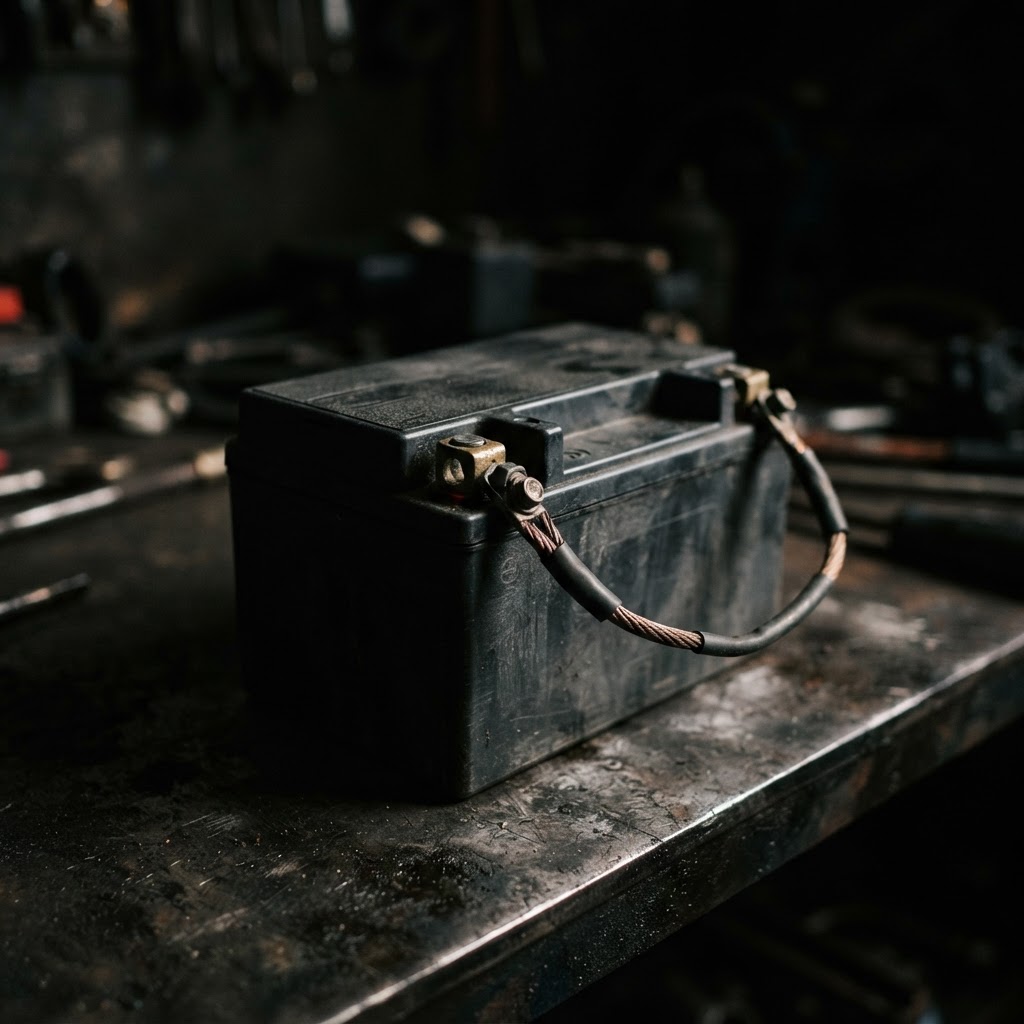
Replacement ATV Battery
If load testing confirms the current battery is sulfated or failing to hold a charge, a high-quality replacement is necessary to provide the consistent amperage required to engage the starter motor.
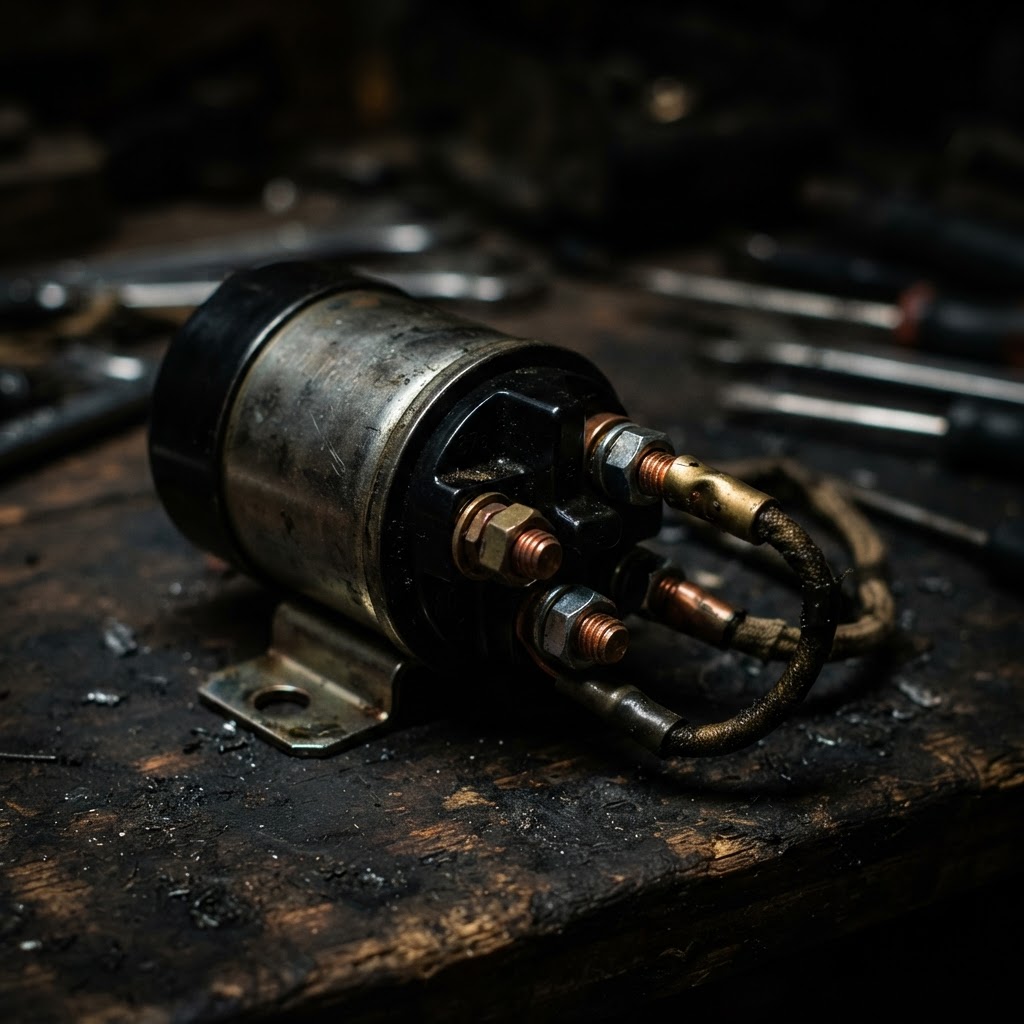
Starter Solenoid Relay
If the solenoid bypass test reveals a failure in the internal contacts, replacing the solenoid ensures reliable electrical connectivity for cranking the engine.
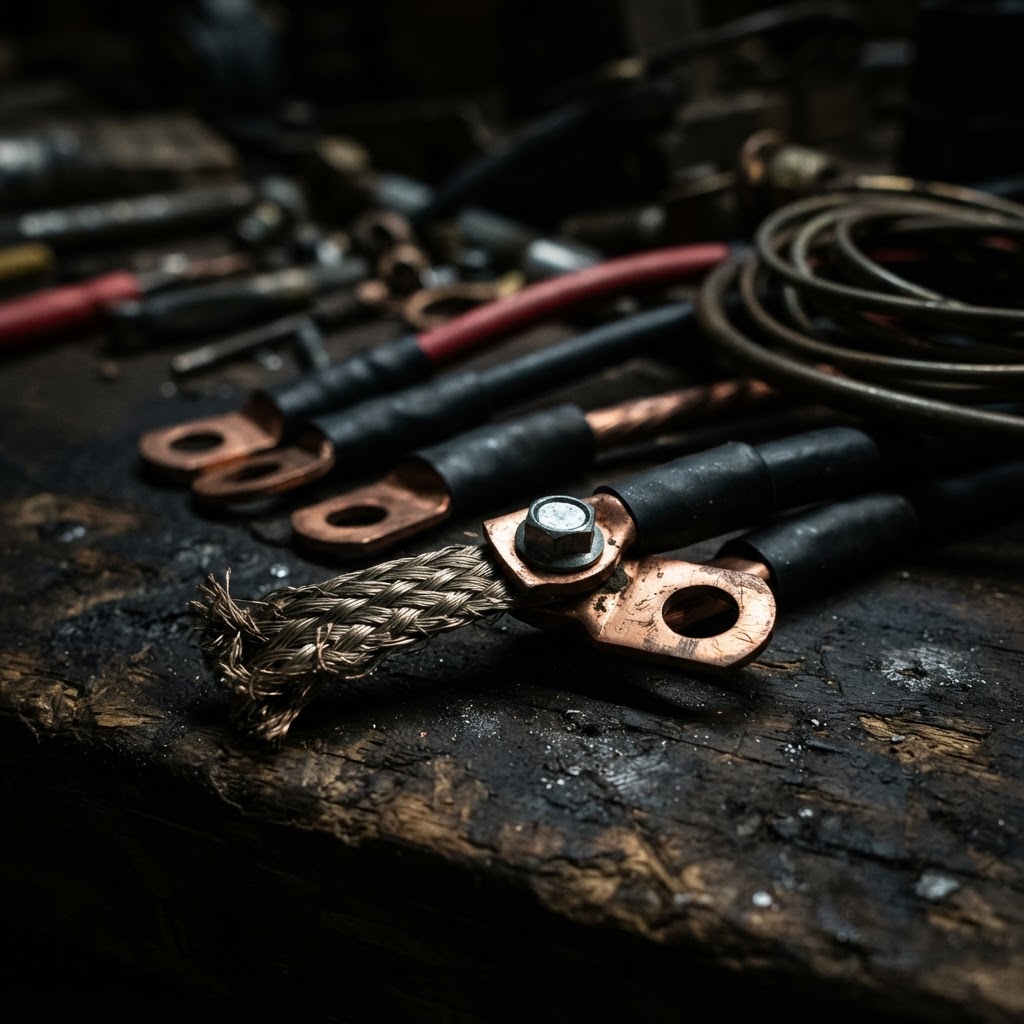
Battery Cable/Ground Strap Kit
If cables show excessive internal corrosion or fraying that prevents proper current flow, replacing the ground strap and positive cables resolves the bottleneck preventing the starter from turning.
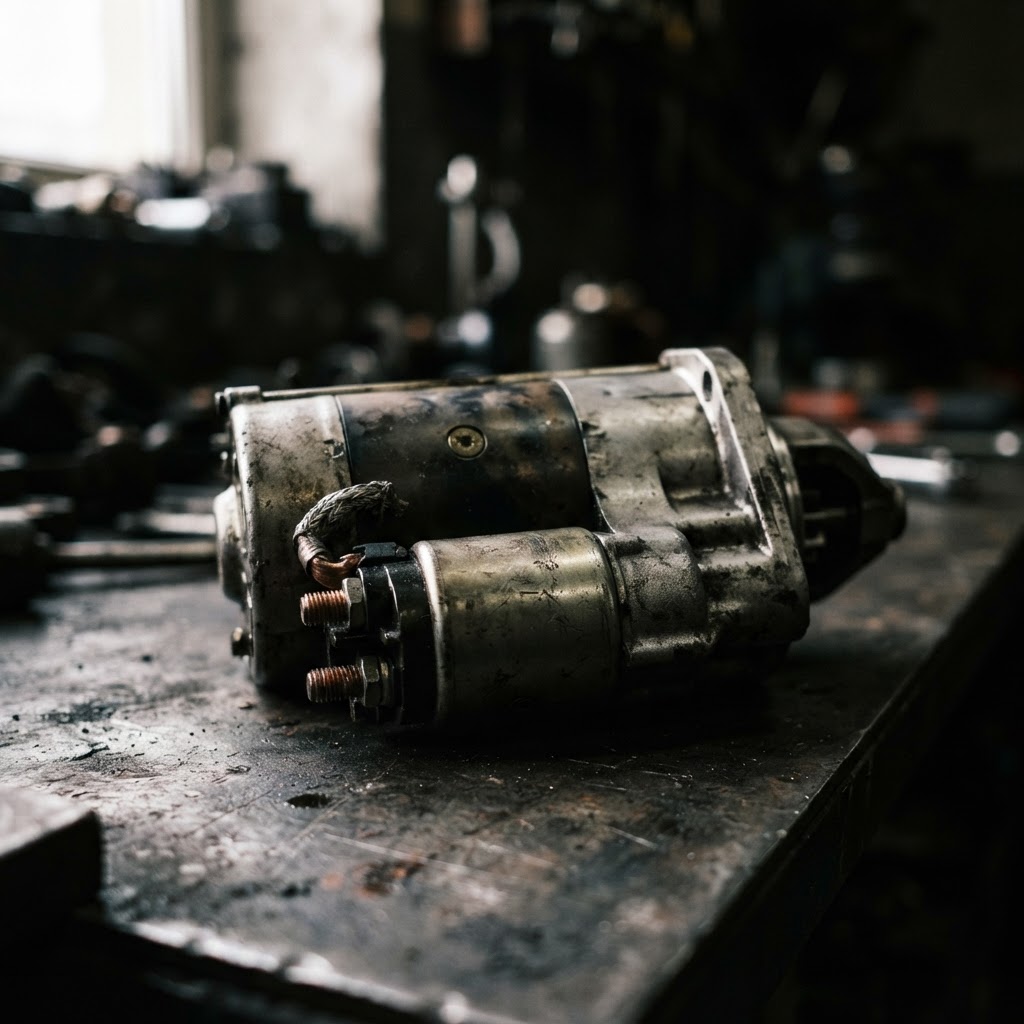
Starter Motor
If internal motor brushes or the armature have failed, replacing the starter motor is the only way to restore the mechanical function needed to crank the engine.
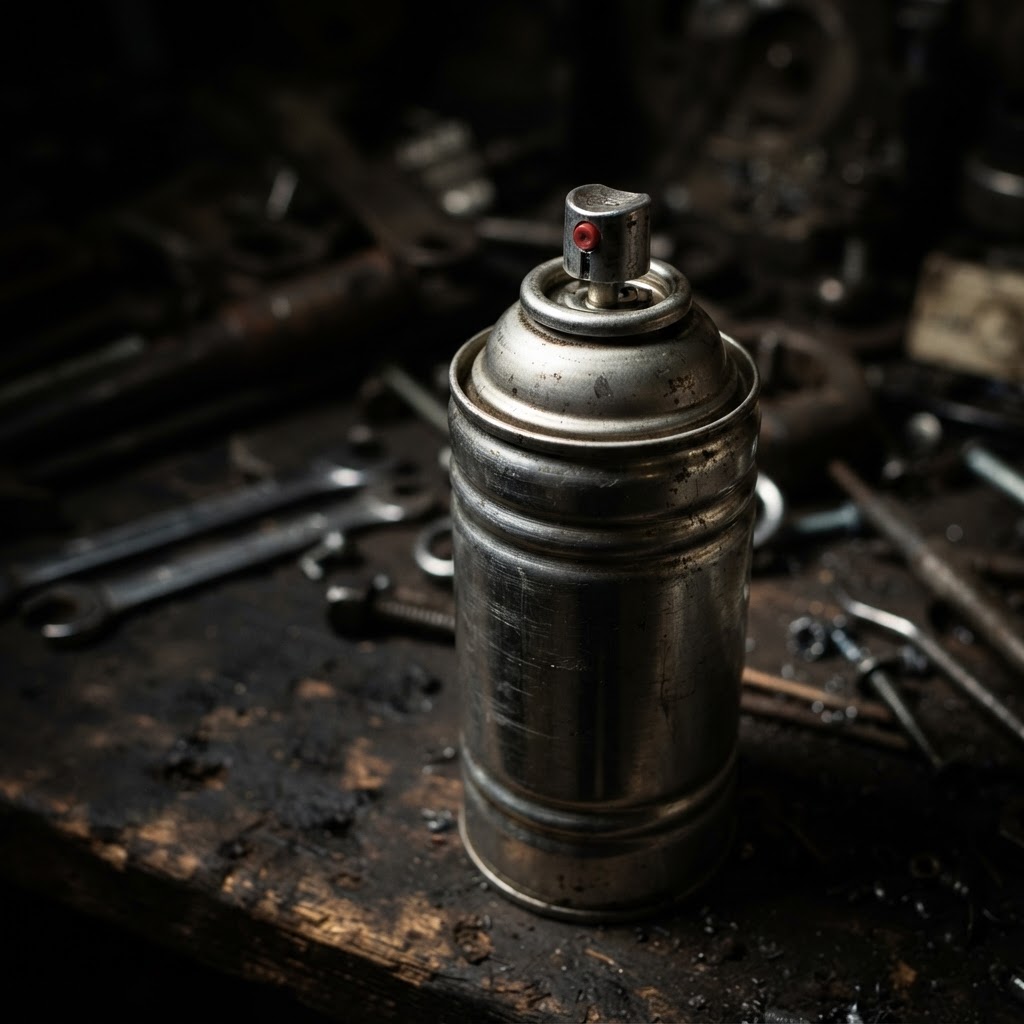
Electrical Contact Cleaner
This is a specialized consumable needed to clean corrosion from terminal connections to ensure low-resistance contact between the battery, solenoid, and starter cables.
Affiliate Disclosure: Lil Engine may earn commissions from qualifying purchases.
Pro Tips from the Community
Real-world fixes from Reddit, YouTube & forums.
"If you hear a single click but no crank, use a screwdriver to jump the two large terminals on the solenoid; if it cranks, your solenoid is toast."
YouTube comments"Check your ground strap connection at the engine block; nine times out of ten, vibration rattles it loose or rust creates enough resistance to prevent the starter from engaging."
Reddit r/ATV"Don't trust a new battery's voltage until you load test it, as a surface charge will read 12 volts but drop to nothing the second the starter tries to pull current."
LawnSite.com Forum"If the ATV only clicks, put it in neutral and rock it back and forth; sometimes the starter drive gear is stuck on the flywheel ring gear and just needs a little physical coaxing."
TractorByNetPrevent This From Coming Back
Apply dielectric grease to all electrical connections annually to prevent oxidation
Keep the battery on a smart trickle charger like a Battery Tender during off-season storage
Periodically tighten the engine block ground bolt as vibration loosens it over time
Inspect the battery vent tube for blockages to prevent acid buildup on the frame
Prevent This From Happening Again
While you're fixing it, stock up on the maintenance essentials that keep your small engines running right.
Spark Plug
The cheapest, fastest fix for most small engine starting problems.
Get on AmazonCarburetor Cleaner
Cleaning the carb is the #1 fix for surging and stalling engines.
Get on AmazonFuel Stabilizer
Prevents the stale fuel problems that cause most seasonal no-starts.
Get on AmazonAffiliate Disclosure: Lil Engine may earn commissions from qualifying purchases.
Frequently Asked Questions
Yes, but do not have the car's engine running while jumping, as the higher alternator voltage can fry the ATV's sensitive CDI box and electronics.
Video Help
Helpful videos showing these repairs in action.
Share Your Repair
Real-world fixes help everyone. Share what worked and your repair becomes part of Lil Engine's community database.
Related Problems
More Small Engines GuidesRelated Maintenance Articles
Related Symptoms
Related Searches
Small Engines Troubleshooting
Did this help?
Your feedback helps improve guides for everyone.