Shindaiwa Weed Eater Won't Stay Running
⚡ Quick Answer
The most likely causes for a Shindaiwa weed eater not staying running are clogged fuel lines, a dirty carburetor, or a faulty spark plug. Start by inspecting the fuel supply and cleaning the carburetor for optimal performance.
What do you want to do?
Most Likely Cause
Degraded Fuel Pick-up Line
The internal fuel line inside the tank can crack or harden, losing the necessary seal at the fuel filter. Check if the line is supple; if it is brittle, it will suck air instead of fuel once the fuel level drops below the crack.
Start here — this is the most common reason for this symptom.
Why This Problem Happens
Shindaiwa trimmers rely on a precise air-fuel ratio within the two-cycle combustion chamber. When a unit starts but fails to stay running, it typically indicates a breakdown in the fuel delivery vacuum or a critical air leak disrupting the pulse signal to the Walbro or Zama carburetor. Over time, the ethanol in modern pump gasoline degrades the internal rubber diaphragms and fuel lines, causing them to stiffen or crack, which compromises the crankcase pressure necessary to cycle fuel into the engine. Additionally, because these engines operate at high RPMs, any thermal expansion at the intake manifold or cylinder base gaskets can create microscopic gaps. This lean condition causes the engine to die once it consumes the initial prime because it can no longer maintain the steady state of atmospheric pressure regulation required for continuous combustion.
Common Symptoms
- Engine dies immediately after the prime bulb purge is consumed
- Erratic idling behavior that surges before stalling
- Difficulty restarting when the engine is at operating temperature
- Bogging down under even light throttle application
- Noticeable lean pop or sneezing through the air cleaner
Before You Buy Parts
Quick, free inspections — check these first. Most repairs don't actually need replacement parts.
Complete Resource Guide
Complete Weed Eaters Troubleshooting & Repair Guide
Repair Overview
45–90 minutes
$15–$50
First Checks — Start Here
- 1Check the fuel level and condition.
- 2Inspect and clean the air filter.
- 3Examine the spark plug for wear or damage.
- 4Ensure the fuel lines are free from obstructions.
- 5Clean the carburetor if it's gummed up.
Safety Warnings
- !Drain fuel into an approved container and work in a well-ventilated area to prevent ignition of fumes.
- !Wear safety glasses; aerosolized solvents can cause severe eye irritation.
- !The muffler and exhaust port will be extremely hot if the unit was recently run.
- !Do not exceed 10 PSI or you may damage the internal oil seals.
- !Avoid touching the flywheel or moving parts while the engine is running.
- !Disconnect the spark plug wire before rotating the flywheel to prevent accidental starting.
- !Using generic, non-ethanol-safe fuel lines that collapse under vacuum
Always disconnect the spark plug, work in a well-ventilated area, and consult a professional if unsure.
Most Likely Causes
Ranked by likelihood — tap each to see diagnosis details.
The internal fuel line inside the tank can crack or harden, losing the necessary seal at the fuel filter. Check if the line is supple; if it is brittle, it will suck air instead of fuel once the fuel level drops below the crack.
Walbro and Zama carburetors have a fine internal mesh filter that catches microscopic debris. If this screen is varnished over by old fuel, the engine will run briefly on the prime but starve for fuel at operating speed.
🔧 Step-by-Step Fix Guide
Inspect Fuel System Integrity
Replace the fuel lines, grommet, and felt fuel filter using genuine Shindaiwa components. Ensure the return line is not kinked, as this will prevent the carburetor from venting properly, causing a fuel-lock condition.
Drain fuel into an approved container and work in a well-ventilated area to prevent ignition of fumes.
Carburetor Internal Rebuild
Disassemble the carburetor and inspect the metering diaphragm for stiffness. Use a specialized carburetor cleaner to blow out the idle and high-speed circuits, ensuring the check valve is not stuck.
Wear safety glasses; aerosolized solvents can cause severe eye irritation.
Check Spark Arrestor Screen
Remove the muffler cover and pull out the spark arrestor screen. If it is caked with carbon, burn it clean with a propane torch or replace it to restore engine breathing.
The muffler and exhaust port will be extremely hot if the unit was recently run.
Pressure Test Crankcase
Use a Mityvac hand pump to pull 6-8 PSI of vacuum on the engine. If the needle drops, the crank seals or cylinder base gasket are leaking and must be replaced.
Do not exceed 10 PSI or you may damage the internal oil seals.
Adjust Low-Speed Mixture
Locate the 'L' adjustment screw on the carburetor. With the engine warm, turn the screw in 1/8-turn increments until the idle smoothens, ensuring you do not set it too lean.
Avoid touching the flywheel or moving parts while the engine is running.
Examine Ignition Coil Gap
Remove the fan housing and check the air gap between the ignition coil and the flywheel magnets. It should typically be set to 0.010-0.012 inches using a non-magnetic feeler gauge.
Disconnect the spark plug wire before rotating the flywheel to prevent accidental starting.
What To Test Next
If fuel flow is steady, the next thing to inspect is the ignition coil when the engine is hot — a failing coil often fails warm and recovers when cool.
Component Reference

Carburetor & Fuel Intake
The carburetor mixes air and fuel for combustion. A clogged jet or stuck float is the #1 cause of small engine starting and surging problems.

Spark Plug & Ignition System
The spark plug ignites the air-fuel mixture. A fouled plug, wrong gap, or failing ignition coil will prevent the engine from firing.

Oil & Lubrication System
Regular oil changes are critical. Low or dirty oil causes engine wear, overheating, and eventual seizure. Check the dipstick before every season.

Air Filter & Intake
A clogged air filter starves the engine of air, causing rich running, power loss, and hard starting. Inspect and clean or replace it each season.
Photos for educational reference. Actual parts may vary by make and model.
Common Mistakes to Avoid
Using generic, non-ethanol-safe fuel lines that collapse under vacuum
Over-tightening the carburetor mounting bolts and cracking the insulator block
Adjusting the carburetor 'H' and 'L' screws without cleaning the internal filter screen first
Replacing parts without checking the crankcase seal integrity
If This Didn't Fix It
Still having trouble? These are the next things to check:
Get the Exact Parts for Your Machine
Tell us your equipment's year, make, and model — we'll search for parts that actually fit, not generic ones.
Finding parts for
shinadawa weed eater
Required Gear
Matched to your shinadawa weed eater — click to find the exact fit on Amazon.
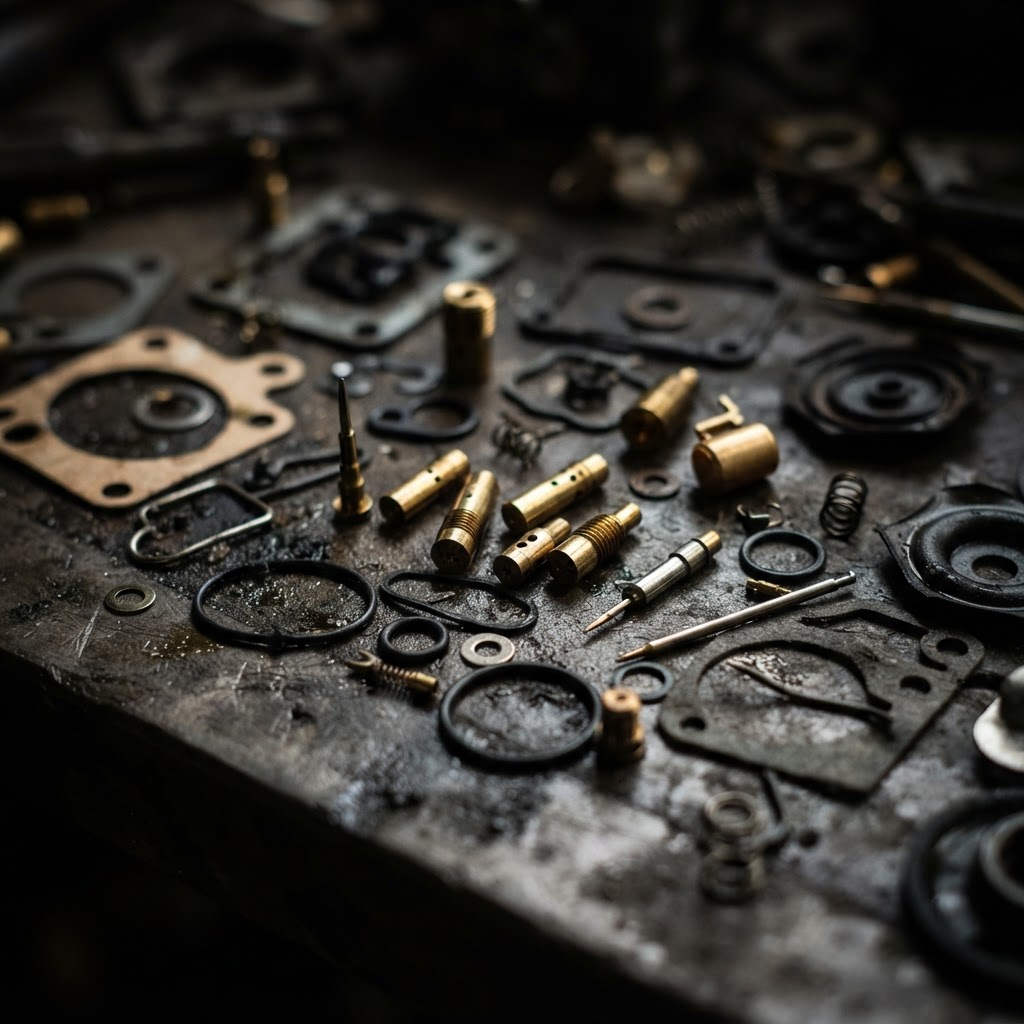
Carburetor Rebuild Kit
This kit provides the specific diaphragms, gaskets, and intake screen necessary to address fuel delivery issues caused by internal clogs or degraded components.
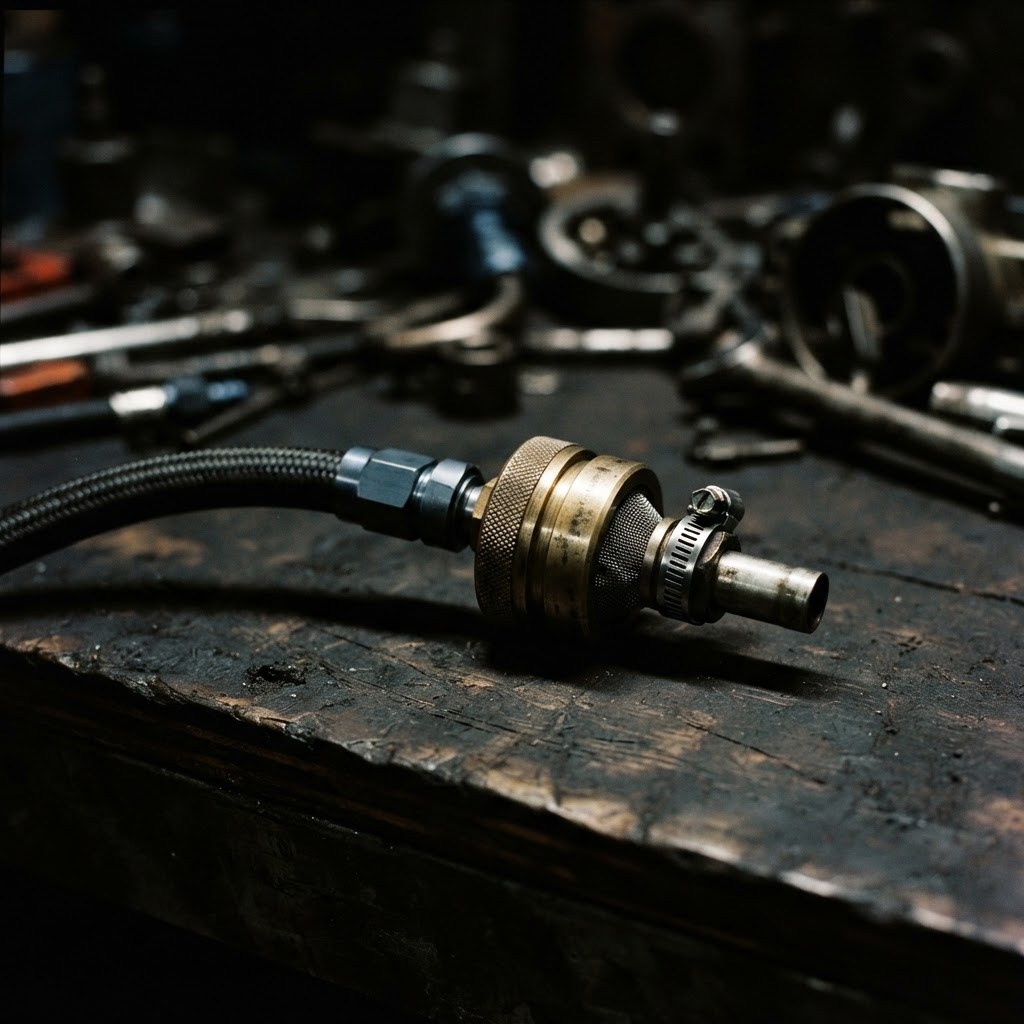
Fuel Line and Pick-up Filter Kit
A new fuel line ensures the intake system is airtight and free of cracks, while a fresh filter prevents debris from re-clogging the rebuilt carburetor.
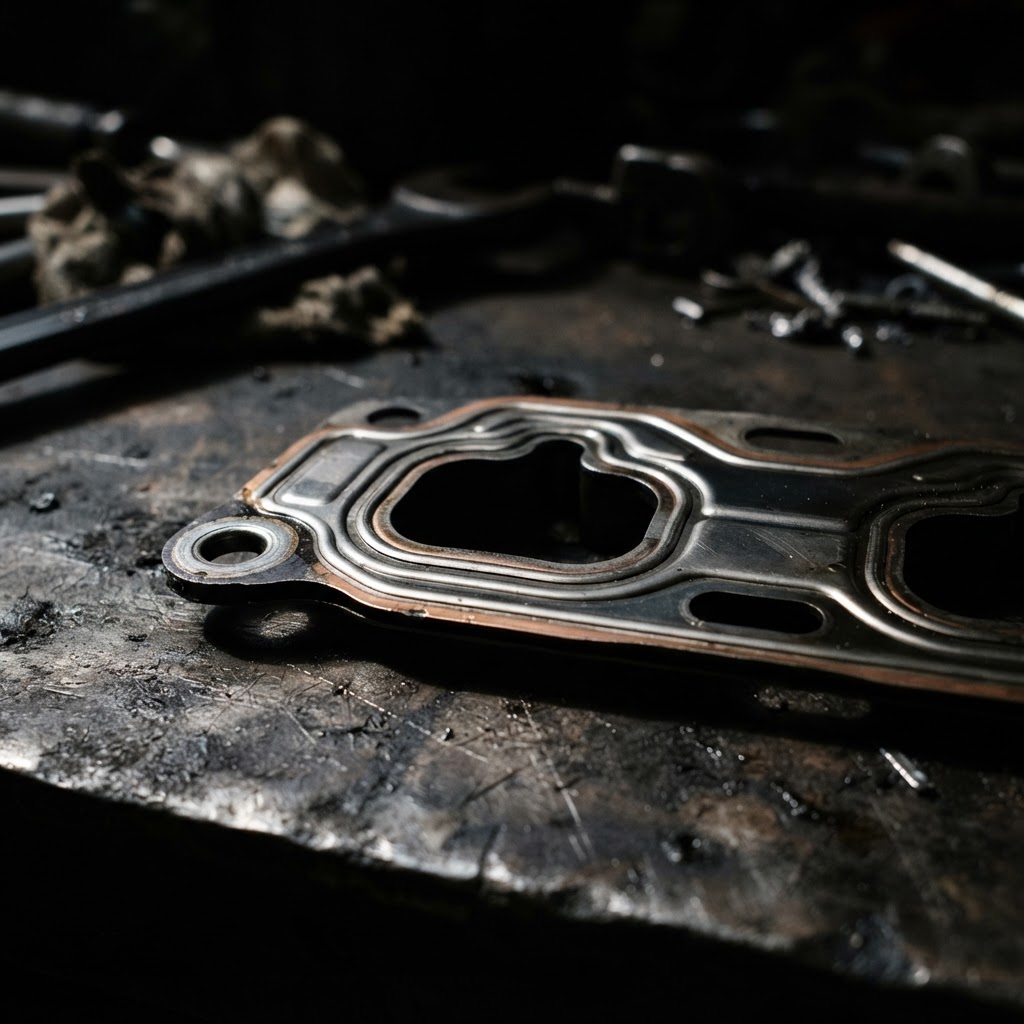
Intake Manifold Gasket
When addressing an air leak at the intake, replacing this gasket is mandatory to ensure a proper seal between the carburetor and cylinder, preventing lean-running conditions.
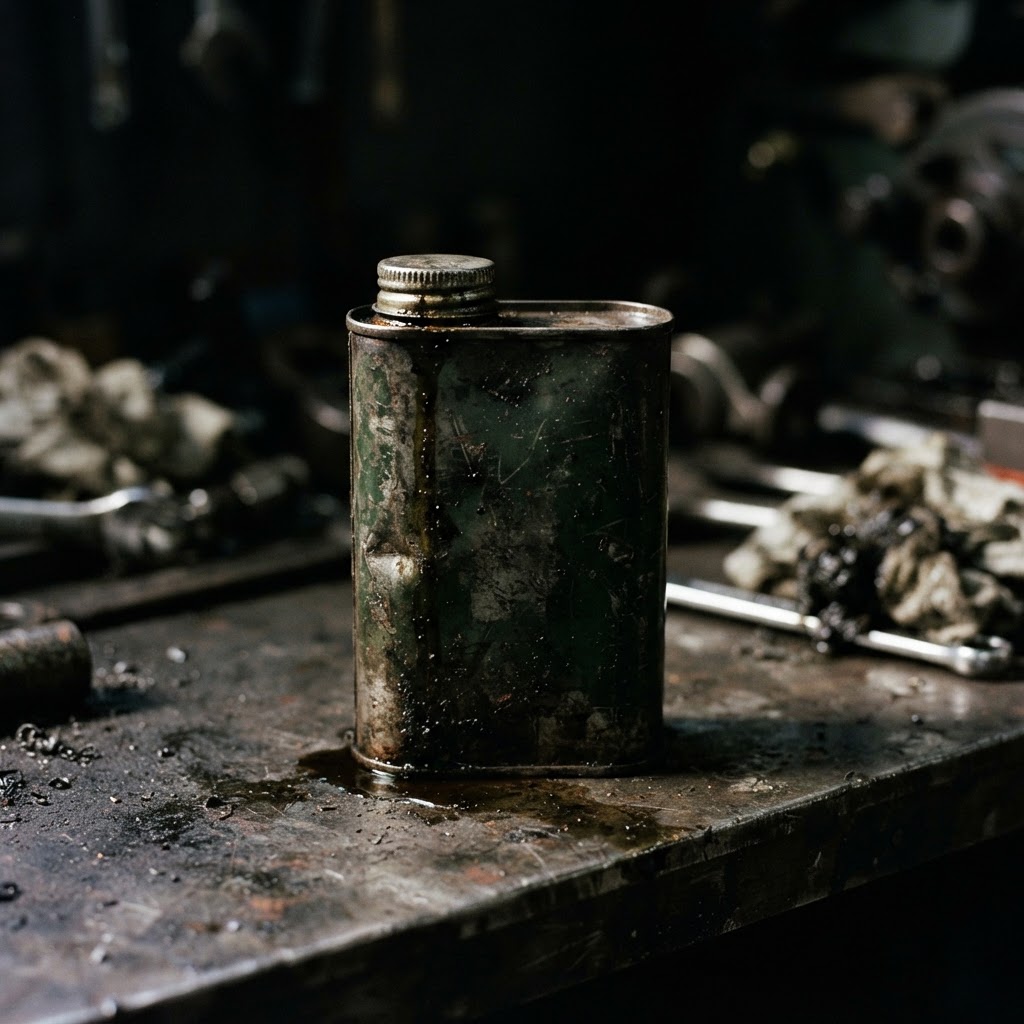
2-Cycle Engine Degreaser/Carbon Cleaner
This chemical cleaner is essential for dissolving heavy carbon deposits blocking the exhaust port, which restores necessary backpressure and engine performance.
Affiliate Disclosure: Lil Engine may earn commissions from qualifying purchases.
Pro Tips from the Community
Real-world fixes from Reddit, YouTube & forums.
"Check the air filter for clogs — a clean filter can make all the difference in keeping it running smoothly."
YouTube comments"Inspect the fuel lines for cracks or leaks; even small leaks can cause it to stall out."
Reddit r/lawncare"Make sure your spark plug is gapped correctly and check for corrosion; a weak spark can lead to stalling."
LawnSite.com Forum"If you have to keep squeezing the throttle to keep it running, your idle speed may need adjustment."
TractorByNetPrevent This From Coming Back
Use only ethanol-free gasoline to preserve fuel system rubber components
Add a high-quality fuel stabilizer to every gas can upon purchase
Change the air filter every 25 hours of operation to prevent engine ingestion of debris
Periodically inspect the fuel return line for signs of hardening or yellowing
Prevent This From Happening Again
While you're fixing it, stock up on the maintenance essentials that keep your weed eaters running right.
Trimmer Line/String
Quality trimmer line breaks less and cuts cleaner.
Get on Amazon2-Cycle Oil
Fresh fuel mix prevents carb diaphragm hardening and starting issues.
Get on AmazonSpark Arrestor Screen
A clogged spark arrestor causes power loss — clean or replace it.
Get on AmazonAffiliate Disclosure: Lil Engine may earn commissions from qualifying purchases.
Frequently Asked Questions
Yes, but ensure it is safe for plastics and rubber. Aggressive cleaners can damage the internal diaphragm materials if left to soak too long.
Video Help
Helpful videos showing these repairs in action.
Share Your Repair
Real-world fixes help everyone. Share what worked and your repair becomes part of Lil Engine's community database.
Related Problems
More Weed Eaters GuidesRelated Maintenance Articles
Related Symptoms
Stalling / Dies
Carburetor / Fuel Issues
Related Searches
Weed Eaters Troubleshooting
Did this help?
Your feedback helps improve guides for everyone.