Kohler Command 20hp Cranks But Won't Start — Fuel & Spark Diagnosis
⚡ Quick Answer
On the Kohler Command 20hp (CH20/CV20), the most common culprit for a crank-no-start is a stuck fuel shut-off solenoid at the base of the carburetor. Verify that the solenoid clicks when the ignition is turned to 'ON' and ensure you have 12V DC at the red/white wire. If the solenoid is working, check for spark on both cylinders using a gap tester set to 0.030 inches, as these engines utilize dual independent ignition modules that can fail individually.
What do you want to do?
Most Likely Cause
Failed Fuel Shutdown Solenoid
The solenoid mounted on the base of the carburetor must retract to allow fuel flow from the bowl. Use a multimeter to verify 12VDC at the harness; if the solenoid does not click when the key is turned, it is likely seized or electrically dead.
Start here — this is the most common reason for this symptom.
Why This Problem Happens
The Kohler Command series utilizes a sophisticated overhead valve (OHV) configuration combined with a pressurized lubrication and electronic ignition system. When this engine cranks but refuses to fire, it usually stems from a loss of combustion synchronization or fuel delivery failure. Because the Command uses a capacitive discharge ignition (CDI) system, it requires a precise magnetic trigger from the flywheel magnets to the ignition modules to generate high-voltage arcs at the spark plug electrodes. If the air gap between the magnets and the coil is out of factory specification, the spark energy will be insufficient to jump the plug gap under compression. Conversely, if the fuel delivery system—specifically the vacuum-pulse fuel pump—fails to overcome the internal resistance of the float needle or if the carb solenoid is not retracting, the cylinder remains dry despite strong cranking speed. The combination of these factors creates a 'crank-no-start' scenario where mechanical compression is likely present, but the essential fire-triangle components—fuel atomization and spark timing—are fundamentally compromised.
Common Symptoms
- Engine cranks at normal RPM but shows zero sign of combustion
- Dry spark plugs after repeated cranking attempts
- Presence of fuel in oil pan indicating leaking carburetor float
- No audible click from the fuel solenoid when the key is turned to run
- Intermittent sparking when tested with an inline spark gap tester
Before You Buy Parts
Quick, free inspections — check these first. Most repairs don't actually need replacement parts.
Complete Resource Guide
Complete Small Engines Troubleshooting Guide
Brand Resource Hub
Kohler Small Engine Repair & Troubleshooting Guide
Repair Overview
1–2 hours
$10–$50
First Checks — Start Here
- 1Verify fuel solenoid clicks when the key is turned to the 'ON' position
- 2Check for 12.4V+ at the carburetor solenoid wire connector
- 3Remove air filter and check for fuel smell or standing oil in the intake
- 4Test spark on both cylinders using a spark tester (0.030" gap)
- 5Disconnect the white kill wire at the engine harness to isolate safety switch shorts
- 6Confirm fuel pump output by cranking with the fuel line disconnected at the carb
Safety Warnings
- !Ensure the spark plug wire is grounded properly to the engine block to prevent damage to the ignition module.
- !Always disconnect the negative battery terminal before handling fuel-related electrical components.
- !Wear safety goggles to protect eyes from fuel spray and debris when using pressurized cleaner.
- !Perform this test in a well-ventilated area away from hot exhaust components to prevent fire.
- !Do not use a ferrous feeler gauge if it can be attracted to the magnet; use a non-magnetic plastic shim or brass gauge.
- !If the oil is contaminated, change it immediately as fuel-diluted oil destroys engine bearings.
- !Testing for spark by touching the plug to the head, which is unreliable compared to a dedicated gap tester.
- !Assuming the fuel pump is bad when the real culprit is a clogged pickup tube in the fuel tank.
Always disconnect the spark plug, work in a well-ventilated area, and consult a professional if unsure.
Most Likely Causes
Ranked by likelihood — tap each to see diagnosis details.
The solenoid mounted on the base of the carburetor must retract to allow fuel flow from the bowl. Use a multimeter to verify 12VDC at the harness; if the solenoid does not click when the key is turned, it is likely seized or electrically dead.
The air gap between the flywheel magnets and the ignition coils must be .010 to .014 inches. If this gap widens due to vibration or thermal expansion, the magnetic flux is insufficient to trigger the CDI spark.
🔧 Step-by-Step Fix Guide
Verify Spark Integrity
Attach an adjustable inline spark tester to the spark plug wire and crank the engine. Ensure the spark jumps a gap of at least 1/4 inch; a weak spark often fails to ignite the mixture under the high-pressure environment of the combustion chamber.
Ensure the spark plug wire is grounded properly to the engine block to prevent damage to the ignition module.
Check Fuel Solenoid Continuity
Disconnect the fuel solenoid wire and use a multimeter to check for 12V supply from the ignition switch. If power is present, listen for an audible click while toggling the key; if no click is heard, the plunger is stuck.
Always disconnect the negative battery terminal before handling fuel-related electrical components.
Inspect Carburetor Bowl and Jets
Remove the fuel bowl and inspect for debris or white varnish deposits. Use compressed air and a small wire to clean the idle and main jets to ensure unrestricted flow.
Wear safety goggles to protect eyes from fuel spray and debris when using pressurized cleaner.
Test Pulse Fuel Pump Output
Disconnect the fuel line at the carburetor and place it into a container. Crank the engine for five seconds; the pump should push a distinct pulse of fuel, indicating that the vacuum diaphragm and check valves are functioning.
Perform this test in a well-ventilated area away from hot exhaust components to prevent fire.
Adjust Ignition Coil Air Gap
Remove the blower housing to expose the ignition coils. Loosen the mounting bolts, insert a .010-inch feeler gauge between the coil lamination and the flywheel magnet, and tighten the bolts while holding the gauge in place.
Do not use a ferrous feeler gauge if it can be attracted to the magnet; use a non-magnetic plastic shim or brass gauge.
Check Crankcase Oil for Fuel Dilution
Pull the dipstick and smell the oil for a strong gasoline odor. If the oil is thinned or over-filled, the carburetor float needle is leaking, which will cause the engine to flood and prevent starting.
If the oil is contaminated, change it immediately as fuel-diluted oil destroys engine bearings.
What To Test Next
If fuel delivery checks out, the next thing to inspect is spark — remove the spark plug, ground its threads to the engine block, and crank the engine to look for a visible blue spark.
Component Reference

Carburetor & Fuel Intake
The carburetor mixes air and fuel for combustion. A clogged jet or stuck float is the #1 cause of small engine starting and surging problems.

Spark Plug & Ignition System
The spark plug ignites the air-fuel mixture. A fouled plug, wrong gap, or failing ignition coil will prevent the engine from firing.

Oil & Lubrication System
Regular oil changes are critical. Low or dirty oil causes engine wear, overheating, and eventual seizure. Check the dipstick before every season.

Air Filter & Intake
A clogged air filter starves the engine of air, causing rich running, power loss, and hard starting. Inspect and clean or replace it each season.
Photos for educational reference. Actual parts may vary by make and model.
Common Mistakes to Avoid
Replacing the coil without re-checking the air gap after tightening the bolts.
Using a metallic feeler gauge that sticks to the flywheel magnet, resulting in an inaccurate gap.
Testing for spark by touching the plug to the head, which is unreliable compared to a dedicated gap tester.
Assuming the fuel pump is bad when the real culprit is a clogged pickup tube in the fuel tank.
If This Didn't Fix It
Still having trouble? These are the next things to check:
Get the Exact Parts for Your Machine
Tell us your equipment's year, make, and model — we'll search for parts that actually fit, not generic ones.
Finding parts for
Kohler Command 20hp
Required Gear
Matched to your Kohler Command 20hp — click to find the exact fit on Amazon.
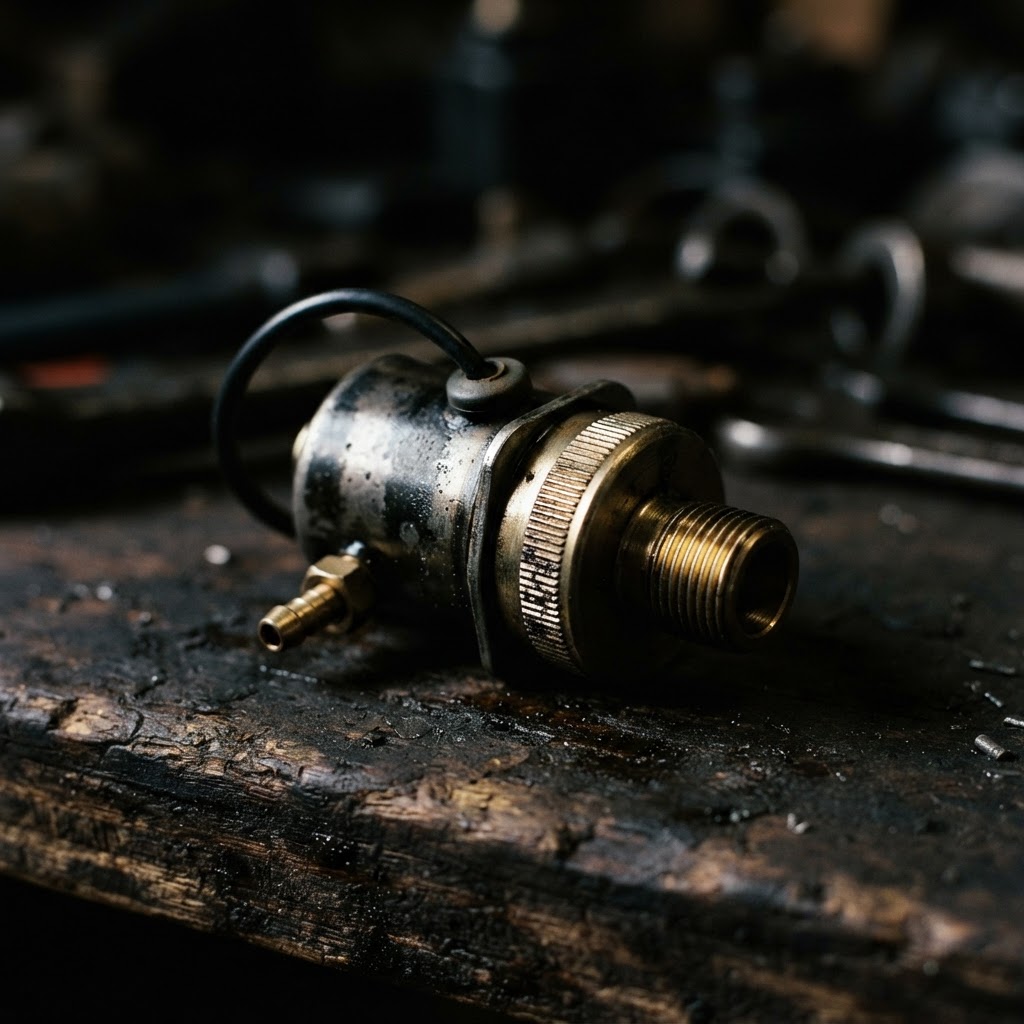
Kohler Fuel Shut-off Solenoid
If the internal plunger has failed or is stuck in the closed position, the engine will crank but receive no fuel to the carburetor.
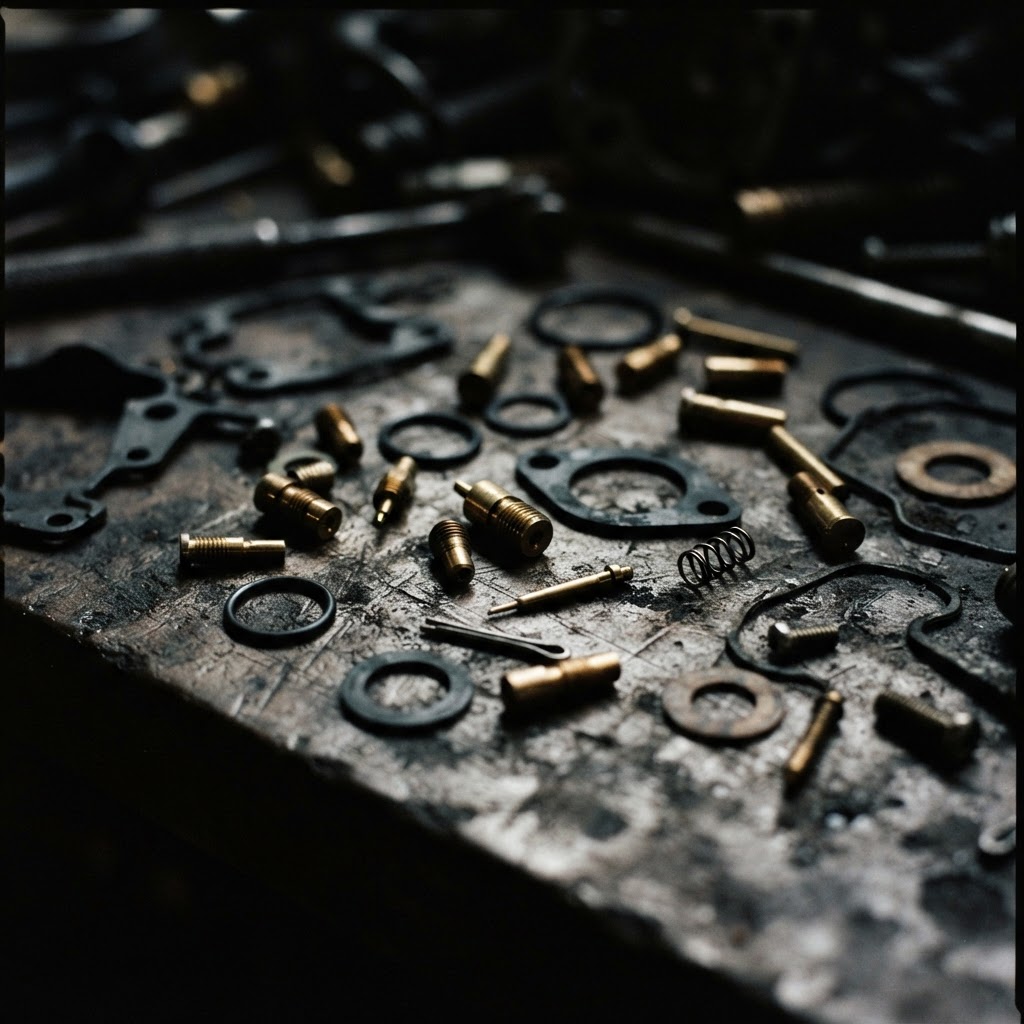
Carburetor Rebuild Kit
Includes new gaskets, jets, and needle valves essential for cleaning out gummed passages caused by stale fuel.
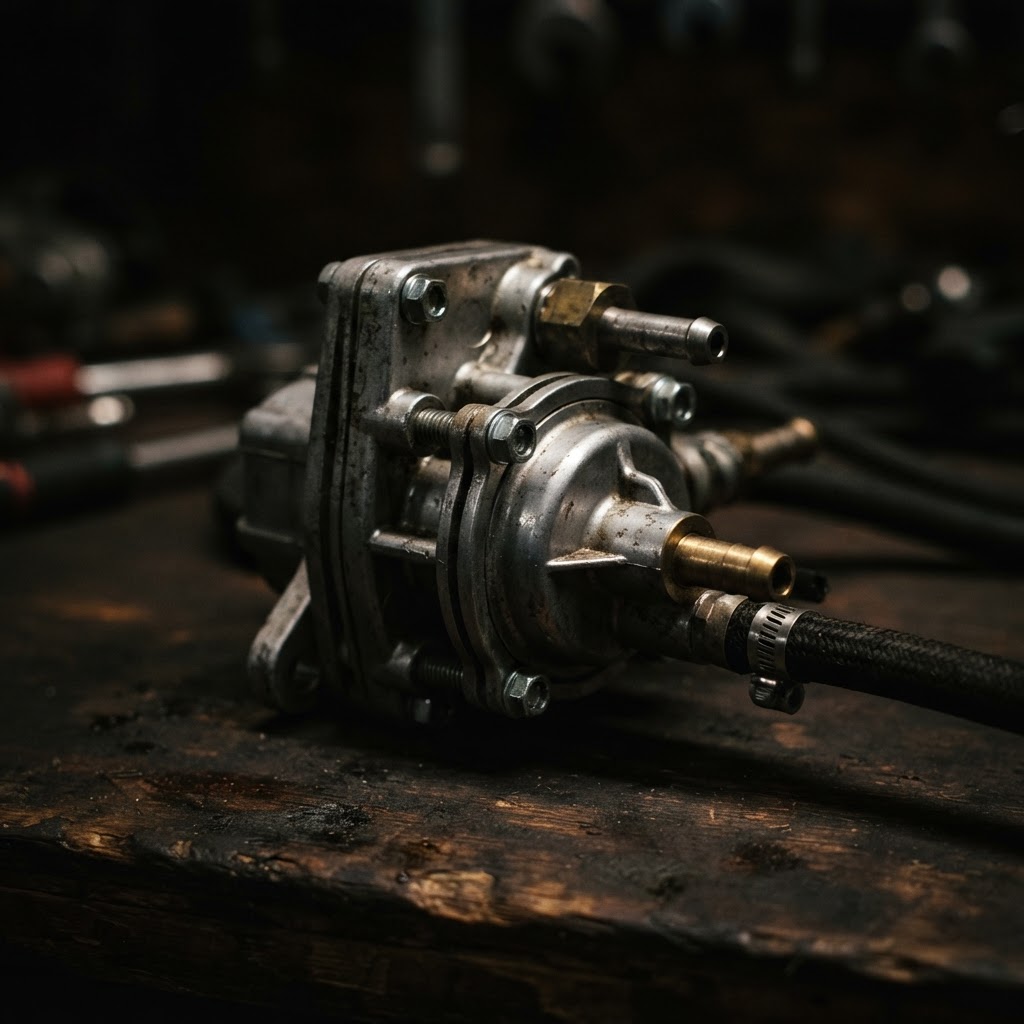
Pulse Fuel Pump
The internal diaphragm frequently cracks or stiffens over time, preventing the pump from drawing fuel from the tank to the carburetor.
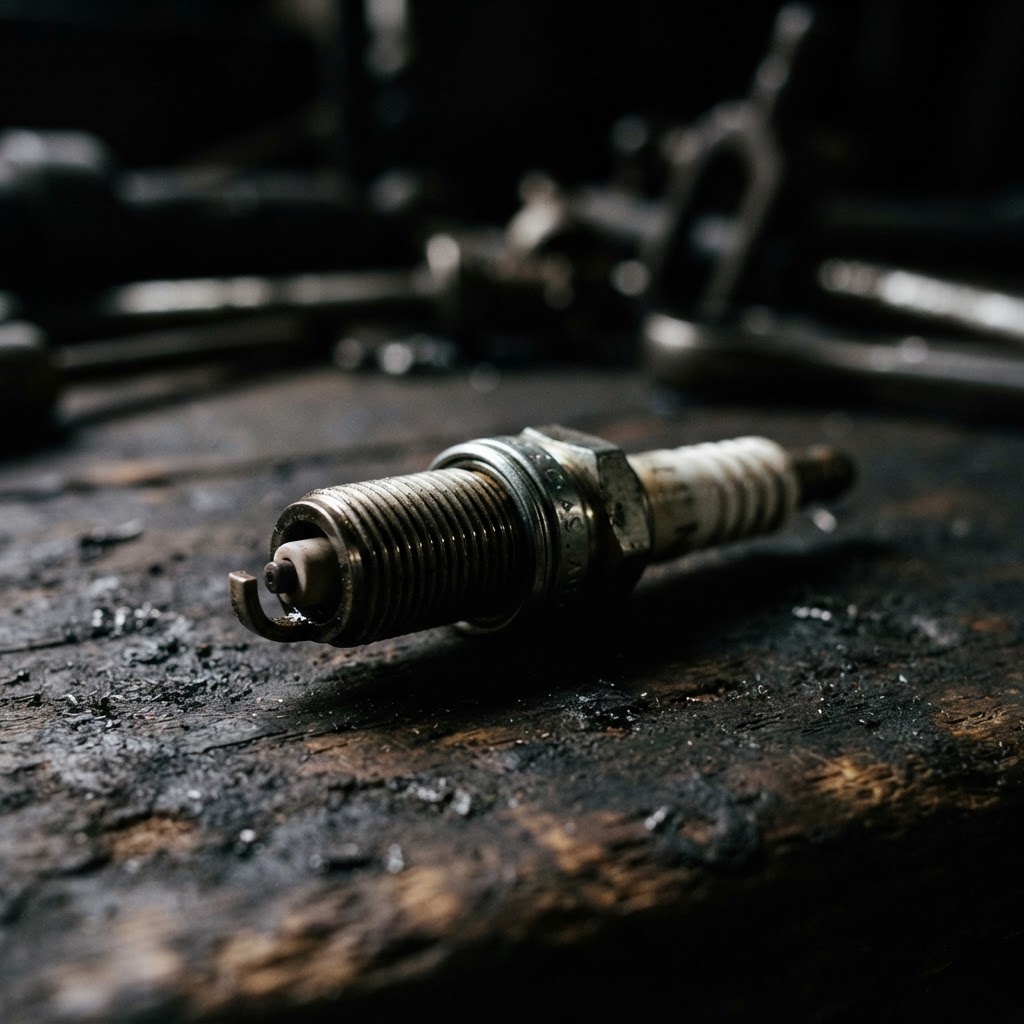
NGK Spark Plug
Carbon-bridged or fouled plugs are common on this engine when starting attempts occur with a flooded carburetor, preventing ignition.
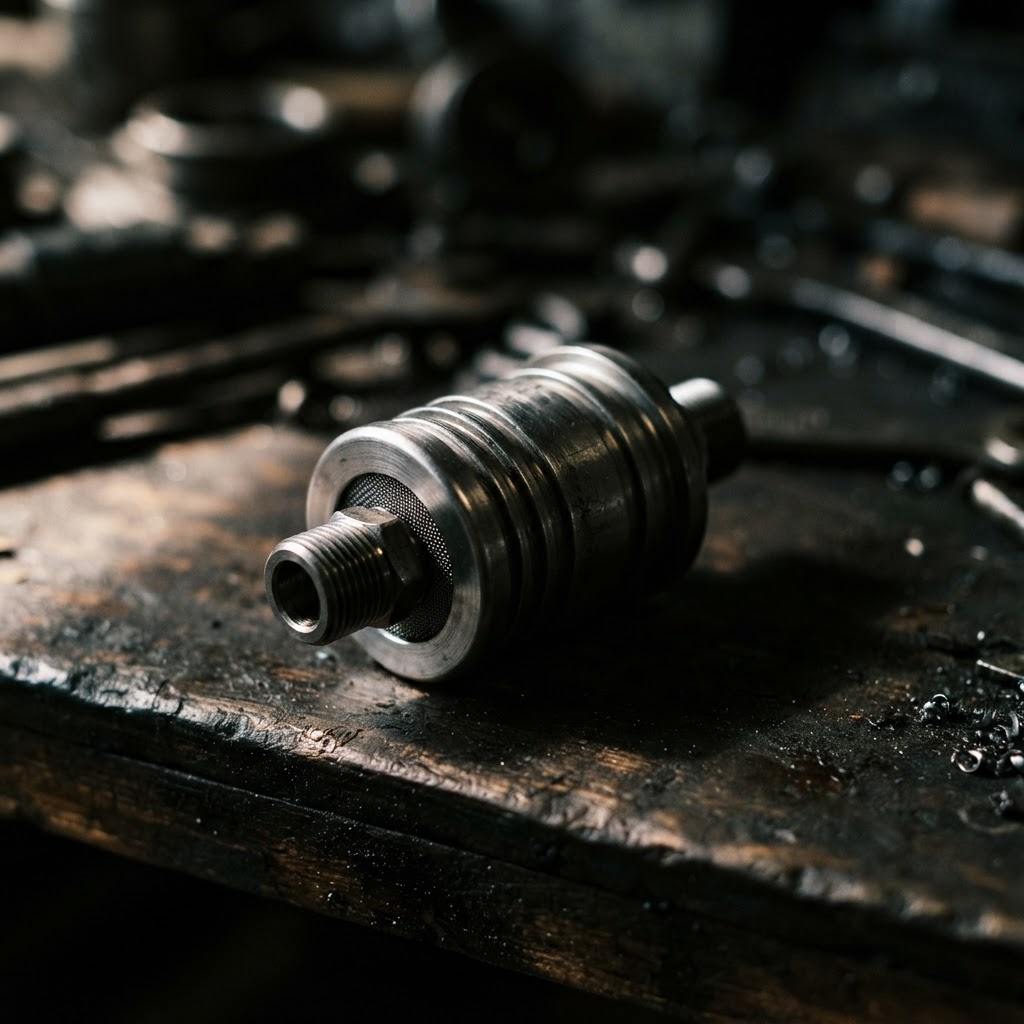
Inline Fuel Filter
If the existing filter is clogged or allowing debris through, it will contribute to immediate re-clogging of the carburetor jets after cleaning.
Affiliate Disclosure: Lil Engine may earn commissions from qualifying purchases.
Pro Tips from the Community
Real-world fixes from Reddit, YouTube & forums.
"On Kohler Commands, the fuel solenoid is the most common failure. If it won't start, try spraying a shot of starting fluid in the intake; if it runs for a second, you know the solenoid is stuck shut."
TractorByNet Forum"Check the white wire at the engine connector. I've spent hours chasing spark only to find a $10 seat switch was grounding the coils. Unplugging the engine harness 'kill' wire proves the engine is healthy."
Reddit r/lawncare"If your Kohler is leaking oil near the air filter and won't pull fuel, 9 times out of 10 it's the head gasket blown into the pushrod galley. It loses the vacuum pulse for the fuel pump."
YouTube commentsPrevent This From Coming Back
Use a high-quality fuel stabilizer in every tank of gas, especially during off-season storage.
Replace the fuel filter every 50 hours of operation to prevent sediment from reaching the carb jets.
Regularly clean cooling fins to prevent the engine from overheating, which stresses the ignition modules.
Perform an annual carb cleaning to remove varnish before it hardens in the fine orifices.
Prevent This From Happening Again
While you're fixing it, stock up on the maintenance essentials that keep your small engines running right.
Spark Plug
The cheapest, fastest fix for most small engine starting problems.
Get on AmazonCarburetor Cleaner
Cleaning the carb is the #1 fix for surging and stalling engines.
Get on AmazonFuel Stabilizer
Prevents the stale fuel problems that cause most seasonal no-starts.
Get on AmazonAffiliate Disclosure: Lil Engine may earn commissions from qualifying purchases.
Frequently Asked Questions
Fuel degradation and varnish buildup in the carburetor jets are the most common culprits. The pilot jet is very small and clogs easily, preventing the engine from starting.
Video Help
Helpful videos showing these repairs in action.
Share Your Repair
Real-world fixes help everyone. Share what worked and your repair becomes part of Lil Engine's community database.
Related Problems
More Small Engines GuidesRelated Maintenance Articles
Related Symptoms
Won’t Start
Carburetor / Fuel Issues
Related Searches
Kohler small engine Guides
Did this help?
Your feedback helps improve guides for everyone.