Craftsman Push Mower Cranks But Won't Start — Fuel & Spark Diagnosis
⚡ Quick Answer
First, perform the 'starting fluid test' by spraying a 1-second burst of carb cleaner into the air intake; if the engine fires momentarily, you have a fuel delivery issue, likely a clogged main jet or gummed needle. If it doesn't fire, verify spark using a tester or by grounding the plug against the cylinder head while pulling the recoil. Most Craftsman mowers utilize Briggs & Stratton engines where a sheared flywheel key (caused by hitting an object) or a fouled RC12YC spark plug are the most frequent culprits.
What do you want to do?
Most Likely Cause
Clogged Carburetor Jets
Fuel varnish accumulation restricts flow through the main jet orifice. Verify by spraying carburetor cleaner into the intake and checking if the engine fires momentarily.
Start here — this is the most common reason for this symptom.
Why This Problem Happens
A Craftsman push mower that cranks but fails to fire usually indicates a breakdown in the 'fire triangle': fuel, compression, or spark. Modern small engines, typically Briggs & Stratton, Kohler, or Honda variants, require a precise stoichiometric ratio to achieve combustion. When fuel sits, particularly ethanol-blended gasoline, it oxidizes and leaves behind varnish deposits that clog the microscopic passageways in the carburetor's main jet and pilot jet. This starves the combustion chamber of fuel, resulting in a 'crank no-start' condition even if the ignition system is firing perfectly. Alternatively, the ignition system—specifically the armature air gap or a fouled spark plug—may fail to provide the high-voltage arc necessary to ignite the atomized fuel mixture under cylinder pressure. Even if you see a spark on a plug tester, it may be 'weak' under compression, leading to a failure to initiate the power stroke. If compression is lost due to a stuck valve or worn rings, the engine will lack the mechanical energy to pull fuel through the carburetor throat, rendering it unable to start regardless of fuel quality or spark intensity.
Common Symptoms
- Dry spark plug electrode after repeated cranking
- Engine fires briefly with starter fluid but dies immediately
- Black, carbon-fouled spark plug tip
- Strong odor of old or varnish-like gasoline near the tank
- Excessive resistance or binding when pulling the recoil rope
Before You Buy Parts
Quick, free inspections — check these first. Most repairs don't actually need replacement parts.
Complete Resource Guide
Complete Push Mowers Troubleshooting Guide
Brand Resource Hub
Craftsman Small Engine Repair & Maintenance Guide
Repair Overview
45–90 minutes
$5–$35
First Checks — Start Here
- 1Check fuel level and smell for stale, sour odors indicating varnish.
- 2Verify the safety bail (handle) is held fully against the grip while pulling.
- 3Remove and inspect the air filter for oil soaking or heavy dirt blockage.
- 4Perform a spark test: pull the cord with the plug grounded to check for a blue snap.
- 5Spray carb cleaner into the intake to bypass the fuel system for testing.
- 6Inspect the primer bulb for cracks or the auto-choke linkage for sticking.
Safety Warnings
- !Keep hands clear of the spark plug wire terminal to avoid a high-voltage electrical shock.
- !Do not spray starting fluid into the carburetor while the engine is cranking as it can cause a hazardous flare-back.
- !Wear safety glasses to prevent gasoline or debris from spraying into your eyes during pressurized cleaning.
- !Ensure the spark plug wire is disconnected before rotating the flywheel by hand to prevent accidental starting.
- !Ensure the blade brake is engaged or the mower is tipped away from the carburetor to prevent oil from entering the air filter.
- !Verify the battery is fully charged, as a weak battery may be unable to actuate the solenoid.
- !Assuming the spark plug is good just because it is not wet
- !Using an automotive spark plug with the wrong reach or heat range
- !Leaving the fuel tank empty for months instead of using a fuel stabilizer
- !Bypassing the ignition kill switch without verifying the ground wire health
Always disconnect the spark plug, work in a well-ventilated area, and consult a professional if unsure.
Most Likely Causes
Ranked by likelihood — tap each to see diagnosis details.
Fuel varnish accumulation restricts flow through the main jet orifice. Verify by spraying carburetor cleaner into the intake and checking if the engine fires momentarily.
Carbon deposits on the electrode create a path for current to leak, preventing a spark. Check by removing the plug and examining the gap for oxidation or heavy black soot.
🔧 Step-by-Step Fix Guide
Perform a Spark Test
Use an inline spark tester connected between the plug wire and spark plug. Crank the engine and observe for a crisp blue arc; a faint yellow or absent spark indicates a bad plug or ignition module.
Keep hands clear of the spark plug wire terminal to avoid a high-voltage electrical shock.
Test with Starting Fluid
Remove the air filter and spray a two-second burst of starting fluid into the carburetor throat. Attempt to start the engine; if it runs for a few seconds, you have a confirmed fuel delivery issue.
Do not spray starting fluid into the carburetor while the engine is cranking as it can cause a hazardous flare-back.
Inspect and Clean the Carburetor
Remove the carburetor float bowl using a 1/2-inch socket. Use a thin strand of copper wire to gently clear the main jet orifice of varnish and use compressed air to blow out internal passages.
Wear safety glasses to prevent gasoline or debris from spraying into your eyes during pressurized cleaning.
Verify Ignition Timing
Remove the flywheel screen and check the alignment of the magnets to the ignition coil. If the magnets are not centered when the piston is at Top Dead Center, the flywheel key must be replaced.
Ensure the spark plug wire is disconnected before rotating the flywheel by hand to prevent accidental starting.
Perform a Compression Check
Thread a screw-in compression gauge into the spark plug port. Crank the engine five or six times; a healthy engine should read between 60 and 90 PSI.
Ensure the blade brake is engaged or the mower is tipped away from the carburetor to prevent oil from entering the air filter.
Check Fuel Solenoid
Some Craftsman mowers use an electronic fuel shut-off solenoid at the base of the float bowl. Listen for a distinct 'click' when turning the ignition key to ensure the solenoid is opening.
Verify the battery is fully charged, as a weak battery may be unable to actuate the solenoid.
What To Test Next
If fuel delivery checks out, the next thing to inspect is spark — remove the spark plug, ground its threads to the engine block, and crank the engine to look for a visible blue spark.
Component Reference

Carburetor & Fuel Intake
The carburetor mixes air and fuel for combustion. A clogged jet or stuck float is the #1 cause of small engine starting and surging problems.

Spark Plug & Ignition System
The spark plug ignites the air-fuel mixture. A fouled plug, wrong gap, or failing ignition coil will prevent the engine from firing.

Oil & Lubrication System
Regular oil changes are critical. Low or dirty oil causes engine wear, overheating, and eventual seizure. Check the dipstick before every season.

Air Filter & Intake
A clogged air filter starves the engine of air, causing rich running, power loss, and hard starting. Inspect and clean or replace it each season.
Photos for educational reference. Actual parts may vary by make and model.
Common Mistakes to Avoid
Assuming the spark plug is good just because it is not wet
Over-tightening the carburetor mounting bolts which can crack the intake flange
Using an automotive spark plug with the wrong reach or heat range
Leaving the fuel tank empty for months instead of using a fuel stabilizer
Bypassing the ignition kill switch without verifying the ground wire health
If This Didn't Fix It
Still having trouble? These are the next things to check:
Get the Exact Parts for Your Machine
Tell us your equipment's year, make, and model — we'll search for parts that actually fit, not generic ones.
Finding parts for
Craftsman push mower
Required Gear
Matched to your Craftsman push mower — click to find the exact fit on Amazon.
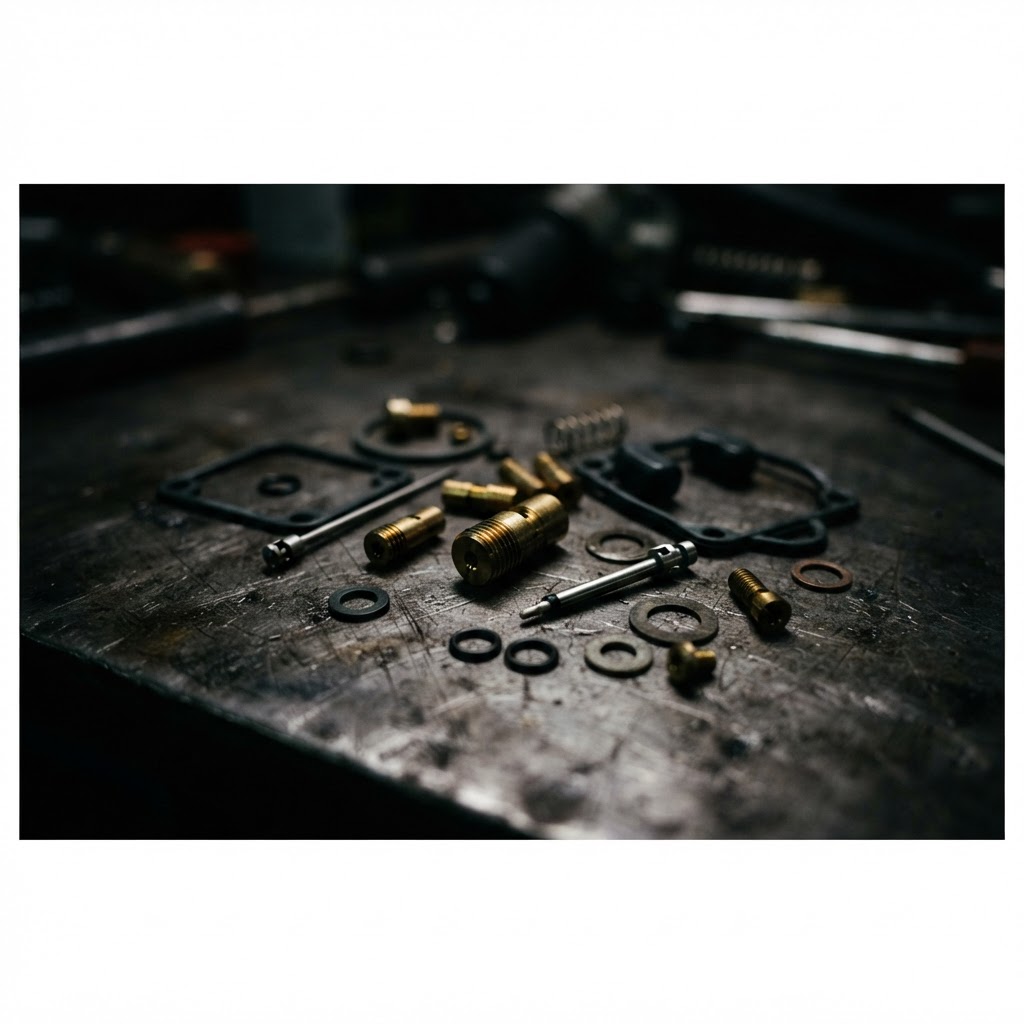
Carburetor Rebuild Kit
This kit provides the essential gaskets, needle, and seat required to resolve fuel delivery issues caused by the clogged jets identified in your diagnosis.
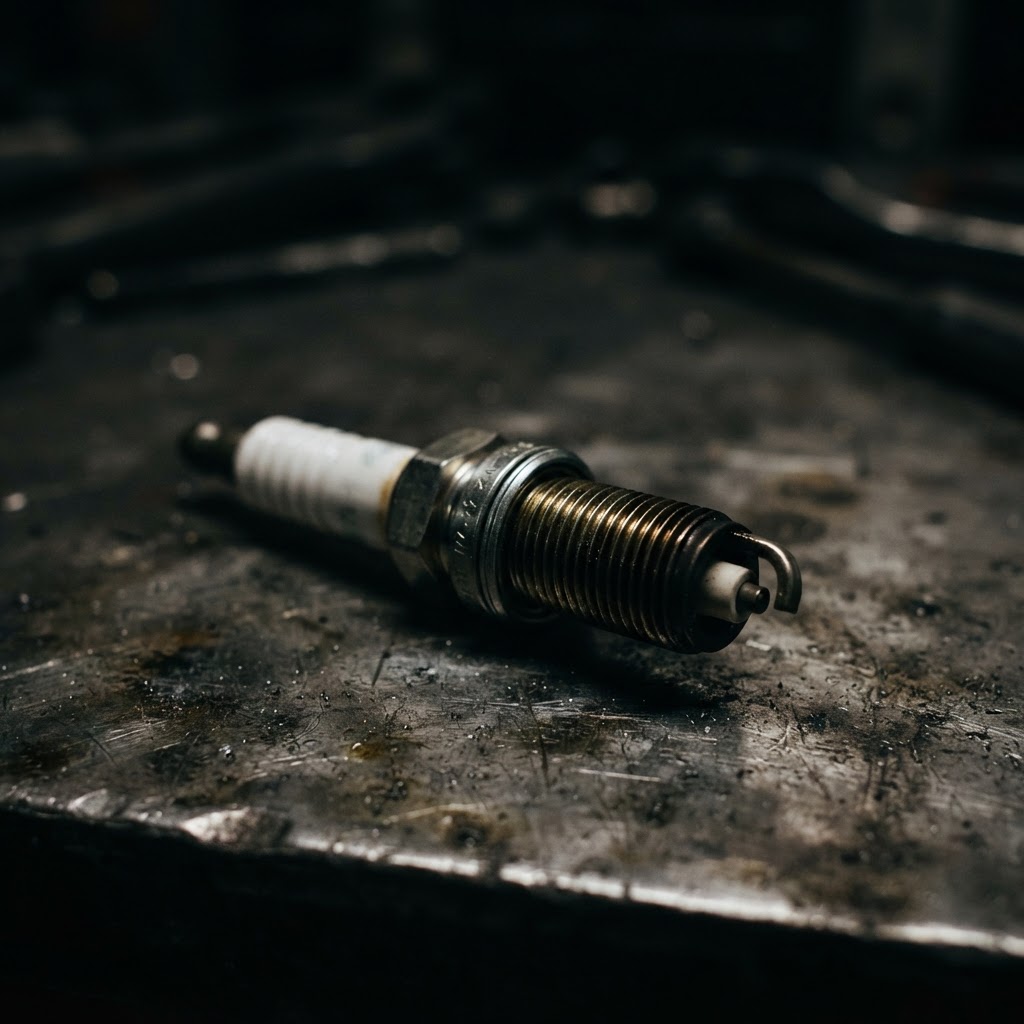
Replacement Spark Plug
If your spark test confirms a weak or nonexistent spark, replacing the fouled or dead plug is the most direct way to restore the ignition circuit.
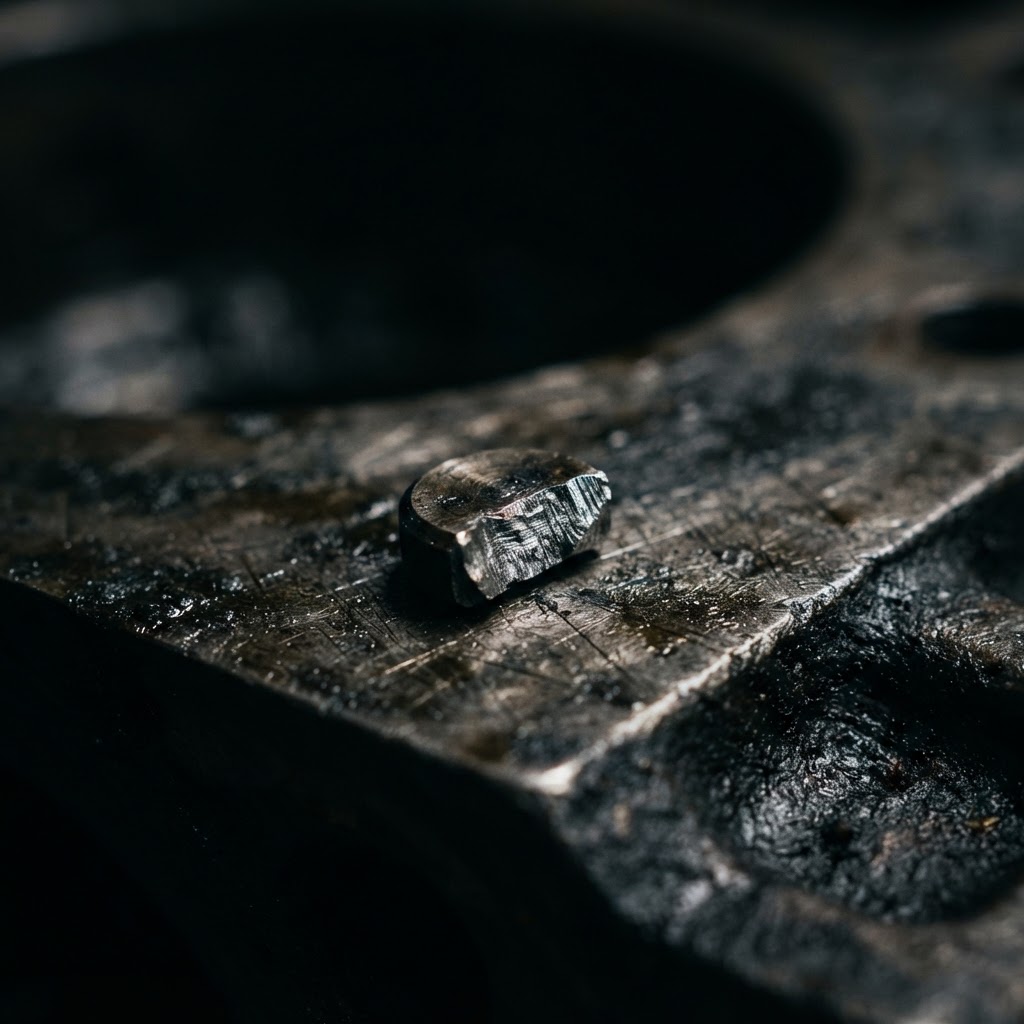
Flywheel Key
A sheared flywheel key prevents the ignition from firing at the correct time; replacing it is the specific fix required if your inspection reveals a timing discrepancy.
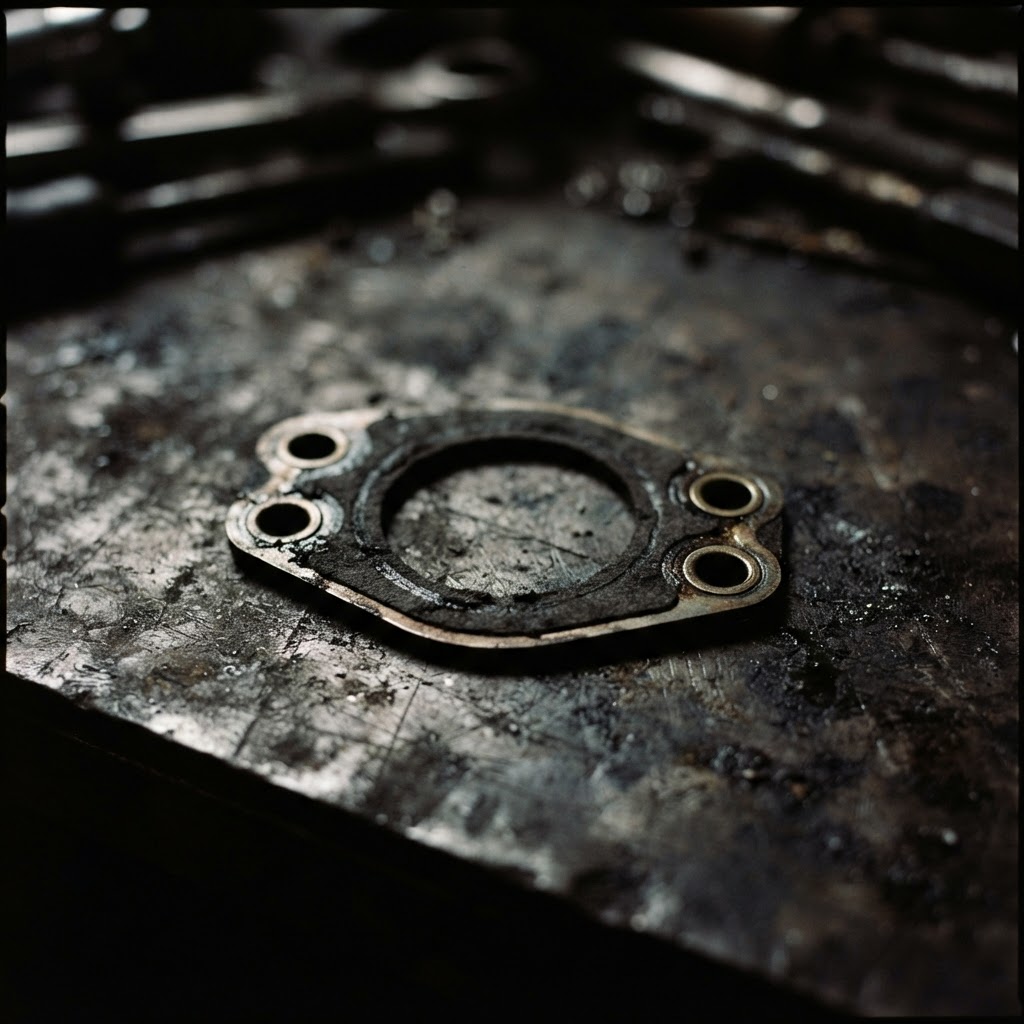
Carburetor Mounting Gasket
Installing a fresh gasket is critical to eliminating the vacuum leak between the carburetor and engine block, which is a common cause for a mower that cranks but fails to start.
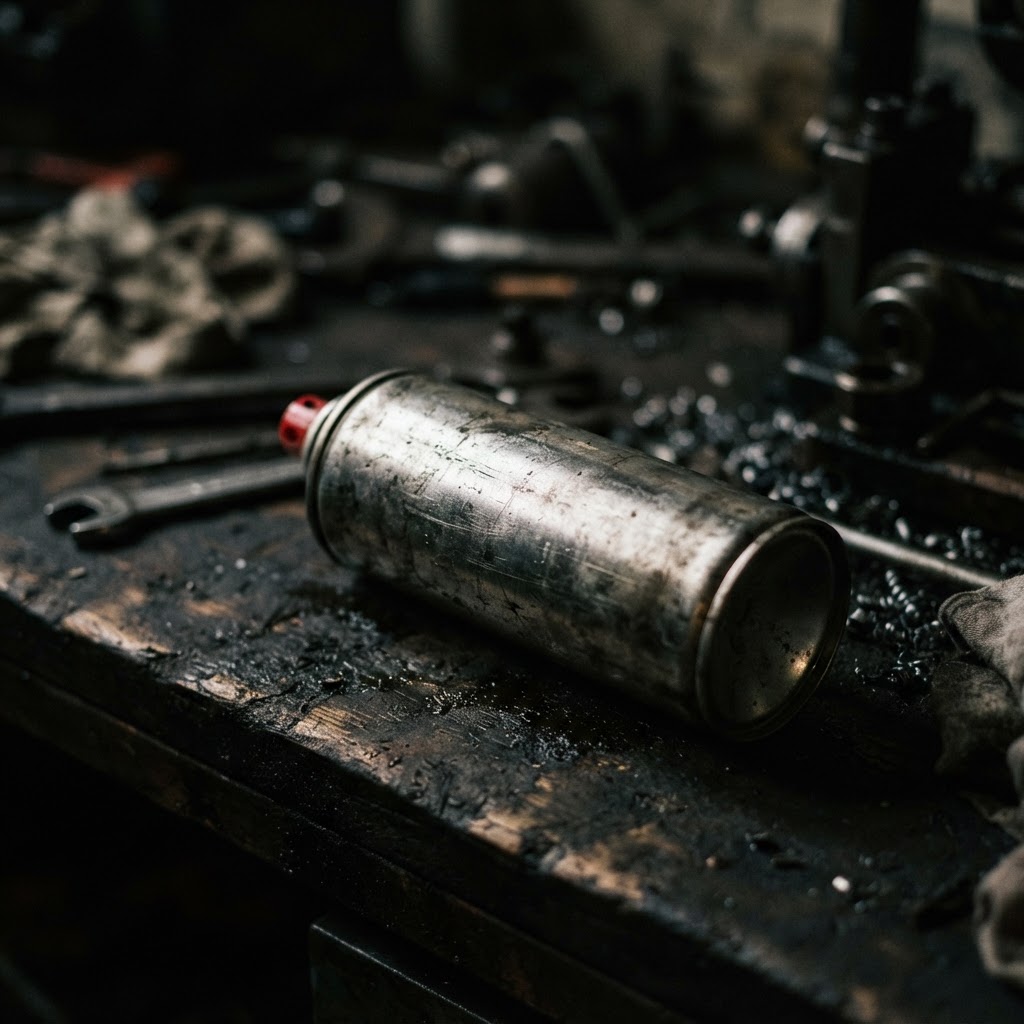
Starting Fluid
This aerosol consumable is required to perform the diagnostic test that determines if the engine's inability to start is strictly related to fuel delivery rather than internal mechanical failure.
Affiliate Disclosure: Lil Engine may earn commissions from qualifying purchases.
Pro Tips from the Community
Real-world fixes from Reddit, YouTube & forums.
"If the mower starts but only runs with the choke partially on, your main jet is partially clogged and the engine is running 'lean'. A thorough carb cleaning is mandatory."
Reddit r/lawnmowers"The 'ReadyStart' auto-choke linkage on newer Craftsman/Briggs engines often gets dirty and binds. A quick spray of WD-40 on the pivot points can sometimes fix a no-start instantly."
YouTube comments"Always check for water in the gas bowl. Water is heavier than gas and sits at the bottom, right where the main jet picks up fuel, preventing combustion."
LawnSite.com ForumPrevent This From Coming Back
Use a high-quality fuel stabilizer in every gas can to prevent ethanol phase separation
Replace the spark plug and air filter annually at the start of the mowing season
Drain the carburetor float bowl by closing the fuel valve before winter storage
Change the engine oil after every 25-50 hours of use to reduce internal wear
Inspect the blade for damage to prevent the vibration that leads to flywheel key shearing
Prevent This From Happening Again
While you're fixing it, stock up on the maintenance essentials that keep your push mowers running right.
Spark Plug
A fresh spark plug ensures easy starting all season. Replace yearly.
Get on AmazonAir Filter
A clean air filter prevents rich running and hard starts.
Get on AmazonSmall Engine Oil
Fresh 30W oil keeps the engine running cool and clean.
Get on AmazonAffiliate Disclosure: Lil Engine may earn commissions from qualifying purchases.
Frequently Asked Questions
No, gasoline degrades significantly after three months, leading to gumming in the carburetor. Always use fresh fuel to ensure consistent starting.
Video Help
Helpful videos showing these repairs in action.
Share Your Repair
Real-world fixes help everyone. Share what worked and your repair becomes part of Lil Engine's community database.
Related Problems
More Push Mowers GuidesRelated Maintenance Articles
Related Symptoms
Won’t Start
Carburetor / Fuel Issues
Related Searches
Craftsman push mower Guides
Did this help?
Your feedback helps improve guides for everyone.