Craftsman Riding Mower Starts Then Stalls — Fuel & Intake System Diagnosis
⚡ Quick Answer
A Craftsman mower that starts then stalls is usually suffering from fuel starvation or a failing anti-afterfire solenoid. First, loosen the gas cap to rule out a clogged vent, then verify that the solenoid at the bottom of the carburetor bowl clicks when the key is turned to 'Run'. If these are fine, the most likely culprit is a gummed main jet or a vacuum leak at the plastic intake manifold, common on Briggs & Stratton Intek engines.
What do you want to do?
Most Likely Cause
Fuel Shut-off Solenoid Failure
Located at the bottom of the carburetor float bowl, this electromagnetic plunger blocks fuel when the key is off. If it doesn't click when the key is turned to 'Run', the engine will start on the prime but stall instantly once the bowl runs dry.
Start here — this is the most common reason for this symptom.
Why This Problem Happens
When a Craftsman mower starts but quickly stalls, the combustion cycle is being interrupted by a failure to maintain the specific air-fuel ratio required for load. Typically, the engine starts on the initial prime or the fuel sitting in the carburetor bowl but cuts out as soon as that limited supply is exhausted or the main jet flow is restricted. This creates a starvation condition where the vacuum pulse from the piston cannot draw sufficient fuel through the restricted needle seat or clogged internal passage. In many Craftsman platforms, particularly those using Briggs & Stratton or Kohler single-cylinder engines, this is compounded by the fuel shut-off solenoid at the base of the carburetor bowl. If the solenoid fails to retract fully due to a weak battery, faulty ignition switch, or loose ground, it physically blocks the main jet from pulling fuel, causing an immediate stall after the prime is consumed. Beyond fuel delivery, an intake leak at the carburetor-to-cylinder-head flange can lean out the mixture beyond the point of ignition capability as the governor attempts to open the throttle to compensate for load, resulting in a stall.
Common Symptoms
- Engine starts briefly then dies after 5-10 seconds
- Stalling occurs immediately when the PTO is engaged
- Engine runs only with the choke partially closed
- Audible 'lean sneeze' or popping sound through the air intake
- Visible residue or sediment in the clear inline fuel filter
Before You Buy Parts
Quick, free inspections — check these first. Most repairs don't actually need replacement parts.
Complete Resource Guide
Complete Riding Mowers Troubleshooting Guide
Brand Resource Hub
Craftsman Small Engine Repair & Maintenance Guide
Repair Overview
45–90 minutes
$15–$50
First Checks — Start Here
- 1Loosen gas cap while engine is stalling to check for tank vacuum
- 2Verify 12V at the fuel solenoid wire with the key in the 'Run' position
- 3Listen for an audible 'click' from the carburetor solenoid when cycling the key
- 4Inspect fuel filter for dark discoloration or water droplets
- 5Check the plastic intake manifold for cracks or loose mounting bolts
- 6Check fuel lines for soft spots or kinks that restrict flow under vacuum
Safety Warnings
- !Remove the spark plug wire to prevent accidental engine rotation during electrical testing.
- !Ensure you are working in a well-ventilated area away from hot engine components to prevent fire hazards.
- !Do not operate the mower for long periods with a loose gas cap to avoid fuel spilling.
- !Use extreme caution with starting fluid near a hot muffler.
- !Wear safety glasses; carburetor cleaner is highly pressurized and caustic to eyes.
- !Always disconnect the battery negative terminal before probing ignition switch wiring.
- !Replacing the fuel pump when the issue is actually a clogged gas cap vent.
- !Adjusting the governor springs to compensate for a fuel delivery issue, leading to engine over-revving.
- !Using generic fuel line that collapses under engine heat and vacuum.
- !Ignoring the fuel shut-off solenoid and assuming the carburetor is clogged.
- !Applying too much sealant on carburetor gaskets which can clog internal intake ports.
Always disconnect the spark plug, work in a well-ventilated area, and consult a professional if unsure.
Most Likely Causes
Ranked by likelihood — tap each to see diagnosis details.
Located at the bottom of the carburetor float bowl, this electromagnetic plunger blocks fuel when the key is off. If it doesn't click when the key is turned to 'Run', the engine will start on the prime but stall instantly once the bowl runs dry.
Sediment or ethanol-related varnish builds up in the high-speed jet orifice. While the engine may idle on low-speed circuits, it cannot pull sufficient fuel through the main jet to maintain running speed.
🔧 Step-by-Step Fix Guide
Test the Fuel Shut-off Solenoid
Disconnect the single wire leading to the base of the carburetor and use a multimeter to verify 12V DC with the key in the ON position. If voltage is present, check for an audible click; if no click is heard, the solenoid plunger is seized and must be replaced.
Remove the spark plug wire to prevent accidental engine rotation during electrical testing.
Verify Fuel Flow via Gravity
Disconnect the fuel line from the carburetor inlet and drain into a glass container. If the flow is not a steady, robust stream, check the fuel filter and the tank outlet for debris or blockages.
Ensure you are working in a well-ventilated area away from hot engine components to prevent fire hazards.
Check the Gas Cap Vent
The next time the mower stalls, immediately loosen the gas cap and try to restart. If it runs normally with the cap loose, the cap vent is plugged and needs to be replaced or cleaned.
Do not operate the mower for long periods with a loose gas cap to avoid fuel spilling.
Inspect Intake Gaskets
Use a spray bottle with soapy water or a light touch of starting fluid around the carburetor mounting flange while the engine is running. If the idle fluctuates or the sound changes, you have identified a vacuum leak that needs a new gasket.
Use extreme caution with starting fluid near a hot muffler.
Clean the Carburetor Float Bowl
Remove the bowl nut and clean the internal passages with aerosol carburetor cleaner and compressed air. Ensure the main jet orifice in the center of the bowl is completely clear of varnish.
Wear safety glasses; carburetor cleaner is highly pressurized and caustic to eyes.
Check Ignition Switch Ground
On many Craftsman models, the ignition switch controls the fuel solenoid ground circuit. If the switch internal contacts are corroded, the solenoid may lose power sporadically, causing a stall.
Always disconnect the battery negative terminal before probing ignition switch wiring.
What To Test Next
If the fittings are dry, the next thing to inspect is the pump seal or gasket surface for weepage, then pressure-test the suspect circuit.
Component Reference

Carburetor & Fuel Intake
The carburetor mixes air and fuel for combustion. A clogged jet or stuck float is the #1 cause of small engine starting and surging problems.

Spark Plug & Ignition System
The spark plug ignites the air-fuel mixture. A fouled plug, wrong gap, or failing ignition coil will prevent the engine from firing.

Air Filter & Intake
A clogged air filter starves the engine of air, causing rich running, power loss, and hard starting. Inspect and clean or replace it each season.

Fuel System
Stale fuel is the most common cause of seasonal starting failures. Fuel breaks down in 30 days, leaving varnish that clogs carburetor jets and fuel filters.
Photos for educational reference. Actual parts may vary by make and model.
Common Mistakes to Avoid
Replacing the fuel pump when the issue is actually a clogged gas cap vent.
Adjusting the governor springs to compensate for a fuel delivery issue, leading to engine over-revving.
Using generic fuel line that collapses under engine heat and vacuum.
Ignoring the fuel shut-off solenoid and assuming the carburetor is clogged.
Applying too much sealant on carburetor gaskets which can clog internal intake ports.
If This Didn't Fix It
Still having trouble? These are the next things to check:
Get the Exact Parts for Your Machine
Tell us your equipment's year, make, and model — we'll search for parts that actually fit, not generic ones.
Finding parts for
craftsman riding mower stalling
Required Gear
Matched to your craftsman riding mower stalling — click to find the exact fit on Amazon.
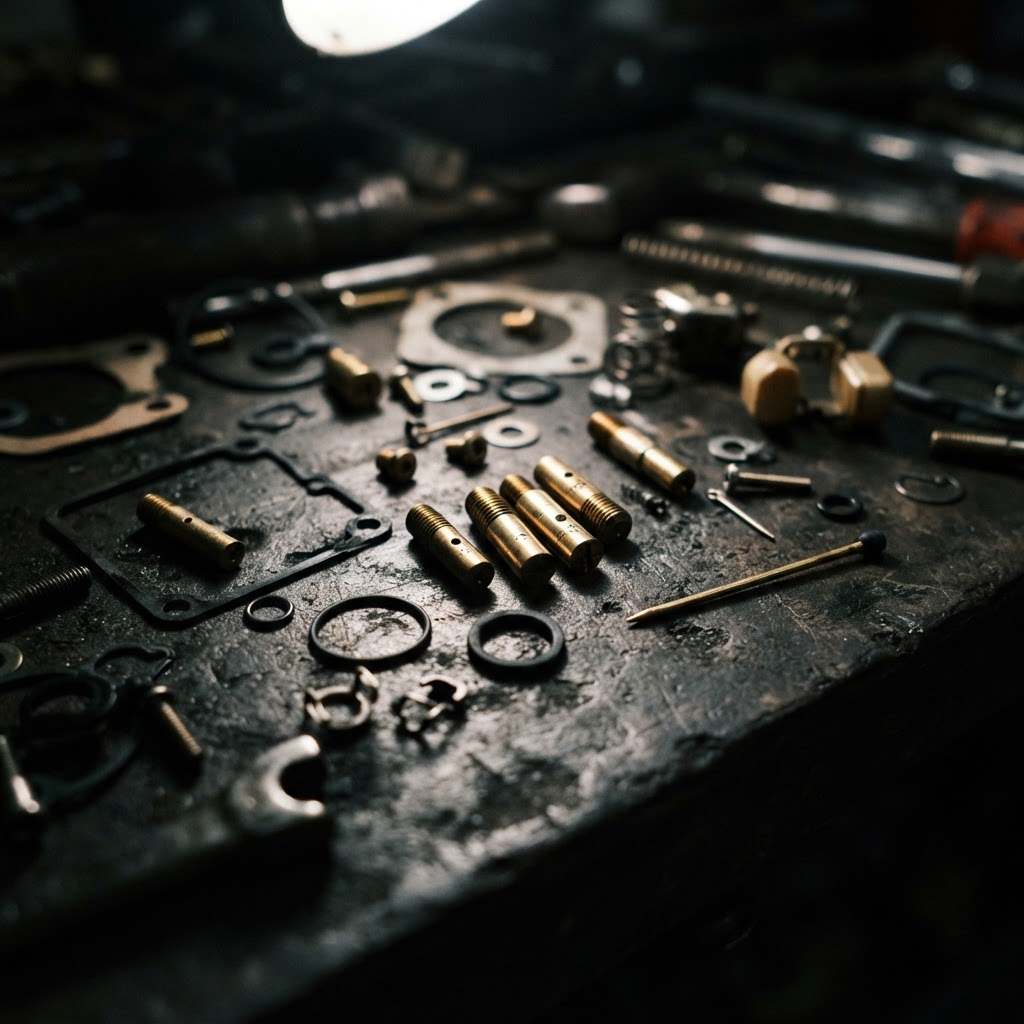
Carburetor Rebuild Kit
Contains new gaskets, seals, and a main jet required to resolve stalling issues caused by internal carburetor blockages or damaged components.
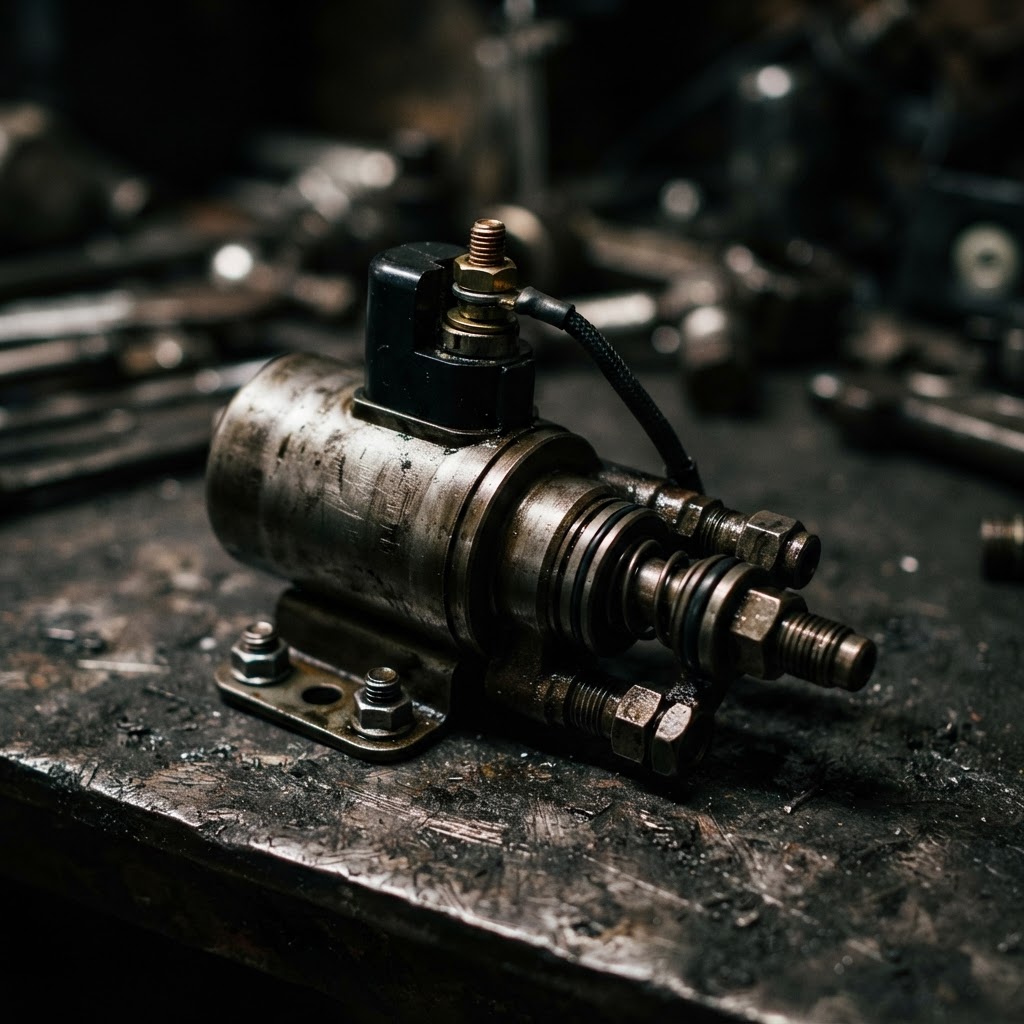
Fuel Shut-off Solenoid
If the existing solenoid fails to retract due to electrical or mechanical issues, this replacement ensures fuel flow is maintained to the carburetor during operation.
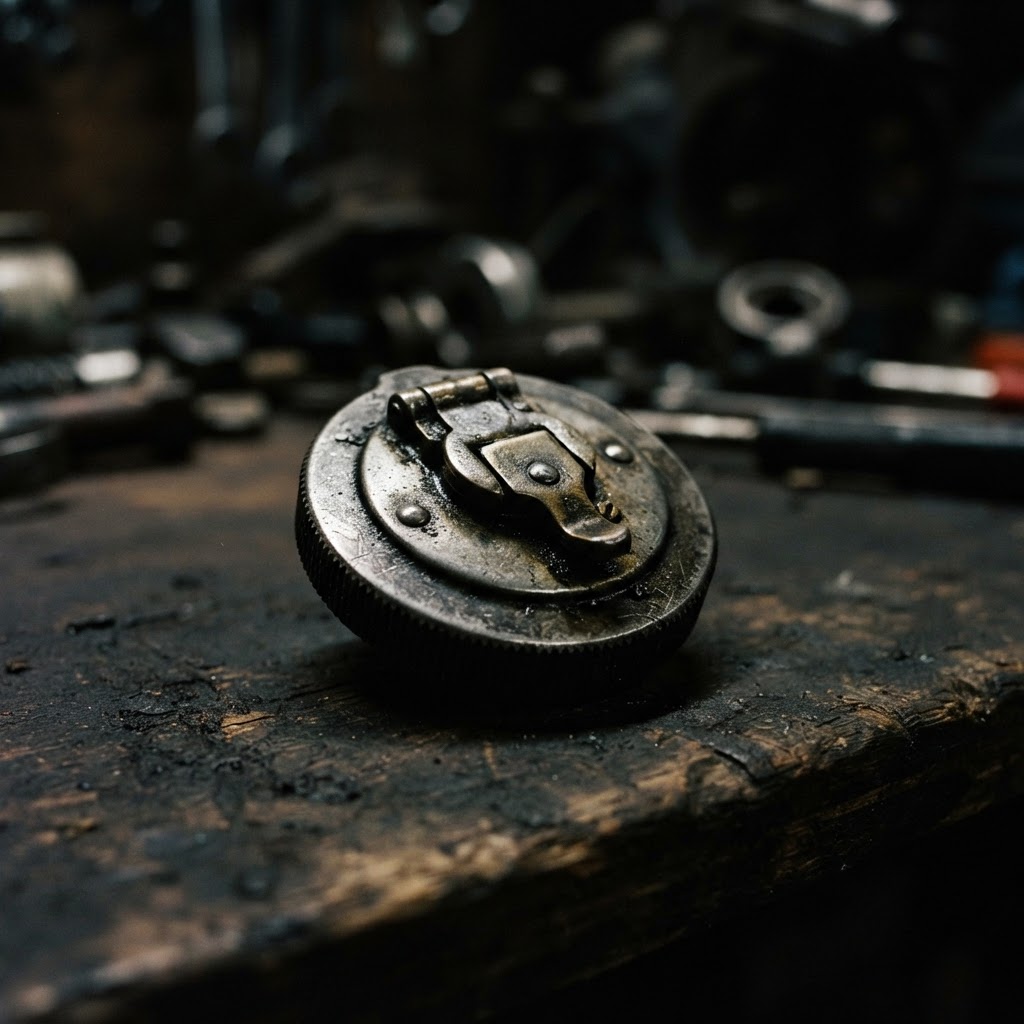
Fuel Tank Cap
A faulty gas cap with a clogged vent creates a vacuum in the tank, causing the engine to starve for fuel and stall; this replaces a compromised ventilation system.
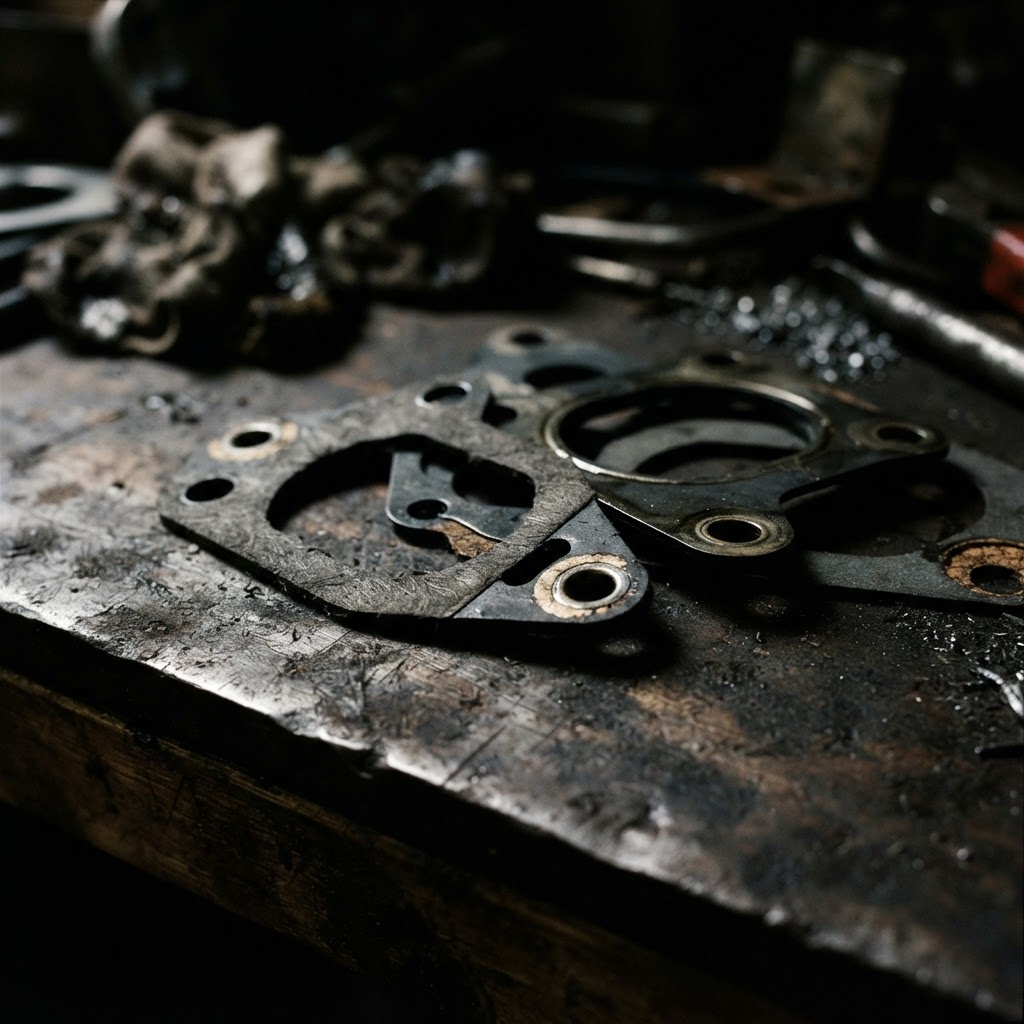
Carburetor Mounting Gaskets
These are essential to replace after an inspection to ensure an airtight seal between the engine and carburetor, preventing air intake leaks that cause erratic idling and stalling.
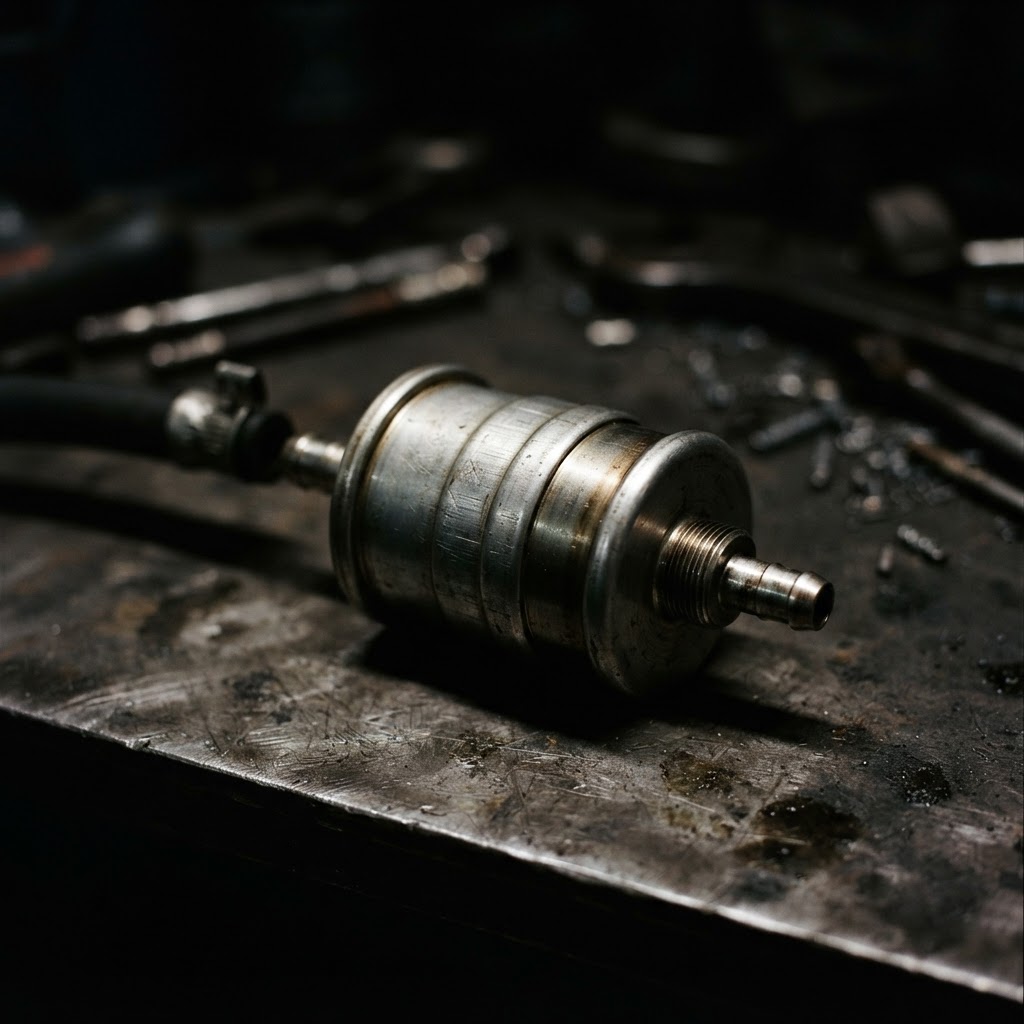
In-Line Fuel Filter
Crucial to replace during this repair to prevent contaminants from re-entering a cleaned carburetor and causing immediate repeat clogging of the main jet.
Affiliate Disclosure: Lil Engine may earn commissions from qualifying purchases.
Pro Tips from the Community
Real-world fixes from Reddit, YouTube & forums.
"The plastic intake manifold on Briggs Intek engines is notorious for warping. If you can't find a fuel issue, spray soapy water on the intake; bubbles or suction will reveal the leak."
Reddit r/lawnmowers"If your mower dies after 15 minutes of cutting, try loosening the gas cap. If it starts right back up, your cap vent is clogged and creating a vacuum lock."
YouTube comments"Check the wire leading to the carb solenoid; it often rubs against the engine shroud and shorts out, cutting fuel intermittently while you're driving."
TractorByNet ForumPrevent This From Coming Back
Always use a fuel stabilizer like Sta-Bil in every gas can to prevent ethanol phase separation.
Replace the fuel filter every season, regardless of hours, to catch debris before it reaches the carburetor.
Clean the cooling fins around the cylinder head to prevent vapor lock caused by engine overheating.
Ensure the gas cap is tight but has a functioning vent check-valve to maintain atmospheric pressure in the tank.
Prevent This From Happening Again
While you're fixing it, stock up on the maintenance essentials that keep your riding mowers running right.
Small Engine Oil
Change oil every 50 hours or once per season to prevent engine wear.
Get on AmazonAir Filter
A clogged air filter reduces power and fuel efficiency — replace annually.
Get on AmazonFuel Stabilizer
Keeps fuel fresh during storage, preventing carburetor gumming.
Get on AmazonAffiliate Disclosure: Lil Engine may earn commissions from qualifying purchases.
Frequently Asked Questions
This indicates a lean condition where the engine needs a restricted air supply to compensate for insufficient fuel flow. It almost always points to a clogged carburetor main jet or a vacuum leak.
Video Help
Helpful videos showing these repairs in action.
Share Your Repair
Real-world fixes help everyone. Share what worked and your repair becomes part of Lil Engine's community database.
Related Problems
More Riding Mowers GuidesRelated Maintenance Articles
Related Symptoms
Stalling / Dies
Oil or Fuel Leak
Carburetor / Fuel Issues
Related Searches
Craftsman riding mower Guides
Did this help?
Your feedback helps improve guides for everyone.