Honda GX200 Engine Runs Then Dies
⚡ Quick Answer
A Honda GX200 that starts and then dies is almost always due to a fuel supply issue or a clogged air filter. The most likely culprit is a dirty carburetor preventing steady fuel flow or old, stale gasoline.
What do you want to do?
Most Likely Cause
Restricted Fuel Tank Vent
If the fuel cap vent is clogged, a vacuum forms in the tank, preventing gravity from pushing fuel into the carburetor. Loosen the fuel cap while the engine is running; if it stays running, your cap vent is restricted.
Start here — this is the most common reason for this symptom.
Why This Problem Happens
When a Honda GX200 runs briefly before dying, it is typically a failure of the fuel delivery system to keep pace with combustion demands. The GX200 utilizes a gravity-fed carburetor system; if fuel flow is restricted, the float bowl fills during idle or rest but drains faster than the inlet needle can replenish it under load. This causes the engine to starve for fuel, lean out, and stall abruptly once the bowl is empty. Alternatively, this cycle can be triggered by a thermal failure in the ignition coil. As the coil windings heat up, a microscopic break in the internal wire expands, creating an open circuit that kills the spark. As the coil cools, the circuit restores, allowing the engine to restart until the cycle repeats. Vacuum leaks at the insulator or gasket interfaces can also cause a run-then-die condition; when the engine reaches operating temperature, the intake manifold materials expand, worsening a small air leak, which shifts the air-fuel ratio beyond the point of ignition.
Common Symptoms
- Engine starts easily when cold
- Stalls abruptly after 2-5 minutes of operation
- Surging or hunting idle prior to death
- Spark plug appears bone dry after stall
- Engine runs longer at idle than under load
Before You Buy Parts
Quick, free inspections — check these first. Most repairs don't actually need replacement parts.
Complete Resource Guide
Complete Small Engines Troubleshooting Guide
Brand Resource Hub
The Ultimate Honda Small Engine Repair & Service Hub
Repair Overview
1–2 hours
$10–$50
First Checks — Start Here
- 1Check that the fuel valve is in the full ON position
- 2Verify the fuel tank has fresh, non-ethanol gasoline
- 3Check the engine oil level to ensure the sensor isn't triggering
- 4Inspect the air filter for heavy dirt or debris buildup
- 5Ensure the gas cap vent is not clogged
Safety Warnings
- !Keep hands clear of the flywheel and recoil starter to avoid injury.
- !Drain fuel into an approved container; do not work near open flames.
- !Fuel is highly flammable; ensure the work area is well-ventilated.
- !Wear safety glasses, as solvent can splash back from the intake.
- !Ensure the spark plug is removed during this procedure to prevent accidental starts.
- !Only perform this for testing; do not run the engine long-term without an active oil sensor.
- !Replacing the carburetor without cleaning the fuel tank first
- !Using steel wire instead of soft copper to clean jets, which bores out the nozzle
- !Ignoring the fuel cap vent as a potential cause
Always disconnect the spark plug, work in a well-ventilated area, and consult a professional if unsure.
Most Likely Causes
Ranked by likelihood — tap each to see diagnosis details.
If the fuel cap vent is clogged, a vacuum forms in the tank, preventing gravity from pushing fuel into the carburetor. Loosen the fuel cap while the engine is running; if it stays running, your cap vent is restricted.
Varnish or debris in the main jet limits high-speed fuel flow, causing the bowl to drain under load. Remove the carburetor float bowl and check the center brass jet for microscopic deposits.
🔧 Step-by-Step Fix Guide
Perform an Inline Spark Test
Attach an inline spark tester to the plug wire and observe it while the engine runs. If the spark stops simultaneously with the stall, the coil or kill wire connection is the culprit.
Keep hands clear of the flywheel and recoil starter to avoid injury.
Clear the Carburetor Main Jet
Remove the 10mm bolt securing the float bowl and clean the main jet using a thin copper wire or carburetor cleaner. Ensure the emulsion tube holes are completely unobstructed.
Drain fuel into an approved container; do not work near open flames.
Check Fuel Flow Rate
Disconnect the fuel line at the carburetor and catch the fuel in a graduated cylinder for one minute. The GX200 should flow a steady, robust stream; a slow trickle indicates a tank or filter blockage.
Fuel is highly flammable; ensure the work area is well-ventilated.
Inspect Intake Insulator Gaskets
Spray a small amount of carburetor cleaner around the intake insulator while the engine is running. If the idle changes, you have a vacuum leak requiring new gaskets.
Wear safety glasses, as solvent can splash back from the intake.
Verify Valve Clearances
Set the engine to Top Dead Center (TDC) on the compression stroke and use feeler gauges to check intake and exhaust lash. Adjust using the rocker arm nuts if they are out of tolerance.
Ensure the spark plug is removed during this procedure to prevent accidental starts.
Test the Low Oil Sensor
The GX200's oil alert system can intermittently ground the ignition if the oil level is borderline or the sensor is failing. Disconnect the yellow wire from the sensor to see if the stalling persists.
Only perform this for testing; do not run the engine long-term without an active oil sensor.
What To Test Next
If fuel flow is steady, the next thing to inspect is the ignition coil when the engine is hot — a failing coil often fails warm and recovers when cool.
Component Reference

Carburetor & Fuel Intake
The carburetor mixes air and fuel for combustion. A clogged jet or stuck float is the #1 cause of small engine starting and surging problems.

Spark Plug & Ignition System
The spark plug ignites the air-fuel mixture. A fouled plug, wrong gap, or failing ignition coil will prevent the engine from firing.

Oil & Lubrication System
Regular oil changes are critical. Low or dirty oil causes engine wear, overheating, and eventual seizure. Check the dipstick before every season.

Air Filter & Intake
A clogged air filter starves the engine of air, causing rich running, power loss, and hard starting. Inspect and clean or replace it each season.
Photos for educational reference. Actual parts may vary by make and model.
Common Mistakes to Avoid
Replacing the carburetor without cleaning the fuel tank first
Using steel wire instead of soft copper to clean jets, which bores out the nozzle
Ignoring the fuel cap vent as a potential cause
Failing to torque the carburetor mounting nuts, causing vacuum leaks
If This Didn't Fix It
Still having trouble? These are the next things to check:
Get the Exact Parts for Your Machine
Tell us your equipment's year, make, and model — we'll search for parts that actually fit, not generic ones.
Finding parts for
Honda GX200 runs then
Required Gear
Matched to your Honda GX200 runs then — click to find the exact fit on Amazon.
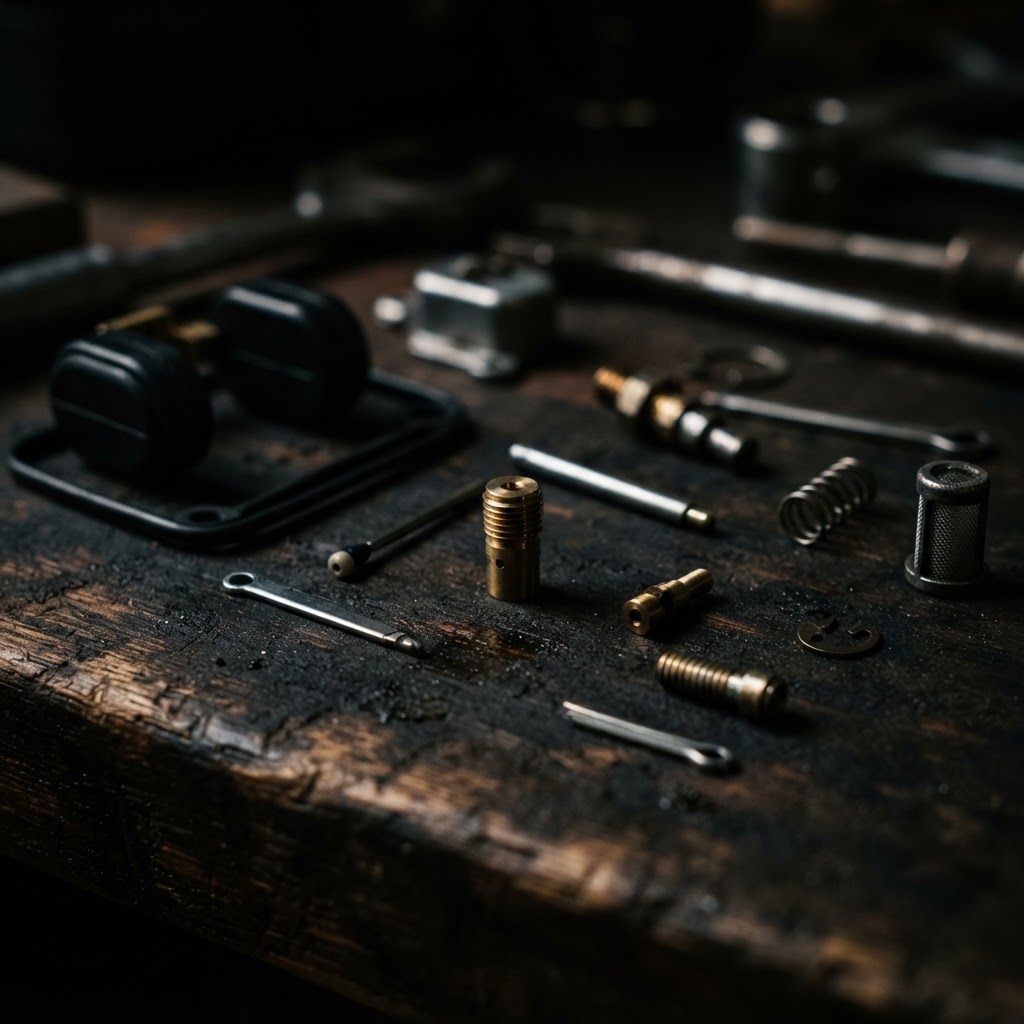
Honda GX200 Carburetor Rebuild Kit
This kit provides the precision-sized main jet, needle, and gaskets necessary to resolve internal fuel flow restrictions caused by varnish or debris buildup.
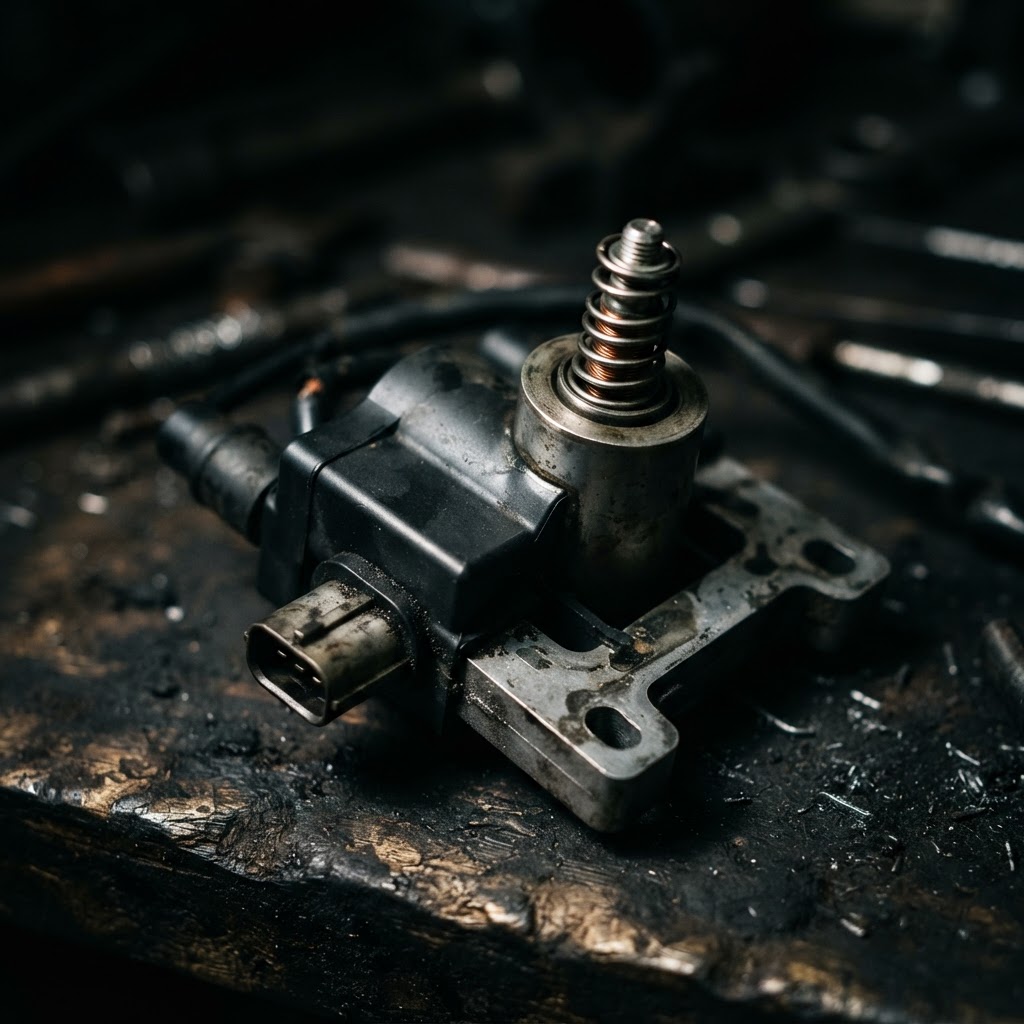
Ignition Coil Assembly
When an engine runs then dies as it warms up, the internal coil windings often expand and break contact, making a direct replacement essential for restoring a consistent spark.
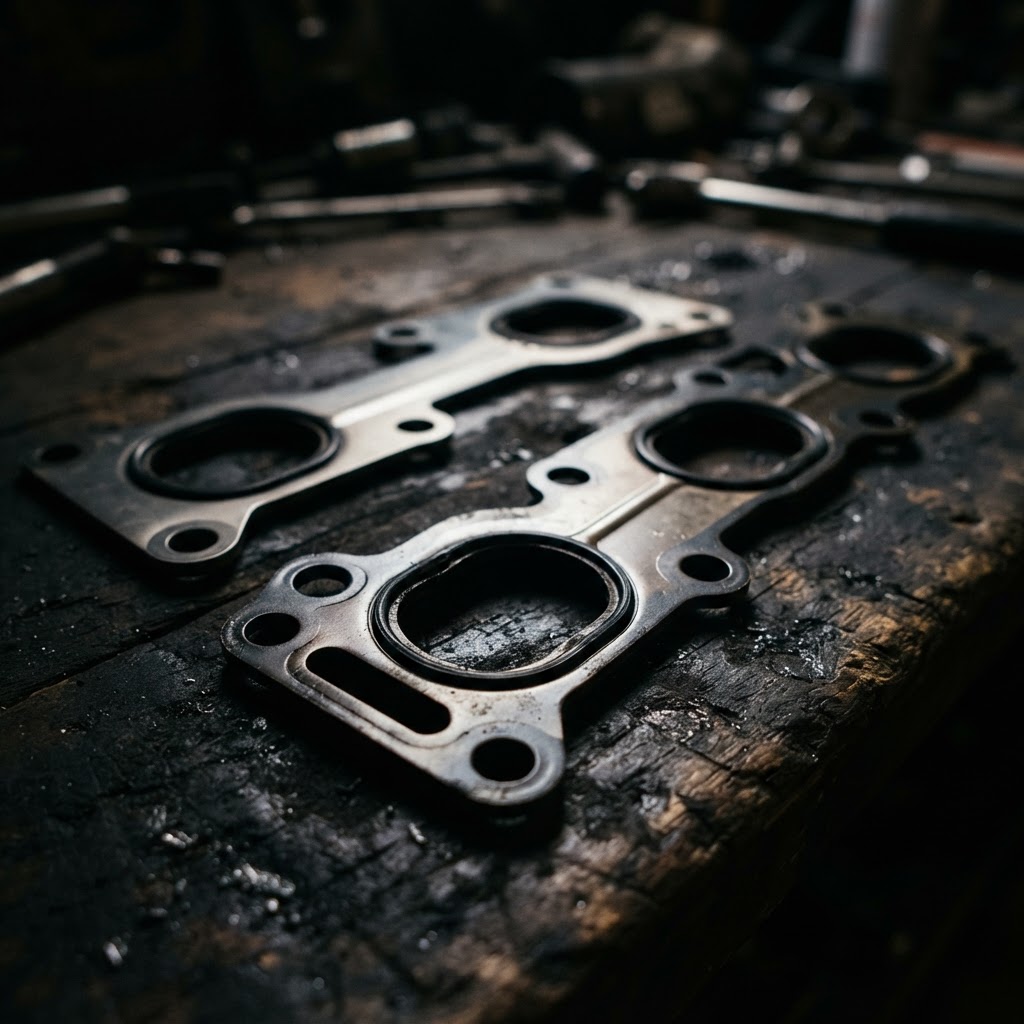
Intake Insulator Gasket Set
These gaskets prevent air leaks between the carburetor and cylinder head, which are critical to maintain the proper fuel-to-air ratio required for consistent engine operation.
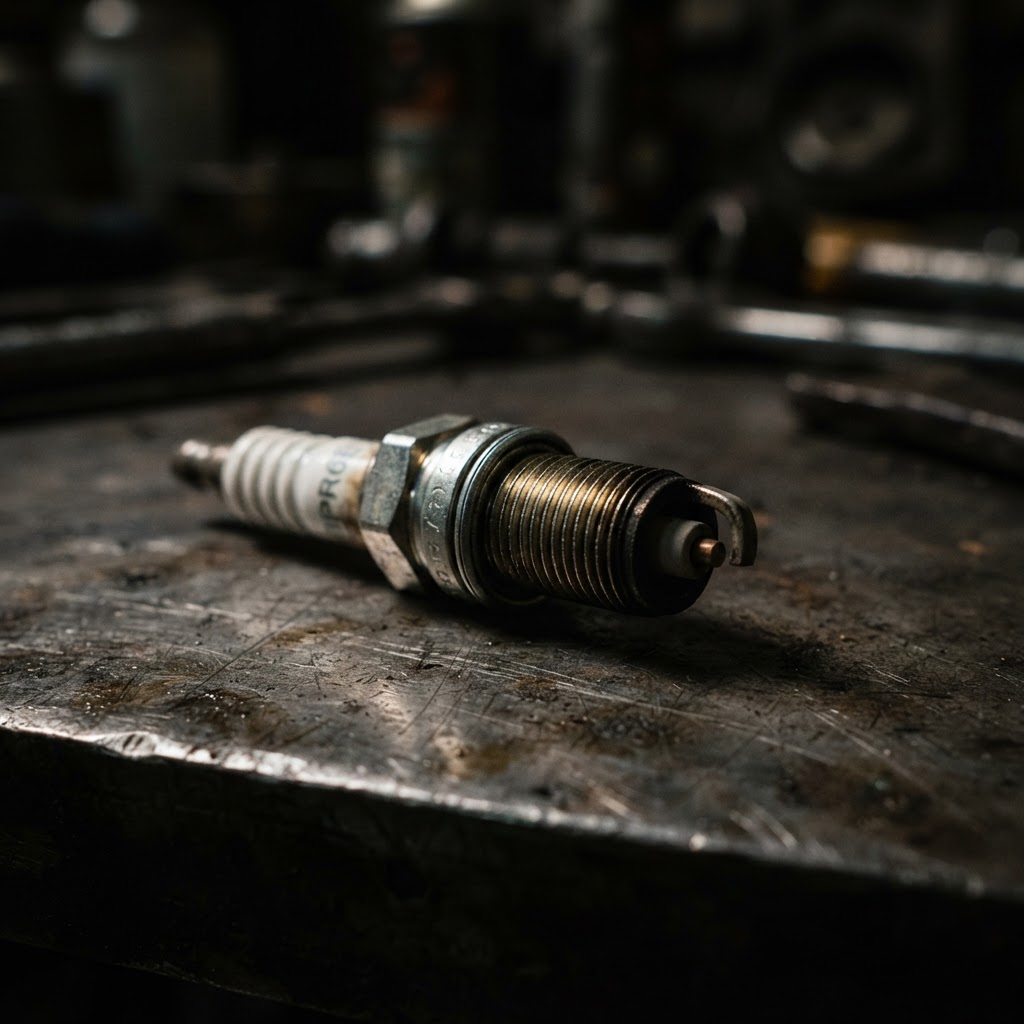
NGK BPR6ES Spark Plug
A fouled or failing spark plug can cause an engine to stall once it reaches operating temperature; a fresh plug ensures reliable combustion during the testing phase.
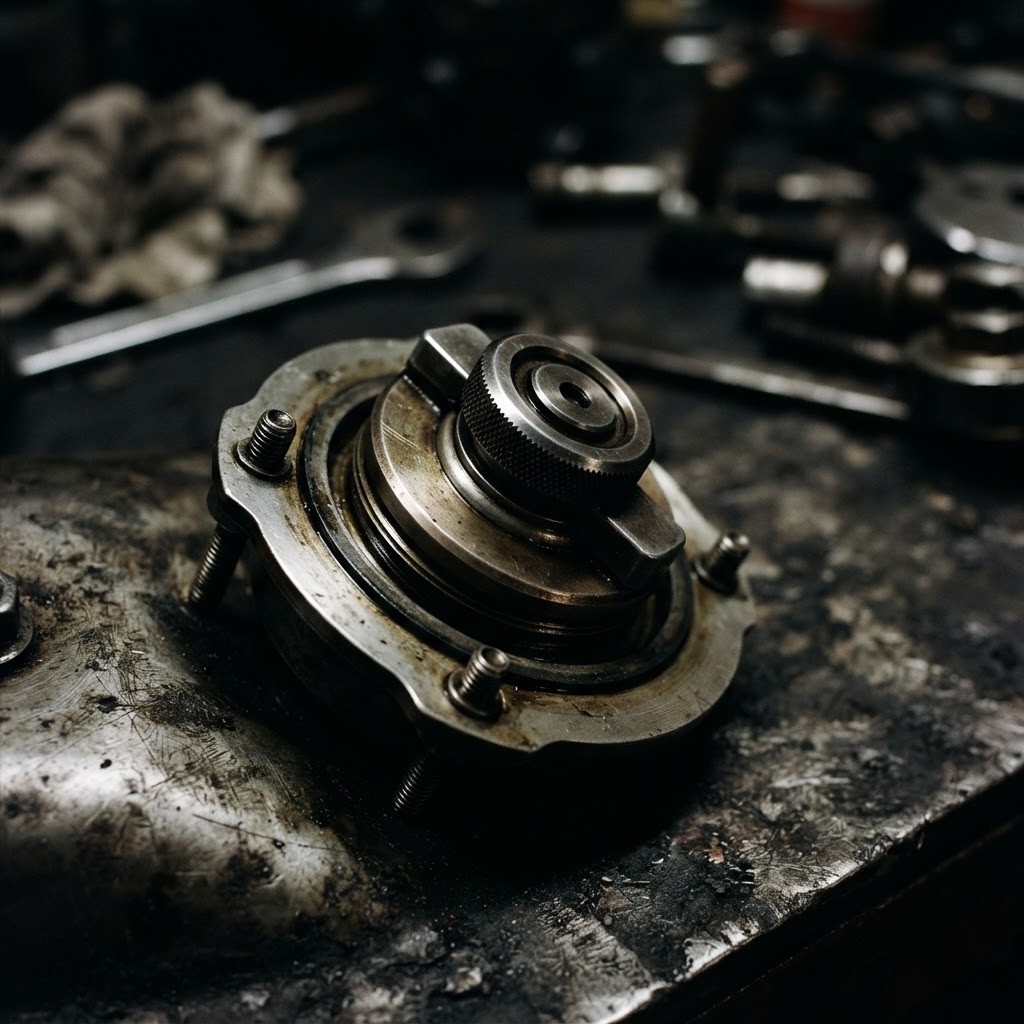
Fuel Tank Cap Assembly
If the original cap's integrated vent is obstructed or faulty, it creates a vacuum that starves the engine of fuel; replacing it ensures consistent tank pressure.
Affiliate Disclosure: Lil Engine may earn commissions from qualifying purchases.
Pro Tips from the Community
Real-world fixes from Reddit, YouTube & forums.
"Check the oil level sensor wire first, as a loose ground will cause the engine to cut out intermittently due to vibration."
Reddit r/smallengines"If it runs for a minute and dies, check the gas cap vent because a vacuum lock in the tank will prevent fuel from reaching the carburetor."
LawnSite.com Forum"Pull the fuel bowl nut and run a thin wire through the jet, because standard carb spray often fails to clear stubborn ethanol varnish."
YouTube comments"Swap the spark plug for a new one even if you have spark, as a plug under heat load can fail internally while appearing to work perfectly on the bench."
TractorByNetPrevent This From Coming Back
Use non-ethanol fuel to prevent varnish buildup in the jets
Install a high-quality inline fuel filter between the tank and carburetor
Replace the spark plug annually to prevent carbon buildup and misfires
Perform a valve lash inspection every 100 hours of operation
Prevent This From Happening Again
While you're fixing it, stock up on the maintenance essentials that keep your small engines running right.
Spark Plug
The cheapest, fastest fix for most small engine starting problems.
Get on AmazonCarburetor Cleaner
Cleaning the carb is the #1 fix for surging and stalling engines.
Get on AmazonFuel Stabilizer
Prevents the stale fuel problems that cause most seasonal no-starts.
Get on AmazonAffiliate Disclosure: Lil Engine may earn commissions from qualifying purchases.
Frequently Asked Questions
No, while they look similar, the GX200 has a larger venturi size. A GX160 carb will cause the engine to run lean and possibly overheat.
Video Help
Helpful videos showing these repairs in action.
Share Your Repair
Real-world fixes help everyone. Share what worked and your repair becomes part of Lil Engine's community database.
Related Problems
More Small Engines GuidesRelated Maintenance Articles
Related Symptoms
Stalling / Dies
Carburetor / Fuel Issues
Related Searches
Honda small engine Guides
Did this help?
Your feedback helps improve guides for everyone.