Push Mower Won't Start
⚡ Quick Answer
Most push mowers fail to start due to old fuel clogging the carburetor or a fouled spark plug. Start by checking your fuel level and freshness, then inspect the spark plug connection to ensure it is clean and properly seated.

What do you want to do?
Most Likely Cause
Stale Fuel and Carburetor Varnish
Ethanol in modern pump gas separates and turns into a sticky varnish within 30 days. This residue clogs the carburetor jet, preventing fuel from entering the combustion chamber.
Start here — this is the most common reason for this symptom.
Why This Problem Happens
A push mower fails to start primarily when the internal combustion triangle—compression, spark, and fuel—is compromised. In modern Briggs & Stratton or Honda small engines, the most frequent point of failure is fuel degradation. Gasoline containing ethanol attracts moisture, which creates a corrosive sludge that obstructs the minuscule passages within the carburetor’s main jet and idle circuit. When these passages are restricted, the engine cannot achieve the necessary air-fuel ratio for ignition, leading to a lean condition that prevents starting.
Common Symptoms
- Engine cranks but refuses to fire
- Pulls feel abnormally easy (lack of compression)
- Strong odor of raw fuel indicating flooding
- Spark plug tip is fouled with black carbon or wet with oil
- Engine starts briefly on starting fluid then dies
Before You Buy Parts
Quick, free inspections — check these first. Most repairs don't actually need replacement parts.
Complete Resource Guide
Complete Push Mowers Troubleshooting Guide
Repair Overview
30-60 minutes
$5-$25
First Checks — Start Here
- 1Check that the fuel tank has fresh, non-ethanol gas
- 2Ensure the safety bail handle is fully engaged
- 3Verify the spark plug wire is pushed firmly onto the plug
- 4Check for any debris blocking the blade or underside
- 5Ensure the air filter is clean and not clogged
Safety Warnings
- !Always ground the spark plug wire away from the plug hole to prevent unintended ignition.
- !Use a fuel-rated catch pan and perform this outdoors away from open flames or hot mufflers.
- !Wear safety glasses; pressurized carburetor cleaner is caustic and dangerous to eyes.
- !Do not attempt to 'file' a sheared key; it must be replaced with an identical OEM part to ensure correct timing.
- !Never run the engine without an air filter as dust ingress will ruin cylinder walls within minutes.
- !Keep hands clear of the blade area while pulling the starter rope.
- !Replacing the spark plug without checking if the coil is actually firing
- !Ignoring fuel quality and assuming a brand new carburetor is needed immediately
- !Failing to torque the blade bolt correctly after inspecting the flywheel key
Always disconnect the spark plug, work in a well-ventilated area, and consult a professional if unsure.
Most Likely Causes
Ranked by likelihood — tap each to see diagnosis details.
Ethanol in modern pump gas separates and turns into a sticky varnish within 30 days. This residue clogs the carburetor jet, preventing fuel from entering the combustion chamber.
Carbon buildup on the electrodes or a cracked porcelain insulator shorts the electrical current. Check for a weak blue spark using a spark tester to ensure the ignition coil is firing correctly.
🔧 Step-by-Step Fix Guide
Perform a Spark Test
Disconnect the spark plug wire and remove the plug using a 5/8-inch plug socket. Attach an inline spark tester between the boot and plug to verify a strong blue jump, indicating the ignition coil is functional.
Always ground the spark plug wire away from the plug hole to prevent unintended ignition.
Check Fuel Flow and Quality
Drain the fuel tank and check for water separation or debris. Disconnect the fuel line from the carburetor inlet to verify a free, steady stream of fresh gasoline flows from the tank.
Use a fuel-rated catch pan and perform this outdoors away from open flames or hot mufflers.
Clean or Replace the Carburetor Jet
Remove the carburetor float bowl to inspect for debris. Use a small wire or compressed air to ensure the tiny hole in the center jet is unobstructed by fuel varnish.
Wear safety glasses; pressurized carburetor cleaner is caustic and dangerous to eyes.
Inspect the Flywheel Key
Remove the top shroud and check for alignment between the flywheel and the crankshaft notch. If the slot is offset by even a few degrees, the key is sheared and must be replaced.
Do not attempt to 'file' a sheared key; it must be replaced with an identical OEM part to ensure correct timing.
Service the Air Filter
Tap paper filters against a hard surface to remove loose debris, or replace them if dark/discolored. If it is a foam filter, wash it in dish soap, dry it, and lightly re-oil with clean 30W engine oil.
Never run the engine without an air filter as dust ingress will ruin cylinder walls within minutes.
Verify Mechanical Compression
Use a compression tester in the spark plug hole and pull the starter cord. A healthy push mower engine should typically read between 60-90 PSI, though this varies by the decompression mechanism design.
Keep hands clear of the blade area while pulling the starter rope.
What To Test Next
If fuel delivery checks out, the next thing to inspect is spark — remove the spark plug, ground its threads to the engine block, and crank the engine to look for a visible blue spark.
Component Reference

Carburetor & Fuel Intake
The carburetor mixes air and fuel for combustion. A clogged jet or stuck float is the #1 cause of small engine starting and surging problems.

Spark Plug & Ignition System
The spark plug ignites the air-fuel mixture. A fouled plug, wrong gap, or failing ignition coil will prevent the engine from firing.

Oil & Lubrication System
Regular oil changes are critical. Low or dirty oil causes engine wear, overheating, and eventual seizure. Check the dipstick before every season.

Air Filter & Intake
A clogged air filter starves the engine of air, causing rich running, power loss, and hard starting. Inspect and clean or replace it each season.
Photos for educational reference. Actual parts may vary by make and model.
Common Mistakes to Avoid
Using starting fluid excessively, which can wash oil off the cylinder walls and cause scoring
Replacing the spark plug without checking if the coil is actually firing
Ignoring fuel quality and assuming a brand new carburetor is needed immediately
Failing to torque the blade bolt correctly after inspecting the flywheel key
If This Didn't Fix It
Still having trouble? These are the next things to check:
Get the Exact Parts for Your Machine
Tell us your equipment's year, make, and model — we'll search for parts that actually fit, not generic ones.
Finding parts for
Push mower
Required Gear
Matched to your Push mower — click to find the exact fit on Amazon.
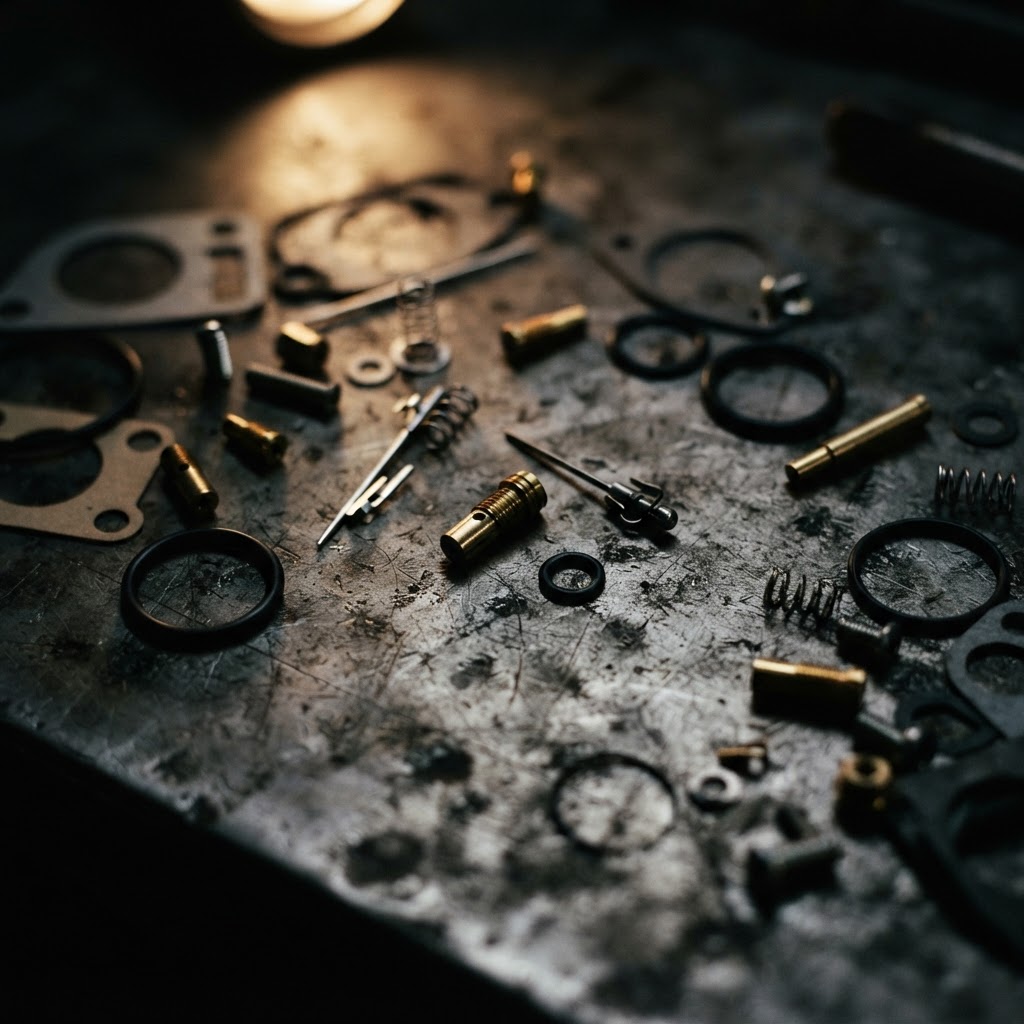
Carburetor Rebuild Kit
Contains new gaskets, needles, and jets to clear out the varnish buildup and restore proper fuel atomization within the carburetor.
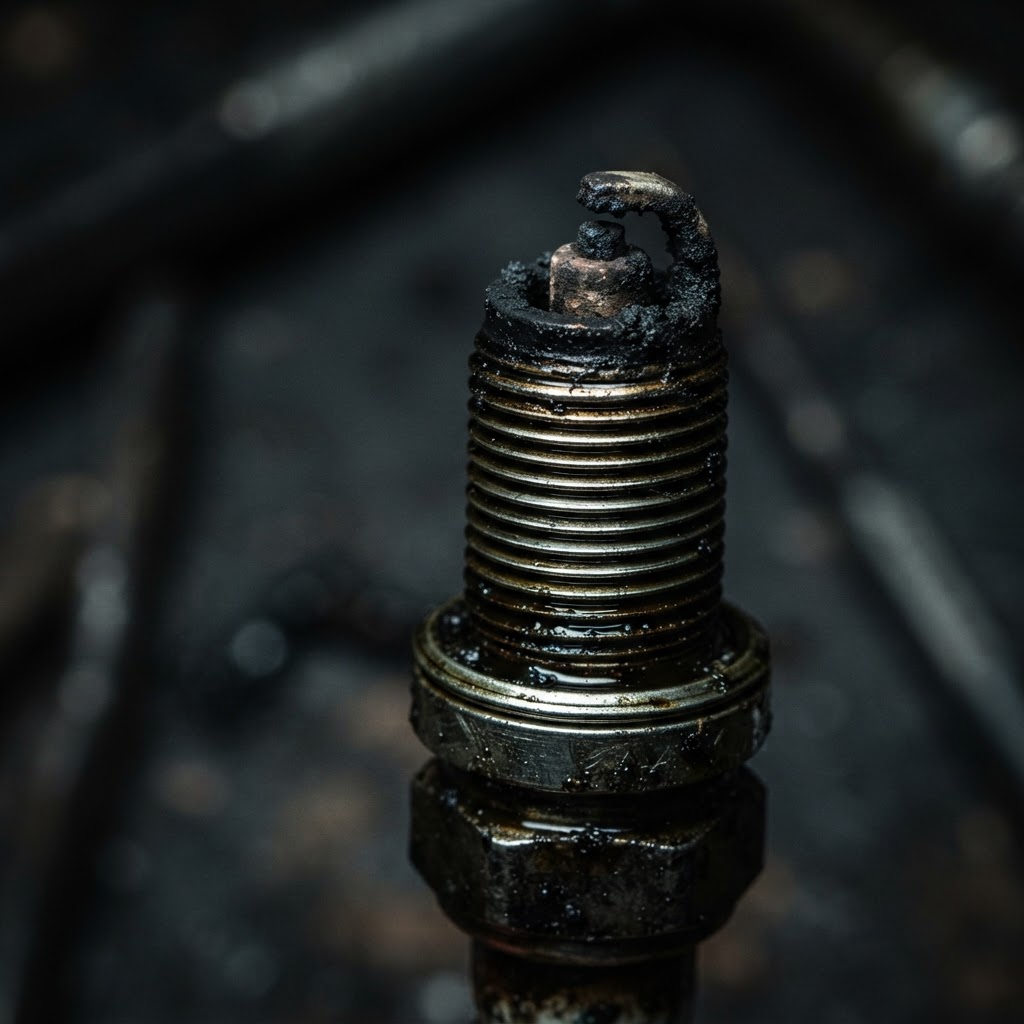
Spark Plug
If the current plug is fouled or tested faulty during the spark test, this component is required to generate the necessary combustion ignition.
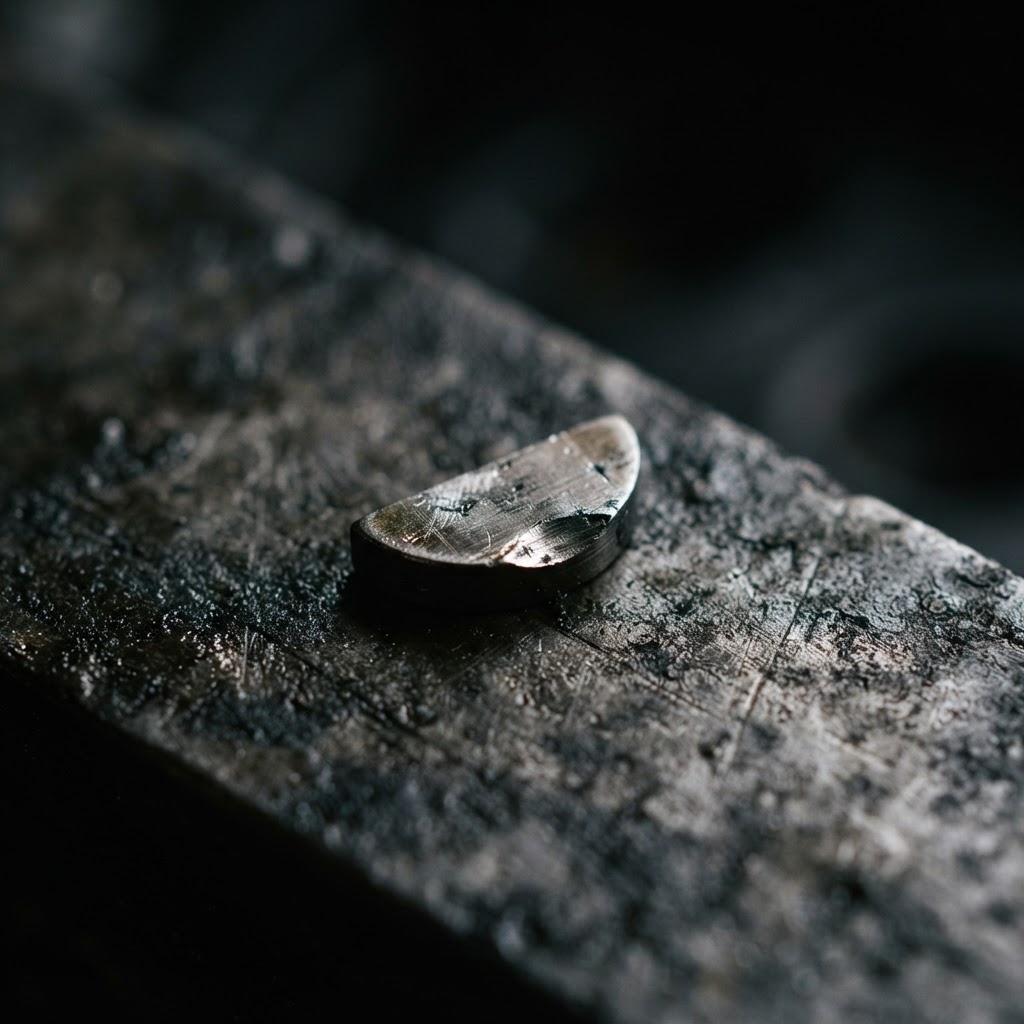
Flywheel Key
If the flywheel key has sheared, replacing it is the only way to re-time the engine ignition and allow the mower to start.
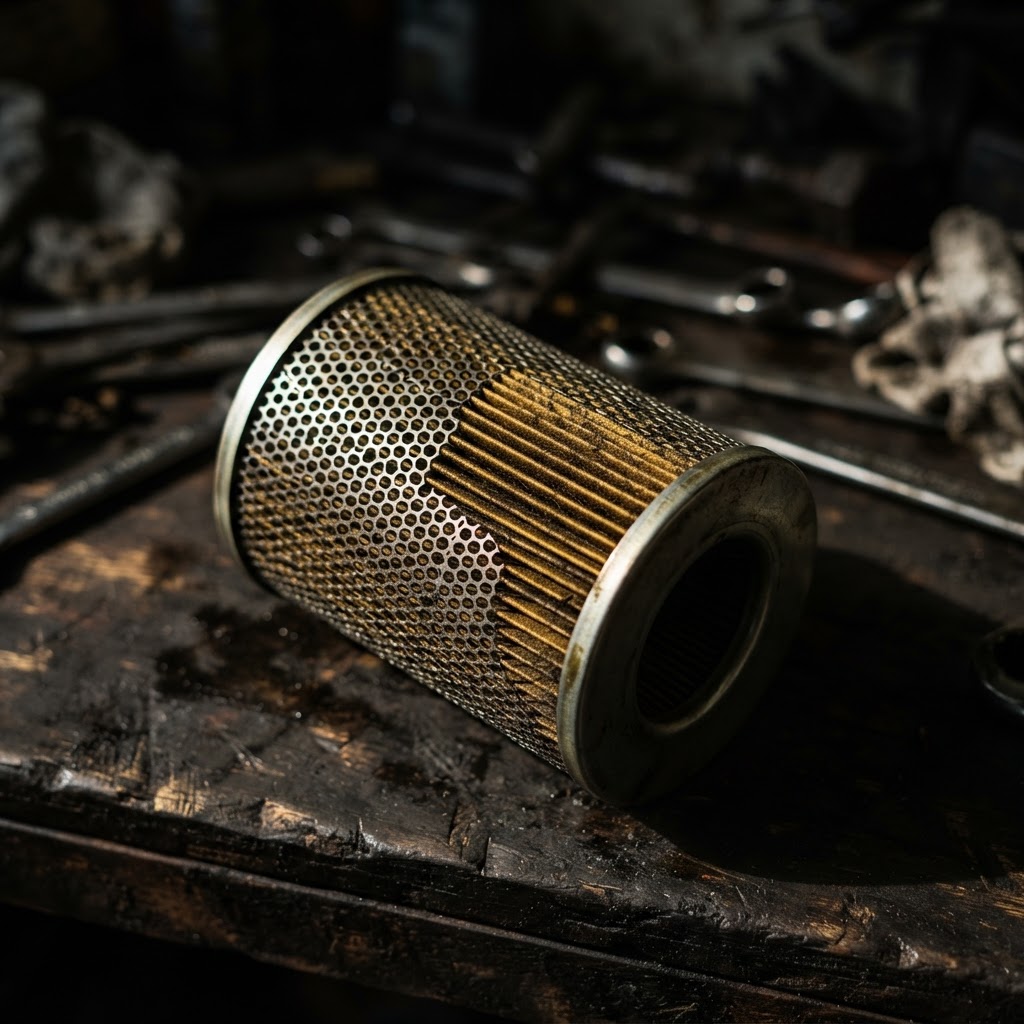
Air Filter Element
A clogged or saturated air filter restricts necessary airflow into the combustion chamber, preventing the engine from drawing in the proper fuel-air mixture.
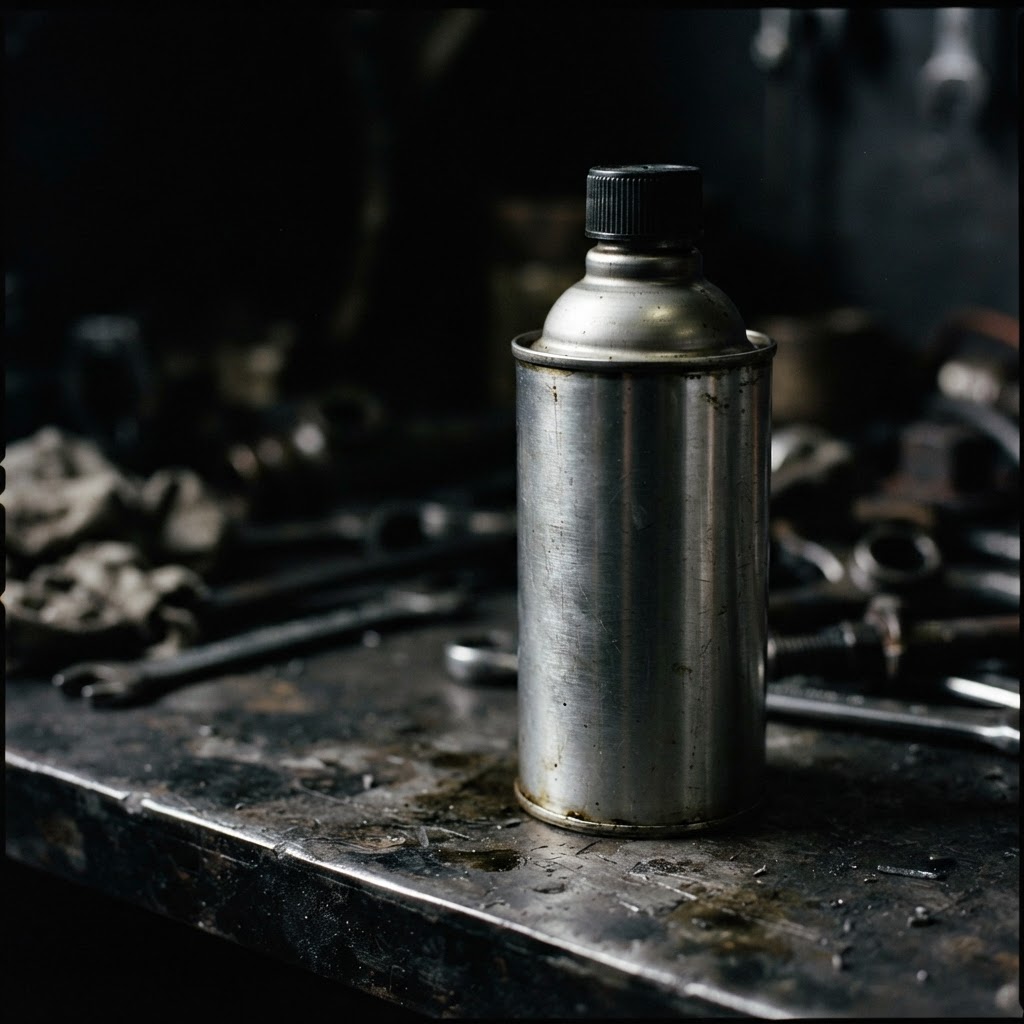
Fuel System Cleaner
This additive helps dissolve residual varnish in the fuel lines and tank if the machine has been sitting with stale fuel.
Affiliate Disclosure: Lil Engine may earn commissions from qualifying purchases.
Pro Tips from the Community
Real-world fixes from Reddit, YouTube & forums.
"Always spray a tiny burst of starter fluid directly into the air intake; if it fires for a second, you know you have a fuel delivery problem rather than a spark issue."
Reddit r/smallengines"Check the flywheel key first if you hit a rock recently; even if the spark looks good, a sheared key throws your ignition timing off just enough to prevent starting."
LawnSite.com Forum"If the engine sits over the winter, the ethanol in today's gas creates a gel inside the carb jet that no amount of shaking will fix; just pull the bowl and clear it with a wire."
YouTube comments"Before replacing expensive parts, pull the spark plug and hold it against the engine block while cranking; if you don't see a bright blue spark, it is an electrical issue, not a fuel one."
DoItYourself.comPrevent This From Coming Back
Always use a fuel stabilizer like Sta-Bil in every gas can
Run the carburetor dry before long-term seasonal storage
Replace the air filter once per mowing season regardless of appearance
Use a torque wrench to tighten the mower blade to prevent shock-loading the crankshaft
Prevent This From Happening Again
While you're fixing it, stock up on the maintenance essentials that keep your push mowers running right.
Spark Plug
A fresh spark plug ensures easy starting all season. Replace yearly.
Get on AmazonAir Filter
A clean air filter prevents rich running and hard starts.
Get on AmazonSmall Engine Oil
Fresh 30W oil keeps the engine running cool and clean.
Get on AmazonAffiliate Disclosure: Lil Engine may earn commissions from qualifying purchases.
Frequently Asked Questions
Occasional use is generally safe, but excessive use removes the protective oil film on cylinder walls, leading to premature wear or 'dry' start damage.
Video Help
Helpful videos showing these repairs in action.
Share Your Repair
Real-world fixes help everyone. Share what worked and your repair becomes part of Lil Engine's community database.
Related Problems
More Push Mowers GuidesRelated Maintenance Articles
Related Symptoms
Won’t Start
Carburetor / Fuel Issues
Related Searches
Push Mowers Troubleshooting
Did this help?
Your feedback helps improve guides for everyone.