Troy-Bilt 13WX78BS011 Starts Then Stalls — Fuel System Diagnosis
⚡ Quick Answer
If your Troy-Bilt 13WX78BS011 (typically powered by a Briggs & Stratton 17.5 HP Intek) fires briefly then dies, the most likely culprit is a sticking fuel shut-off solenoid at the base of the carburetor or a clogged main jet. The engine is successfully igniting the initial 'prime' of fuel but failing to maintain a flow from the carburetor bowl into the combustion chamber. Check for 12V at the solenoid wire and ensure the carburetor's internal plastic emulsion tube isn't obstructed by varnish.
What do you want to do?
Most Likely Cause
Clogged Main Jet or Emulsion Tube
Ethanol-based fuel evaporation leaves crystalline deposits in the main jet, restricting fuel flow. If the engine fires but stalls, the pilot circuit may be functional, but the high-speed main circuit is obstructed.
Start here — this is the most common reason for this symptom.
Why This Problem Happens
The Troy-Bilt 13WX78BS011 typically utilizes a Briggs & Stratton PowerBuilt or Intek series engine, characterized by a fuel system dependent on precise vacuum pulses or gravity feed. When the engine fires initially, it consumes the fuel present in the carburetor bowl or the primer circuit. Once that initial charge is depleted, the fuel delivery system fails to replenish the supply at the rate required to sustain combustion under load. This is a classic 'run-lean' scenario where either a restriction in the fuel line, a stuck float needle, or an air leak at the intake gasket breaks the vacuum necessary for consistent fuel flow. The physics of the stall are dictated by the rapid dilution of the air-fuel ratio; as soon as the carburetor venturi cannot draw fuel, the engine stumbles and ceases rotation due to a lack of chemical energy. Often, this is exacerbated by modern ethanol-blended fuels which leave behind varnish deposits on the internal jets and the emulsion tube, effectively constricting the orifice size required for sustained operation.
Common Symptoms
- Engine starts immediately with full choke but dies within 3-5 seconds
- Surging or erratic RPMs before total engine flameout
- Engine requires persistent re-priming to achieve momentary firing
- Visible fuel seepage or sweating around the carburetor base gasket
- Spark plug appears bone-dry after repeated start attempts
Before You Buy Parts
Quick, free inspections — check these first. Most repairs don't actually need replacement parts.
Complete Resource Guide
Complete Small Engines Troubleshooting Guide
Brand Resource Hub
Troy-Bilt Small Engine Repair & Maintenance Guide
Repair Overview
1–2 hours
$15–$50
First Checks — Start Here
- 1Verify the fuel shut-off solenoid 'clicks' when the ignition key is turned to the ON position.
- 2Check fuel flow by disconnecting the line at the carburetor inlet to ensure a steady stream.
- 3Inspect the fuel filter for debris or water (look for a bubble of water at the bottom of the filter).
- 4Loosen the gas cap slightly while starting to rule out a clogged tank vent causing a vacuum lock.
- 5Ensure the choke plate is fully closing for the start and opening once it fires.
- 6Spray a 1-second burst of carburetor cleaner into the intake; if it runs longer, the issue is fuel delivery.
Safety Warnings
- !Ensure the fuel tank is not overfilled to prevent spills during testing.
- !Work in a well-ventilated area away from any open flames.
- !Wear safety glasses to protect eyes from aerosolized solvent backsplash.
- !Do not overtighten studs, as they are prone to shearing in the aluminum block.
- !Use an OSHA-approved fuel container for hazardous waste disposal.
- !Avoid contact with gasoline as it can cause skin irritation.
- !Using steel wire to clean carburetor jets, which changes fuel flow calibration
- !Ignoring the fuel line filter under the mistaken assumption that it is a 'lifetime' component
Always disconnect the spark plug, work in a well-ventilated area, and consult a professional if unsure.
Most Likely Causes
Ranked by likelihood — tap each to see diagnosis details.
Ethanol-based fuel evaporation leaves crystalline deposits in the main jet, restricting fuel flow. If the engine fires but stalls, the pilot circuit may be functional, but the high-speed main circuit is obstructed.
The needle valve inside the float bowl may be hung in the closed position, preventing the bowl from refilling. Inspect for a dry fuel bowl even after the engine has stalled out.
🔧 Step-by-Step Fix Guide
Perform Vacuum and Tank Vent Test
Loosen the fuel cap while attempting to start the engine to rule out a vacuum lock. If the engine continues to run, the cap vent is obstructed and requires replacement.
Ensure the fuel tank is not overfilled to prevent spills during testing.
Inspect and Clean the Carburetor Float Bowl
Remove the 1/2-inch bolt securing the bowl, taking care not to damage the O-ring seal. Inspect for sediment or water, and use a dedicated carburetor cleaner to flush the bowl and needle seat.
Work in a well-ventilated area away from any open flames.
Clean the Emulsion Tube and Main Jet
Once the bowl is removed, use a thin strand of copper wire to gently clear the holes in the emulsion tube. Do not use steel needles, as these can enlarge the calibrated orifices and cause a permanent rich condition.
Wear safety glasses to protect eyes from aerosolized solvent backsplash.
Check Intake Flange Integrity
Ensure the nuts securing the carburetor to the intake studs are torqued to specification. If they are loose, remove the carburetor, check the gasket for tearing, and apply a light coat of gasket sealant if a new one is unavailable.
Do not overtighten studs, as they are prone to shearing in the aluminum block.
Test Fuel Flow Volume
Disconnect the fuel line at the carburetor and verify that fuel flows in a steady stream into a catch container. If flow is a mere drip, trace back through the fuel filter and tank nipple to identify the blockage.
Use an OSHA-approved fuel container for hazardous waste disposal.
Examine Primer Bulb and Lines
Cracked primer lines are common on this model; if air is leaking into the primer system, the engine will struggle to sustain a prime. Inspect for cracks and replace any hardened or brittle vacuum lines.
Avoid contact with gasoline as it can cause skin irritation.
What To Test Next
If fuel flow is steady, the next thing to inspect is the ignition coil when the engine is hot — a failing coil often fails warm and recovers when cool.
Component Reference

Carburetor & Fuel Intake
The carburetor mixes air and fuel for combustion. A clogged jet or stuck float is the #1 cause of small engine starting and surging problems.

Spark Plug & Ignition System
The spark plug ignites the air-fuel mixture. A fouled plug, wrong gap, or failing ignition coil will prevent the engine from firing.

Air Filter & Intake
A clogged air filter starves the engine of air, causing rich running, power loss, and hard starting. Inspect and clean or replace it each season.

Fuel System
Stale fuel is the most common cause of seasonal starting failures. Fuel breaks down in 30 days, leaving varnish that clogs carburetor jets and fuel filters.
Photos for educational reference. Actual parts may vary by make and model.
Common Mistakes to Avoid
Spraying carb cleaner into the air intake without actually disassembling the bowl
Using steel wire to clean carburetor jets, which changes fuel flow calibration
Ignoring the fuel line filter under the mistaken assumption that it is a 'lifetime' component
Over-tightening carburetor mounting hardware and cracking the plastic intake manifold
If This Didn't Fix It
Still having trouble? These are the next things to check:
Get the Exact Parts for Your Machine
Tell us your equipment's year, make, and model — we'll search for parts that actually fit, not generic ones.
Finding parts for
Troy bilt MODEL #:13WX78BS011 will fire but not run
Required Gear
Matched to your Troy bilt MODEL #:13WX78BS011 will fire but not run — click to find the exact fit on Amazon.
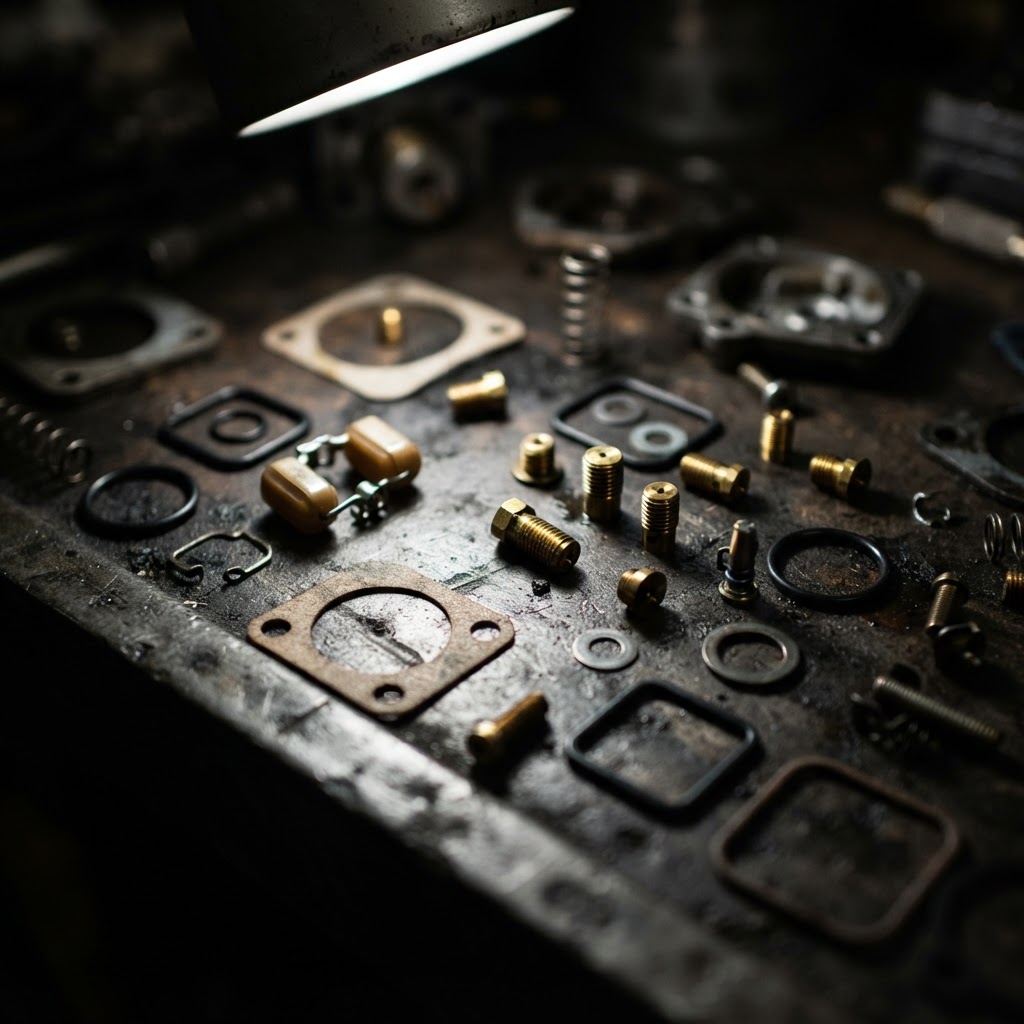
Carburetor Rebuild Kit
This kit provides the essential gaskets, float needle, and jet components needed to resolve the clogs and internal fuel system wear identified in the diagnosis.
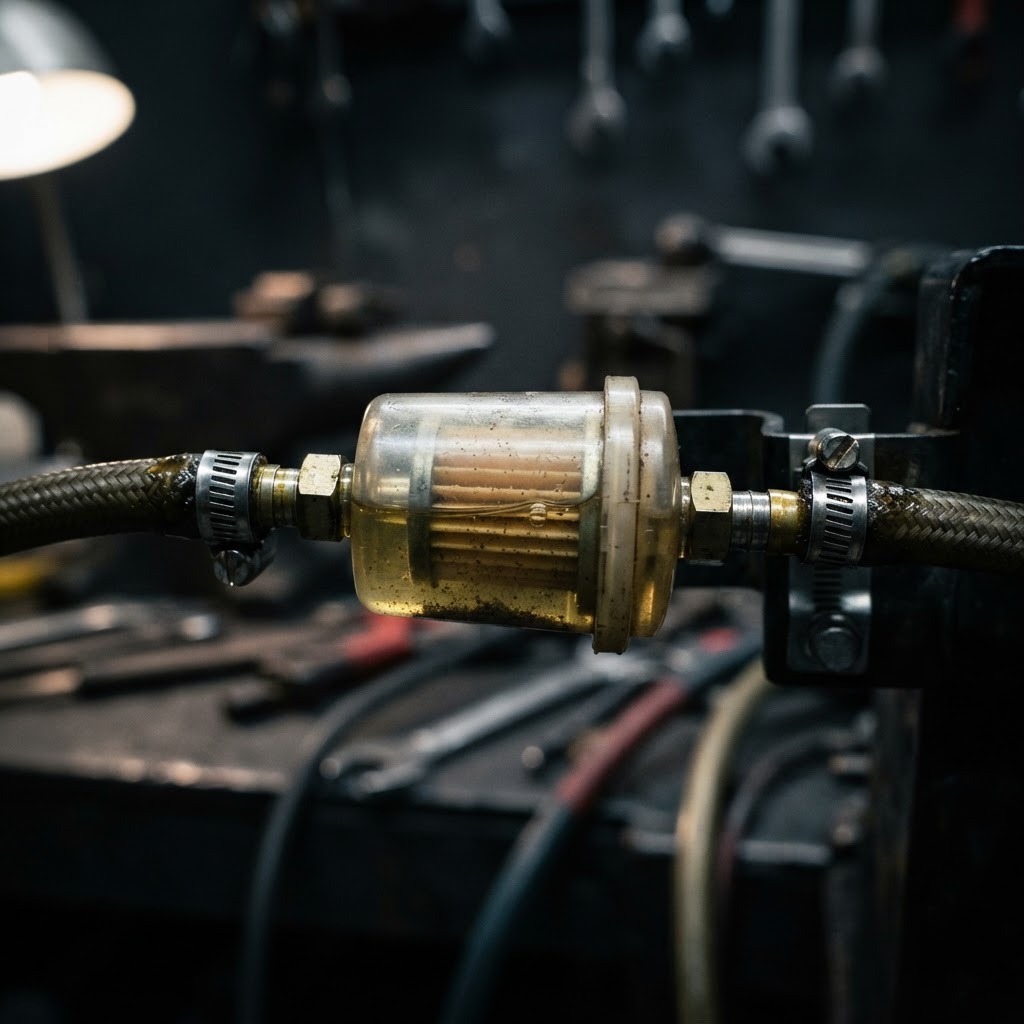
Fuel Filter
If the fuel flow test indicates a restriction, replacing the inline filter ensures debris does not reach the newly cleaned carburetor and cause immediate stalling.
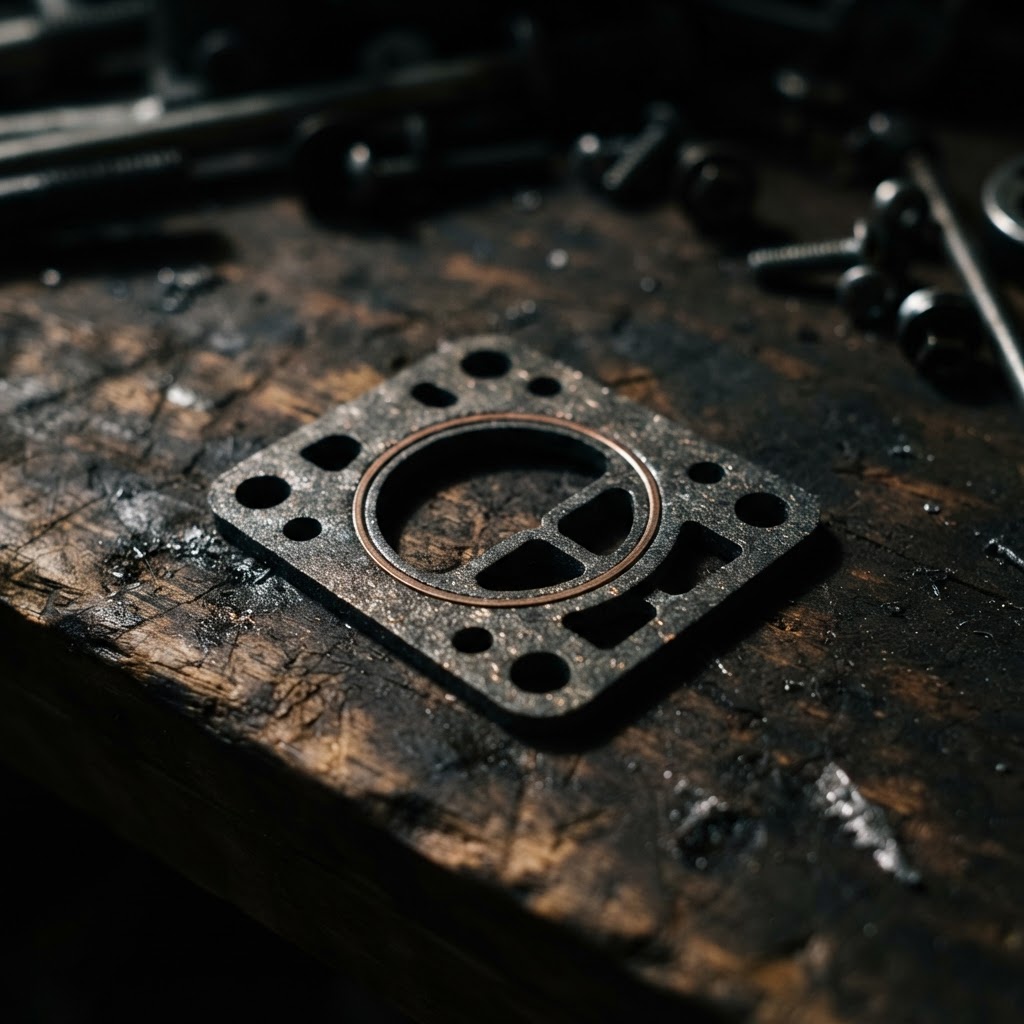
Carburetor Mounting Gasket
This gasket is critical to replace to eliminate air leaks at the intake flange, which can cause the engine to lean out and stall after starting.
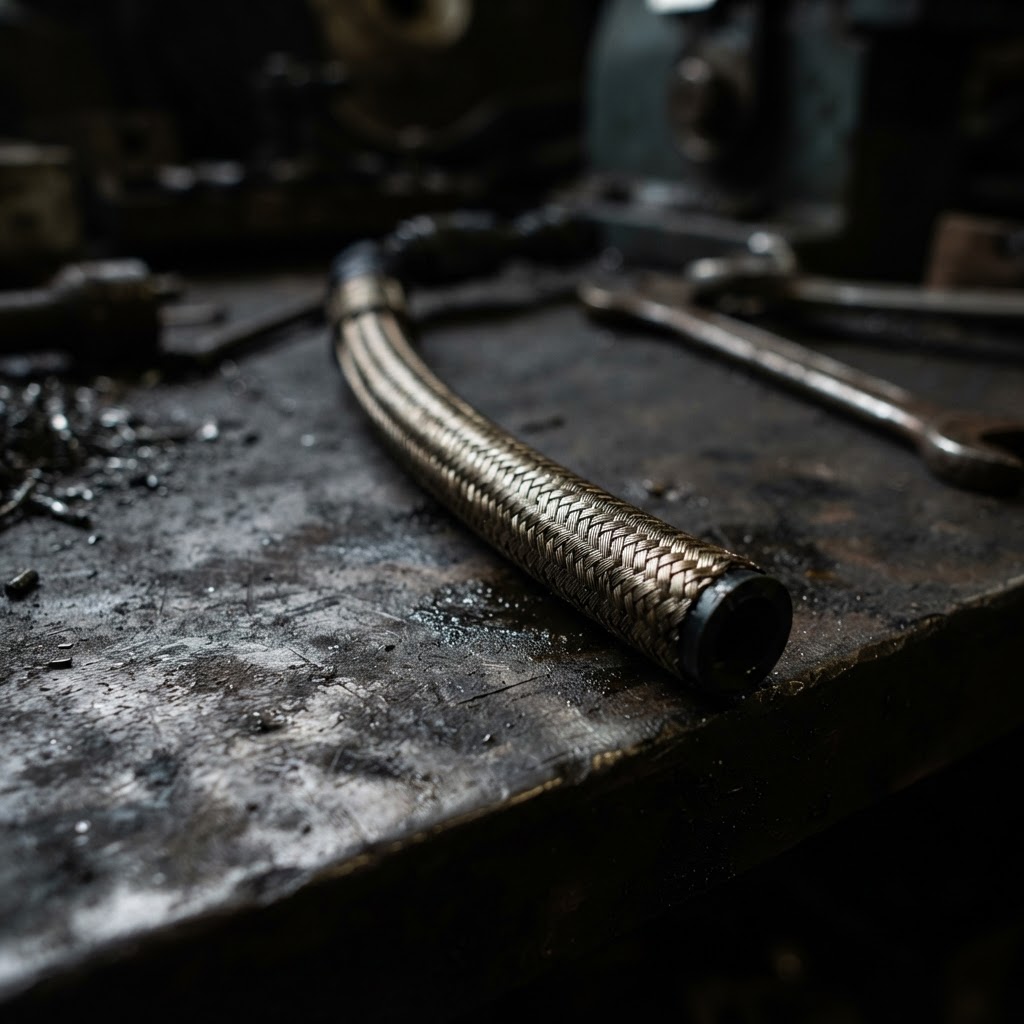
Fuel Line Tubing
If existing fuel lines are cracked or brittle, replacing them ensures a consistent supply of fuel and prevents potential air intake leaks within the fuel delivery system.
Affiliate Disclosure: Lil Engine may earn commissions from qualifying purchases.
Pro Tips from the Community
Real-world fixes from Reddit, YouTube & forums.
"If the solenoid is clicking but it still won't run, the plunger might be moving but the tip has swollen or degraded, blocking the jet. I always pull the solenoid and check the rubber tip."
YouTube comments"The Nikki carburetors on these Troy-Bilts are notorious for the 'plastic jet block' leaking. If cleaning doesn't work, replacing the whole carb is often cheaper than the labor to fix a warped plastic internal part."
Reddit r/lawncare"Check the ground wire on the engine block. If the ground is weak, the fuel solenoid won't stay open consistently, leading to intermittent stalling right after startup."
DoItYourself.com ForumPrevent This From Coming Back
Always use a fuel stabilizer like STA-BIL to prevent ethanol-related gumming
Replace the inline fuel filter annually regardless of appearance
Store the machine with an empty carburetor bowl during the off-season
Clean the cooling fins around the cylinder head to prevent vapor lock from engine overheating
Prevent This From Happening Again
While you're fixing it, stock up on the maintenance essentials that keep your small engines running right.
Spark Plug
The cheapest, fastest fix for most small engine starting problems.
Get on AmazonCarburetor Cleaner
Cleaning the carb is the #1 fix for surging and stalling engines.
Get on AmazonFuel Stabilizer
Prevents the stale fuel problems that cause most seasonal no-starts.
Get on AmazonAffiliate Disclosure: Lil Engine may earn commissions from qualifying purchases.
Frequently Asked Questions
While air helps, it often fails to remove the waxy varnish deposits caused by ethanol. Disassembly and solvent cleaning are necessary for a permanent fix.
Video Help
Helpful videos showing these repairs in action.
Share Your Repair
Real-world fixes help everyone. Share what worked and your repair becomes part of Lil Engine's community database.
Related Problems
More Small Engines GuidesRelated Maintenance Articles
Related Symptoms
Stalling / Dies
Carburetor / Fuel Issues
Related Searches
Troy-Bilt small engine Guides
Did this help?
Your feedback helps improve guides for everyone.