Ryobi Pressure Washer Won't Start
⚡ Quick Answer
The most frequent reason a Ryobi pressure washer won't start is stale gasoline clogging the carburetor. Start by checking your fuel quality, ensuring the spark plug wire is connected, and confirming the fuel valve is in the open position.
What do you want to do?
Most Likely Cause
Gummed Carburetor Jets
Ethanol in pump gas causes varnish deposits to form in the slow-speed pilot jet. Inspect this by removing the carburetor bowl and using a fine wire or compressed air to ensure the tiny orifice is clear.
Start here — this is the most common reason for this symptom.
Why This Problem Happens
A Ryobi pressure washer failing to start usually stems from the degradation of ethanol-blended fuel within the narrow passages of the OEM-specified carburetor. As gasoline sits, light ends evaporate, leaving behind sticky varnish that coats the needle seat and clogs the pilot jet. Because these small-displacement engines operate on extremely lean air-fuel ratios, even minor blockages prevent the engine from drawing enough fuel during the starter pull to initiate combustion. The physics rely on the Venturi effect, where air velocity pulls fuel through the emulsion tube; if that tube is restricted, the engine simply cranks without firing. Furthermore, Ryobi units often utilize a low-oil shut-off sensor—a float switch inside the crankcase—that grounds the ignition coil if it detects low fluid levels. This safety mechanism is a common point of failure where the switch sticks or the internal float becomes saturated with oil, prematurely killing spark before the engine can rotate past top dead center. These two factors, combined with potential moisture-induced corrosion in the ignition coil or spark plug lead, account for the vast majority of non-starting issues in these specific horizontal-shaft engines.
Common Symptoms
- Engine cranks but refuses to fire
- Stale, sour smell emanating from the fuel tank
- Sudden stall after running briefly on starting fluid
- No visible spark when grounding the plug to the engine block
- Engine oil appears milky or excessively overfilled
Before You Buy Parts
Quick, free inspections — check these first. Most repairs don't actually need replacement parts.
Complete Resource Guide
Ultimate Pressure Washer Troubleshooting & Repair Guide
Brand Resource Hub
Ryobi Repair and Troubleshooting Resource Guide
Repair Overview
60–90 minutes
$15–$50
First Checks — Start Here
- 1Verify the fuel tank has fresh, non-ethanol gasoline.
- 2Ensure the fuel valve (if equipped) is in the ON position.
- 3Check that the spark plug wire is firmly attached.
- 4Make sure the engine kill switch is set to the RUN position.
- 5Verify there is oil in the crankcase to trigger the safety sensor.
Safety Warnings
- !Wear insulated gloves and ensure the spark tester is properly grounded to the cylinder head to prevent electrical shock.
- !Only operate the engine briefly with the sensor unplugged to confirm diagnosis; running without the sensor risks severe engine damage if oil levels drop.
- !Work in a well-ventilated area away from any ignition sources or open flames when handling gasoline.
- !Be careful with the small rubber bowl gasket, as it can swell and become difficult to reseat if exposed to harsh solvents for too long.
- !Do not reuse brittle or damaged gaskets; always replace with OEM-spec materials for a proper air-tight seal.
- !The recoil spring is under high tension; if disassembling, secure the housing to prevent it from flying apart during removal.
- !Replacing the spark plug without first verifying if the ignition coil is actually producing spark
Always disconnect the spark plug, work in a well-ventilated area, and consult a professional if unsure.
Most Likely Causes
Ranked by likelihood — tap each to see diagnosis details.
Ethanol in pump gas causes varnish deposits to form in the slow-speed pilot jet. Inspect this by removing the carburetor bowl and using a fine wire or compressed air to ensure the tiny orifice is clear.
Ryobi units feature a float-style oil sensor that grounds the ignition. If the oil level is correct but the engine won't start, disconnect the yellow sensor wire to bypass it and test for spark.
🔧 Step-by-Step Fix Guide
Perform a Spark Test
Remove the spark plug boot and use an adjustable ignition spark tester to check for a strong blue arc while pulling the recoil. If there is no spark, inspect the kill switch wiring and the low-oil sensor lead.
Wear insulated gloves and ensure the spark tester is properly grounded to the cylinder head to prevent electrical shock.
Bypass the Low-Oil Sensor
Locate the single yellow wire trailing from the engine block near the oil fill tube. Unplug this connector; if the engine starts immediately, the internal float switch is faulty or the oil is contaminated.
Only operate the engine briefly with the sensor unplugged to confirm diagnosis; running without the sensor risks severe engine damage if oil levels drop.
Flush the Fuel System
Disconnect the fuel line at the carburetor and drain the tank completely into a fuel-safe container. Clean the tank interior and verify fuel flows freely from the tank before reconnecting the hose.
Work in a well-ventilated area away from any ignition sources or open flames when handling gasoline.
Deep Clean the Carburetor
Remove the carburetor by disconnecting the intake gasket and linkage springs. Disassemble the bowl, remove the jet, and soak the body in a professional-grade carburetor dip or ultrasonic cleaner to remove stubborn varnish.
Be careful with the small rubber bowl gasket, as it can swell and become difficult to reseat if exposed to harsh solvents for too long.
Inspect the Intake Manifold Gasket
A cracked intake gasket creates a vacuum leak, causing a lean condition that prevents starting. Check the mating surface for signs of air ingress or crumbling material that could break the intake seal.
Do not reuse brittle or damaged gaskets; always replace with OEM-spec materials for a proper air-tight seal.
Test Recoil Starter Engagement
Ensure the starter dogs are fully extending to engage the flywheel cup when pulling the cord. If the rope feels loose or pulls without resistance, the starter pawls or the internal flywheel engagement spring may be damaged.
The recoil spring is under high tension; if disassembling, secure the housing to prevent it from flying apart during removal.
What To Test Next
If fuel delivery checks out, the next thing to inspect is spark — remove the spark plug, ground its threads to the engine block, and crank the engine to look for a visible blue spark.
Component Reference

Carburetor & Fuel Intake
The carburetor mixes air and fuel for combustion. A clogged jet or stuck float is the #1 cause of small engine starting and surging problems.

Spark Plug & Ignition System
The spark plug ignites the air-fuel mixture. A fouled plug, wrong gap, or failing ignition coil will prevent the engine from firing.

Oil & Lubrication System
Regular oil changes are critical. Low or dirty oil causes engine wear, overheating, and eventual seizure. Check the dipstick before every season.

Air Filter & Intake
A clogged air filter starves the engine of air, causing rich running, power loss, and hard starting. Inspect and clean or replace it each season.
Photos for educational reference. Actual parts may vary by make and model.
Common Mistakes to Avoid
Using starting fluid excessively, which can wash cylinder walls of lubrication
Replacing the spark plug without first verifying if the ignition coil is actually producing spark
Cleaning the carburetor without removing the pilot jet, which is the most frequent point of failure
Attempting to start the engine without the high-pressure hose attached, causing backpressure issues
If This Didn't Fix It
Still having trouble? These are the next things to check:
Get the Exact Parts for Your Machine
Tell us your equipment's year, make, and model — we'll search for parts that actually fit, not generic ones.
Finding parts for
Ryobi pressure washer
Required Gear
Matched to your Ryobi pressure washer — click to find the exact fit on Amazon.
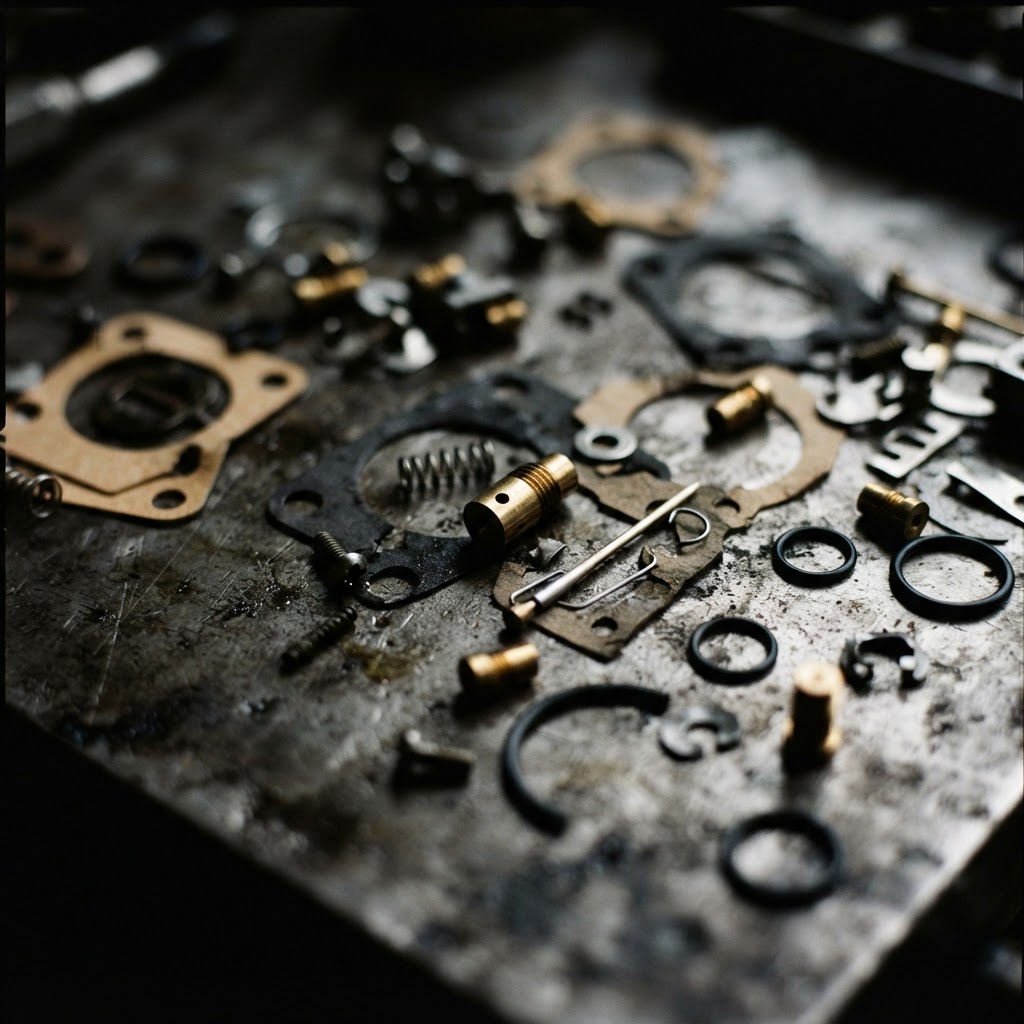
Carburetor Rebuild Kit
This kit contains precision-sized jets and gaskets necessary to resolve engine failure caused by fuel varnish and sediment buildup in the carburetor.
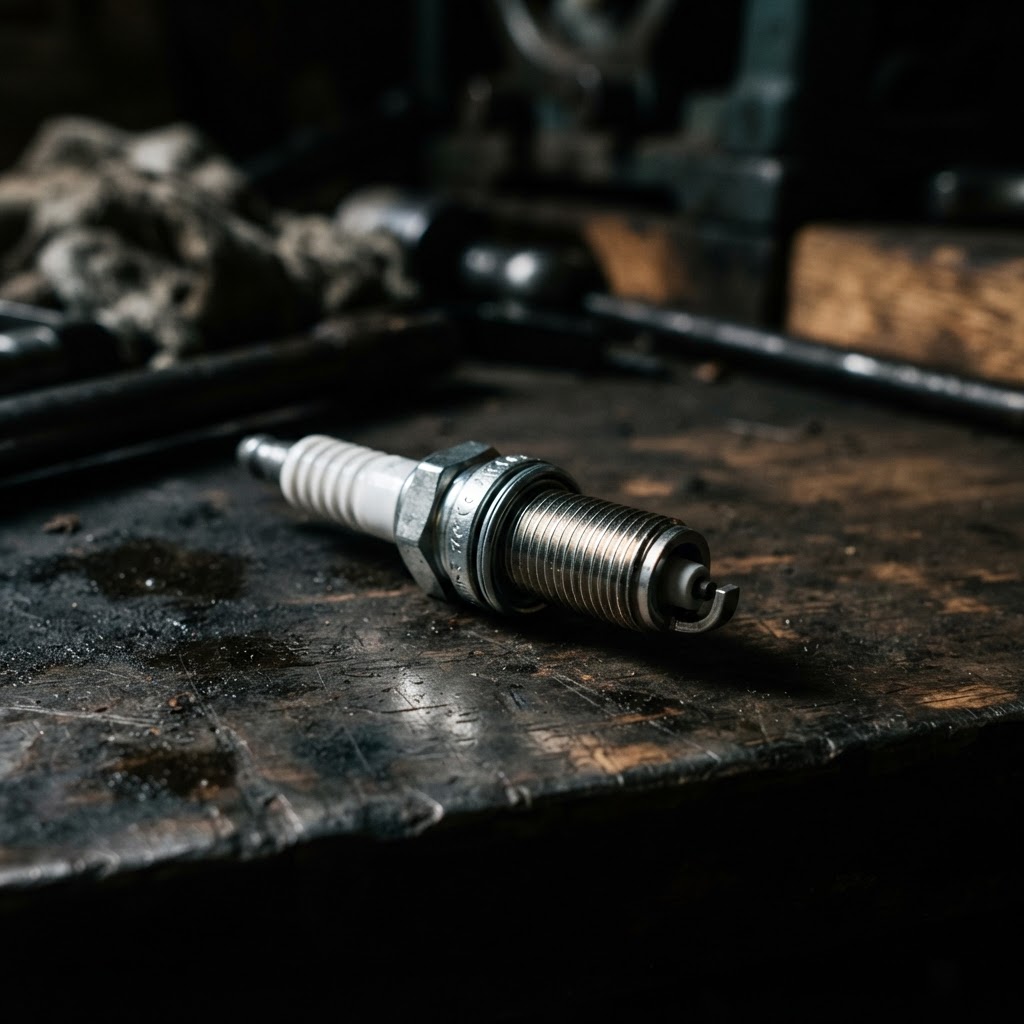
Replacement Spark Plug
A fresh spark plug is essential to replace a fouled unit, ensuring the reliable ignition spark required for the engine to overcome startup resistance.
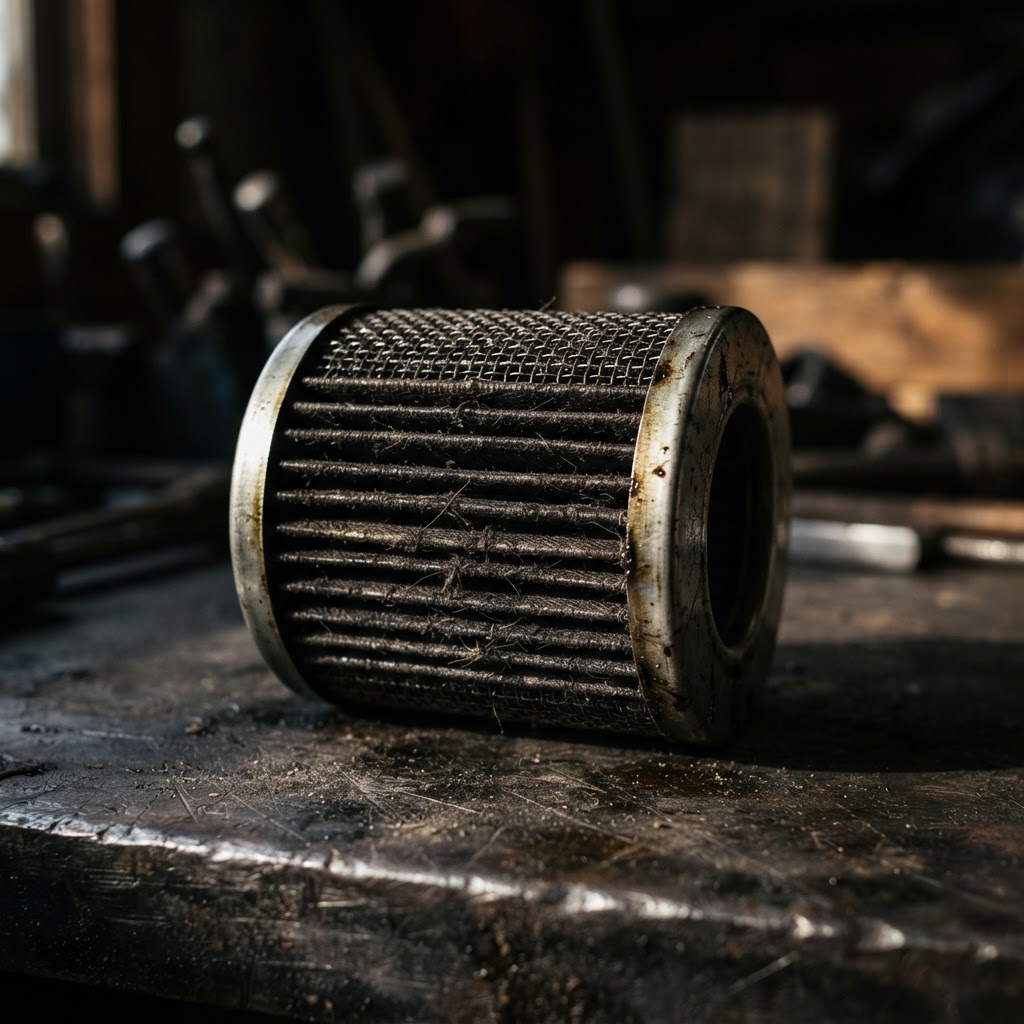
Air Filter Element
Replacing a restricted air filter restores proper oxygen flow to the combustion chamber, which is vital for an engine that previously failed to start due to air starvation.
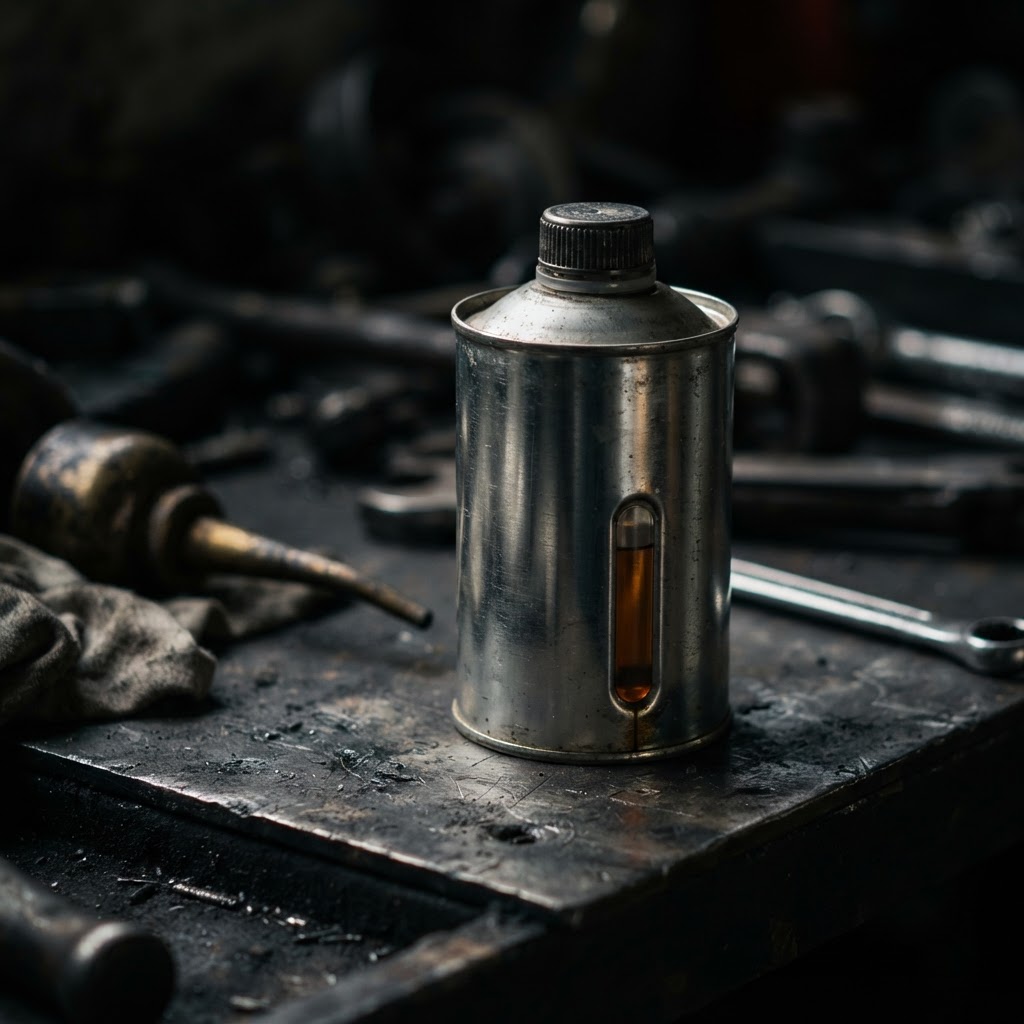
Fuel System Stabilizer/Conditioner
This additive cleans out remaining contaminants and prevents further degradation of the fuel system after flushing the tank and lines.
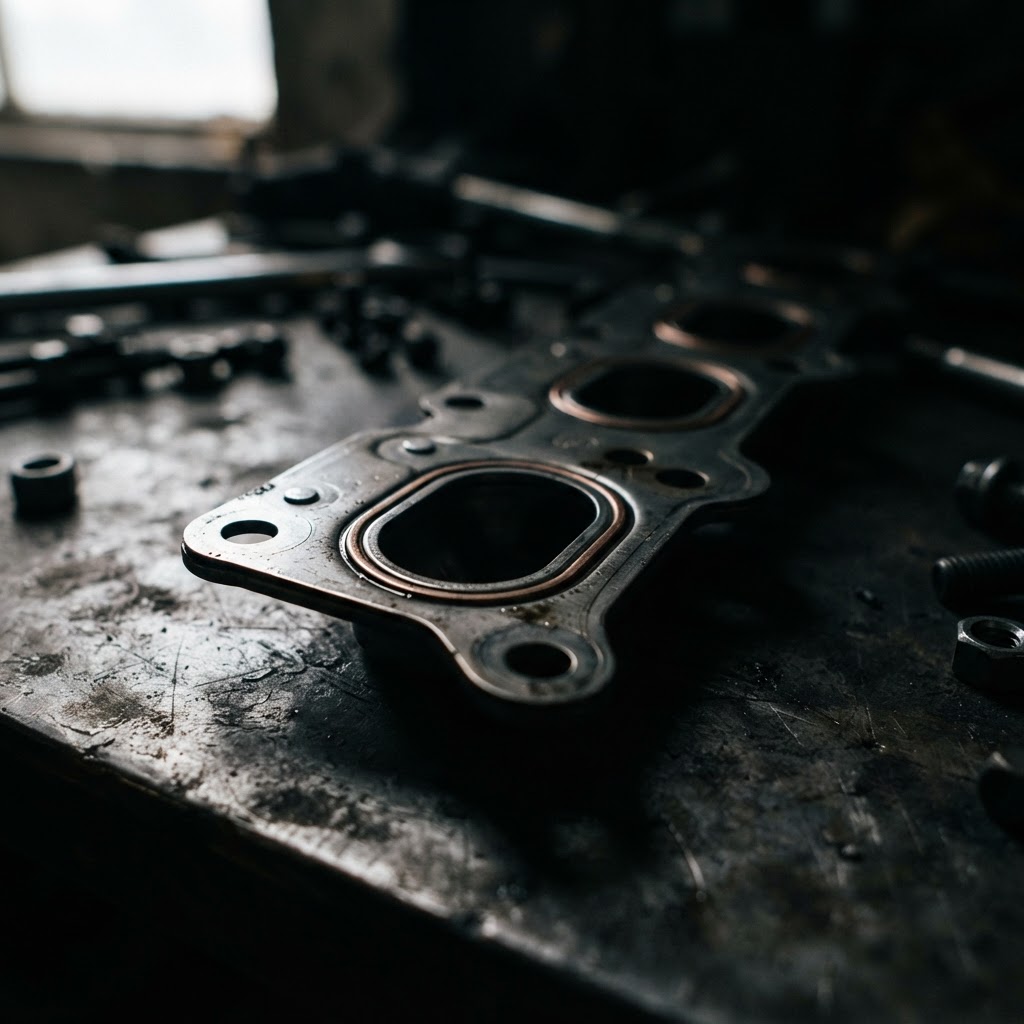
Intake Manifold Gasket
Replacing this gasket ensures an airtight seal between the carburetor and cylinder head, preventing vacuum leaks that would otherwise prevent the engine from pulling fuel correctly.
Affiliate Disclosure: Lil Engine may earn commissions from qualifying purchases.
Pro Tips from the Community
Real-world fixes from Reddit, YouTube & forums.
"If it won't fire, pull the spark plug and see if it is wet with gas; if dry, shoot a tiny bit of starting fluid into the intake to confirm it is a fuel delivery issue."
Reddit r/smallengines"Check for old ethanol fuel gunking up the tiny jet inside the carburetor bowl by removing the nut at the bottom of the carb and clearing the blockage with a thin strand of copper wire."
DoItYourself.com Forum"Always squeeze the wand trigger while pulling the starter rope to release internal pump pressure, as backpressure can make the engine feel like it is locked up."
YouTube comments"Check the oil level sensor because if it is even slightly low, the safety switch will kill the spark and prevent the engine from starting entirely."
LawnSite.com ForumPrevent This From Coming Back
Use non-ethanol fuel exclusively to prevent fuel system gumming
Add a high-quality fuel stabilizer to every gas can used for outdoor power equipment
Change the engine oil every 50 hours of operation to prevent oil sensor failure
Store the pressure washer in a dry environment to prevent moisture buildup in the ignition system
Prevent This From Happening Again
While you're fixing it, stock up on the maintenance essentials that keep your pressure washers running right.
Pressure Washer Pump Oil
Pump oil degrades — change annually to prevent pump failure.
Get on AmazonPressure Washer Nozzle Set
Worn nozzles lose pressure — a fresh set restores cleaning power.
Get on AmazonFuel Stabilizer
Prevents carb gumming during seasonal storage.
Get on AmazonAffiliate Disclosure: Lil Engine may earn commissions from qualifying purchases.
Frequently Asked Questions
Absolutely not. E85 contains too much ethanol and will destroy the fuel lines and carburetor internals, leading to immediate starting and running failures.
Video Help
Helpful videos showing these repairs in action.
Share Your Repair
Real-world fixes help everyone. Share what worked and your repair becomes part of Lil Engine's community database.
Related Problems
More Pressure Washers GuidesRelated Maintenance Articles
Related Symptoms
Won’t Start
Carburetor / Fuel Issues
Related Searches
Ryobi pressure washer Guides
Did this help?
Your feedback helps improve guides for everyone.