Stihl FS 56 RC Weed Eater Won't Start
⚡ Quick Answer
Most starting issues on a Stihl FS 56 RC are caused by old fuel clogging the carburetor or a fouled spark plug. Start by checking for fresh fuel, ensuring the engine switch is set correctly, and inspecting the spark plug for buildup.
What do you want to do?
Most Likely Cause
Clogged Carburetor Screen
Fuel varnish accumulates on the internal Zama screen, preventing fuel from reaching the metering chamber. Inspect the screen by removing the carburetor and checking for amber-colored buildup.
Start here — this is the most common reason for this symptom.
Why This Problem Happens
The Stihl FS 56 RC utilizes a 2-MIX engine that relies on precise scavenging and strict air-to-fuel ratios to achieve its emissions ratings. A 'no start' condition often stems from the degradation of the ethanol-sensitive fuel lines or a fouled spark plug caused by the low-oil-ratio mix requirements. When fuel sit stagnant, the light ends evaporate, leaving behind varnish that clogs the internal micro-screens within the Zama carburetor, specifically the needle valve seat, preventing the necessary fuel metering for combustion. Simultaneously, the FS 56 RC's ignition system—an electronic magneto module—operates on a very narrow air gap; if this gap deviates due to vibration or debris buildup, the induced voltage drop prevents the plug from firing under compression. Because this engine features a purge-primer bulb system, a compromised impulse line or cracked primer housing creates a vacuum leak that prevents the carburetor diaphragm from 'breathing,' effectively starving the combustion chamber of fuel regardless of external priming efforts.
Common Symptoms
- Engine cranks but fails to fire
- Wet spark plug immediately after pulling cord
- Primer bulb fails to fill with fuel
- Audible air hiss from the crankcase area
- Engine fires momentarily with starter fluid only
Before You Buy Parts
Quick, free inspections — check these first. Most repairs don't actually need replacement parts.
Complete Resource Guide
Complete Weed Eaters Troubleshooting & Repair Guide
Brand Resource Hub
Stihl Troubleshooting & Repair Guide
Repair Overview
45–90 minutes
$15–$50
First Checks — Start Here
- 1Verify the fuel tank has fresh, properly mixed 2-cycle fuel.
- 2Ensure the choke is set to the cold start position.
- 3Check that the stop switch is in the 'On' position.
- 4Press the fuel primer bulb several times until visible fuel moves.
- 5Inspect the spark plug wire to ensure it is firmly connected.
Safety Warnings
- !Keep all fuel-soaked rags away from the ignition area to prevent accidental fire during testing.
- !Wear safety glasses to protect eyes from pressurized fuel spray.
- !Ensure the work area is well-ventilated to avoid inhaling toxic chemical vapors.
- !Do not attempt to pull the cord with loose debris in the cylinder hole.
- !Ensure the flywheel is free of metal filings that could bridge the gap.
- !Always wear gloves to prevent cuts from sharp cooling fins.
- !Adjusting the high/low fuel needles without a tachometer
- !Using generic fuel line that is not ethanol-rated
- !Failing to replace the fuel pickup filter (stone) during service
Always disconnect the spark plug, work in a well-ventilated area, and consult a professional if unsure.
Most Likely Causes
Ranked by likelihood — tap each to see diagnosis details.
Fuel varnish accumulates on the internal Zama screen, preventing fuel from reaching the metering chamber. Inspect the screen by removing the carburetor and checking for amber-colored buildup.
The FS 56 RC relies on crankcase pulses to operate the fuel pump diaphragm. If the impulse hose is cracked or disconnected, the carburetor will not draw fuel from the tank.
🔧 Step-by-Step Fix Guide
Spark Testing with a Spark Gap Tester
Remove the shroud and connect an inline ignition spark tester to the plug wire. Pull the starter cord briskly and look for a bright blue, consistent snap; a weak or orange spark indicates a failing ignition module.
Keep all fuel-soaked rags away from the ignition area to prevent accidental fire during testing.
Fuel System Pressure Check
Verify the integrity of the fuel lines and primer bulb assembly. If the bulb remains empty while priming, inspect the tank pickup body and the fuel return lines for dry rot or cracks.
Wear safety glasses to protect eyes from pressurized fuel spray.
Carburetor Internal Cleaning
Remove the Zama carburetor and disassemble the metering side to clean the internal screen with ultrasonic cleaner or dedicated carburetor spray. Ensure the needle valve is free-moving and the gasket is not torn.
Ensure the work area is well-ventilated to avoid inhaling toxic chemical vapors.
Cylinder Compression Test
Install a compression tester into the spark plug hole and pull the cord 5-6 times. The FS 56 RC should show at least 110-120 PSI; values below 90 PSI suggest worn piston rings or a scored cylinder wall.
Do not attempt to pull the cord with loose debris in the cylinder hole.
Ignition Coil Air Gap Adjustment
Loosen the two coil mounting screws and insert a .010 inch feeler gauge between the flywheel magnet and the coil laminations. Push the coil against the gauge and tighten the mounting bolts.
Ensure the flywheel is free of metal filings that could bridge the gap.
Exhaust Port Inspection
Remove the muffler and use a flashlight to view the piston and exhaust port. Look for heavy carbon buildup that could be obstructing flow, which is common in over-oiled 2-cycle mixtures.
Always wear gloves to prevent cuts from sharp cooling fins.
What To Test Next
If fuel delivery checks out, the next thing to inspect is spark — remove the spark plug, ground its threads to the engine block, and crank the engine to look for a visible blue spark.
Component Reference

Carburetor & Fuel Intake
The carburetor mixes air and fuel for combustion. A clogged jet or stuck float is the #1 cause of small engine starting and surging problems.

Spark Plug & Ignition System
The spark plug ignites the air-fuel mixture. A fouled plug, wrong gap, or failing ignition coil will prevent the engine from firing.

Oil & Lubrication System
Regular oil changes are critical. Low or dirty oil causes engine wear, overheating, and eventual seizure. Check the dipstick before every season.

Air Filter & Intake
A clogged air filter starves the engine of air, causing rich running, power loss, and hard starting. Inspect and clean or replace it each season.
Photos for educational reference. Actual parts may vary by make and model.
Common Mistakes to Avoid
Adjusting the high/low fuel needles without a tachometer
Using generic fuel line that is not ethanol-rated
Over-tightening the carburetor mounting screws and cracking the flange
Failing to replace the fuel pickup filter (stone) during service
If This Didn't Fix It
Still having trouble? These are the next things to check:
Get the Exact Parts for Your Machine
Tell us your equipment's year, make, and model — we'll search for parts that actually fit, not generic ones.
Finding parts for
Stihl FS 56 RC weed eater
Required Gear
Matched to your Stihl FS 56 RC weed eater — click to find the exact fit on Amazon.
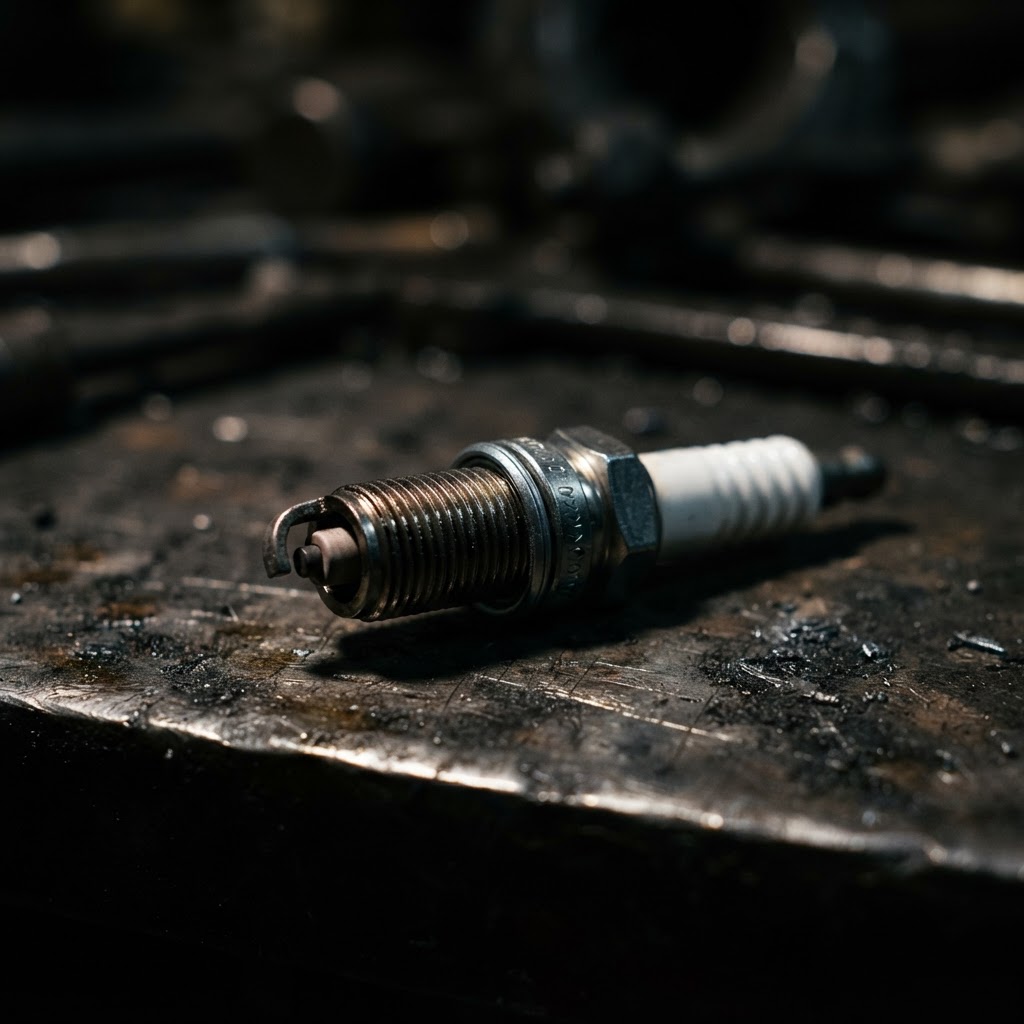
NGK CMR6H Spark Plug
Replacing the spark plug is essential to resolve issues caused by fouling or internal carbon tracking that prevents the ignition system from firing correctly.
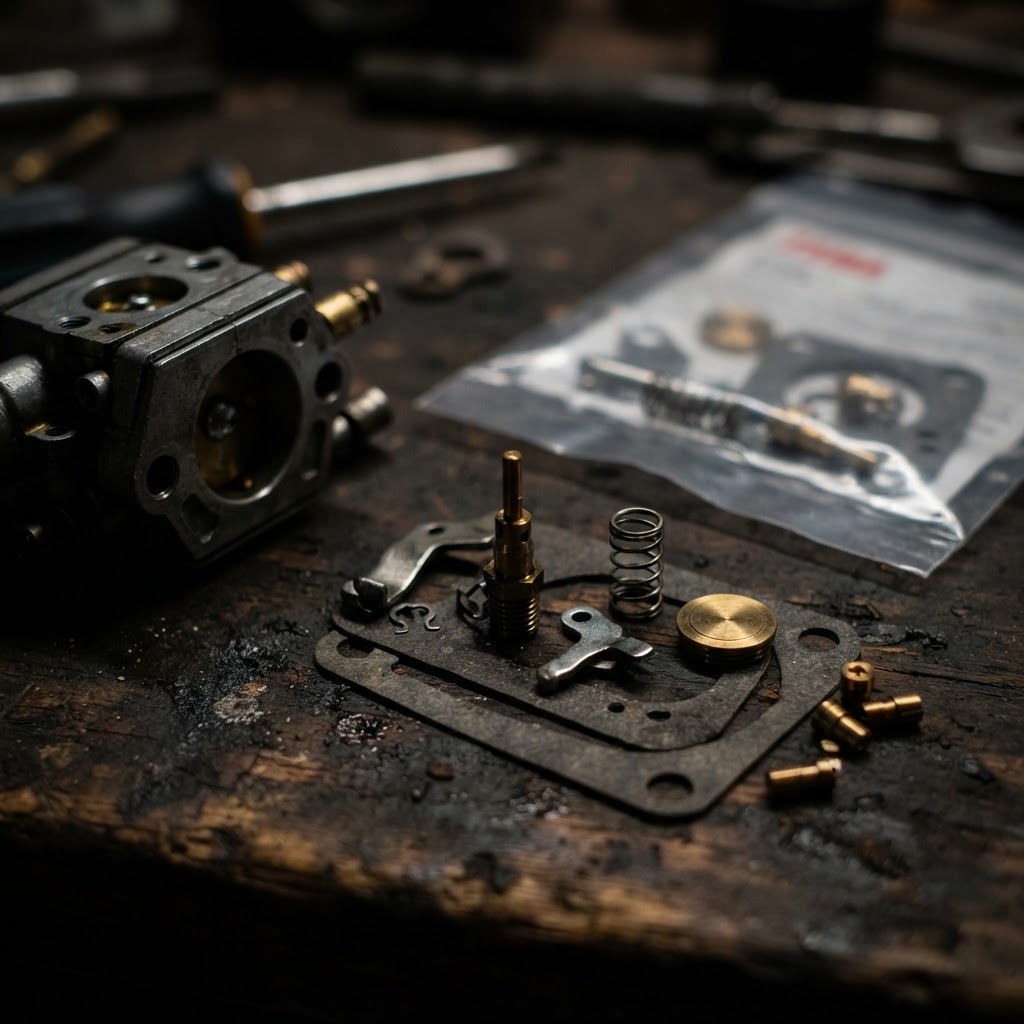
Zama C1Q Carburetor Rebuild Kit
This kit contains the diaphragms, gaskets, and screens necessary to clear blockages and restore fuel delivery in a carburetor that has failed internal cleaning.
OEM Stihl Impulse Line
A new impulse line is required if the original has developed cracks or air leaks that prevent the fuel pump from cycling properly.
Stihl Fuel Tank Vent/Pick-up Body
Replacing the tank vent is necessary if the unit creates a vacuum in the fuel tank, restricting fuel flow to the carburetor during operation.
Affiliate Disclosure: Lil Engine may earn commissions from qualifying purchases.
Pro Tips from the Community
Real-world fixes from Reddit, YouTube & forums.
"Check the spark arrestor screen in the muffler first because if it is clogged with carbon, the engine won't breathe and will never start."
LawnSite.com Forum"If the engine fires briefly with starter fluid but dies immediately, your carb diaphragm is likely stiff from old fuel and needs a rebuild or replacement."
Reddit r/smallengines"Always inspect the fuel line inside the tank for tiny pinhole cracks, as they will cause the engine to lose prime without leaking a single drop of gas."
YouTube comments"Don't ignore the tank vent; if your fuel lines look good but you get a vacuum lock, try loosening the gas cap to see if it starts right up."
DoItYourself.comPrevent This From Coming Back
Use high-quality synthetic 2-cycle oil mixed exactly at 50:1
Drain fuel system completely if storing for longer than 30 days
Replace the fuel pickup stone once per season
Blow out the cooling fins and air intake every 10 hours of use
Prevent This From Happening Again
While you're fixing it, stock up on the maintenance essentials that keep your weed eaters running right.
Trimmer Line/String
Quality trimmer line breaks less and cuts cleaner.
Get on Amazon2-Cycle Oil
Fresh fuel mix prevents carb diaphragm hardening and starting issues.
Get on AmazonSpark Arrestor Screen
A clogged spark arrestor causes power loss — clean or replace it.
Get on AmazonAffiliate Disclosure: Lil Engine may earn commissions from qualifying purchases.
Frequently Asked Questions
Only if it is non-ethanol (rec gas) and fresh. Ethanol absorbs water quickly and ruins the internal carburetor components of the 2-MIX engine.
Video Help
Helpful videos showing these repairs in action.
Share Your Repair
Real-world fixes help everyone. Share what worked and your repair becomes part of Lil Engine's community database.
Related Problems
More Weed Eaters GuidesRelated Maintenance Articles
Related Symptoms
Won’t Start
Carburetor / Fuel Issues
Related Searches
Stihl weed eater Guides
Did this help?
Your feedback helps improve guides for everyone.