Briggs And Stratton Engine Won't Start
⚡ Quick Answer
Most Briggs and Stratton engines fail to start due to old fuel clogging the carburetor or a fouled spark plug. Start by checking your fuel quality, ensuring the fuel shut-off valve is open, and verifying that the spark plug wire is firmly connected.
What do you want to do?
Most Likely Cause
Stale Fuel and Carburetor Varnish
Old gasoline creates sticky deposits that clog the carburetor's tiny brass jets. Inspect by removing the float bowl; if you see gummy residue or greenish sludge, the carburetor requires a deep cleaning.
Start here — this is the most common reason for this symptom.
Why This Problem Happens
A Briggs and Stratton engine fails to start when the delicate equilibrium of the combustion triangle—compression, ignition, and fuel—is compromised. In these engines, the most frequent failure point is fuel degradation; the ethanol in modern pump gas separates and leaves behind a varnish-like resin that gums up the intricate micro-passages in the carburetor, specifically the main jet and idle circuit. When the emulsion tube becomes restricted, the engine cannot achieve the correct stoichiometric air-fuel ratio, resulting in a lean condition that prevents ignition. Mechanically, these engines rely on precise ignition timing triggered by the armature magnet passing the flywheel. If the air gap is incorrect or the electronic ignition module has failed, the spark will be too weak or non-existent at the plug. Furthermore, because many Briggs engines utilize a plastic carburetor body or thin gaskets, air leaks at the intake manifold—often caused by warped surfaces—introduce unmetered air, further destabilizing the combustion process and preventing a successful start.
Common Symptoms
- Engine cranks but refuses to fire
- Backfiring through the carburetor or muffler
- Strong odor of raw fuel indicating flooding
- Spark plug appearing wet or fouled with carbon
- Engine runs briefly on starting fluid then dies
Before You Buy Parts
Quick, free inspections — check these first. Most repairs don't actually need replacement parts.
Complete Resource Guide
Complete Small Engines Troubleshooting Guide
Repair Overview
1–2 hours
$10–$50
First Checks — Start Here
- 1Check the fuel tank for fresh, clean gasoline.
- 2Ensure the fuel shut-off valve is in the open position.
- 3Verify the spark plug wire is securely attached.
- 4Check that the oil level is sufficient.
- 5Ensure the air filter is not clogged with debris.
Safety Warnings
- !Keep your fingers away from the spark plug terminal while cranking to avoid a significant high-voltage shock.
- !Use starter fluid sparingly; excessive use can wash oil off the cylinder walls and cause premature engine wear.
- !Ensure the fuel line is clamped off before disconnecting to prevent pressurized fuel spray.
- !Disconnect the spark plug wire entirely before reaching near the flywheel area to prevent accidental starting.
- !Use a proper flywheel puller; never strike the crankshaft with a hammer to remove the flywheel, as you will ruin the bearings.
- !Always use a torque wrench to ensure the mounting bolts are tightened to manufacturer specifications to avoid warping the plastic carburetor body.
- !Using old gasoline that sat in a shed over the winter
- !Failing to check the fuel shut-off valve on larger riding mowers
- !Relying on old spark plugs that look 'clean' but have internal resistance failure
- !Forgetting to reconnect the kill wire after ignition service
Always disconnect the spark plug, work in a well-ventilated area, and consult a professional if unsure.
Most Likely Causes
Ranked by likelihood — tap each to see diagnosis details.
Old gasoline creates sticky deposits that clog the carburetor's tiny brass jets. Inspect by removing the float bowl; if you see gummy residue or greenish sludge, the carburetor requires a deep cleaning.
The gap between the ignition armature and the flywheel magnets is critical for generating a hot spark. If the gap is too wide, the module cannot trigger the coil to discharge, resulting in a weak or intermittent spark.
🔧 Step-by-Step Fix Guide
Verify Spark Integrity
Remove the spark plug and attach it to the plug wire, grounding the threads against a clean metal part of the engine block. Crank the engine and observe for a crisp, blue spark; if the spark is yellow, weak, or absent, replace the plug or test the ignition module.
Keep your fingers away from the spark plug terminal while cranking to avoid a significant high-voltage shock.
Perform a 'Spray Test'
Spray a small amount of aerosol starter fluid directly into the carburetor throat and attempt to start the engine. If the engine fires momentarily, your problem is strictly fuel-related; if it does not fire at all, focus on ignition or mechanical compression.
Use starter fluid sparingly; excessive use can wash oil off the cylinder walls and cause premature engine wear.
Clean the Carburetor Jets
Remove the carburetor bowl and carefully clean the main jet and emulsion tube using a thin wire or carburetor cleaner. Ensure all microscopic orifices are clear of debris to allow fuel to atomize correctly.
Ensure the fuel line is clamped off before disconnecting to prevent pressurized fuel spray.
Adjust Ignition Armature Air Gap
Loosen the two bolts holding the ignition coil and insert a clean business card between the coil and the flywheel magnet. Push the coil against the flywheel until the magnet grabs it, then tighten the bolts and remove the card.
Disconnect the spark plug wire entirely before reaching near the flywheel area to prevent accidental starting.
Inspect for Flywheel Key Shearing
Remove the flywheel shroud and examine the keyway alignment. If the key slot in the flywheel is not perfectly aligned with the crankshaft notch, the key is sheared and must be replaced to restore proper timing.
Use a proper flywheel puller; never strike the crankshaft with a hammer to remove the flywheel, as you will ruin the bearings.
Check Intake Manifold Integrity
Inspect the gasket between the carburetor and the engine block for cracks or hardening. If you suspect a leak, apply a small amount of gasket sealer or replace the gasket to ensure a vacuum-tight seal.
Always use a torque wrench to ensure the mounting bolts are tightened to manufacturer specifications to avoid warping the plastic carburetor body.
What To Test Next
If fuel delivery checks out, the next thing to inspect is spark — remove the spark plug, ground its threads to the engine block, and crank the engine to look for a visible blue spark.
Component Reference

Carburetor & Fuel Intake
The carburetor mixes air and fuel for combustion. A clogged jet or stuck float is the #1 cause of small engine starting and surging problems.

Spark Plug & Ignition System
The spark plug ignites the air-fuel mixture. A fouled plug, wrong gap, or failing ignition coil will prevent the engine from firing.

Oil & Lubrication System
Regular oil changes are critical. Low or dirty oil causes engine wear, overheating, and eventual seizure. Check the dipstick before every season.

Air Filter & Intake
A clogged air filter starves the engine of air, causing rich running, power loss, and hard starting. Inspect and clean or replace it each season.
Photos for educational reference. Actual parts may vary by make and model.
Common Mistakes to Avoid
Using old gasoline that sat in a shed over the winter
Overtightening carburetor bolts, which cracks the plastic mounting flange
Failing to check the fuel shut-off valve on larger riding mowers
Relying on old spark plugs that look 'clean' but have internal resistance failure
Forgetting to reconnect the kill wire after ignition service
If This Didn't Fix It
Still having trouble? These are the next things to check:
Get the Exact Parts for Your Machine
Tell us your equipment's year, make, and model — we'll search for parts that actually fit, not generic ones.
Finding parts for
Briggs and Stratton engine
Required Gear
Matched to your Briggs and Stratton engine — click to find the exact fit on Amazon.
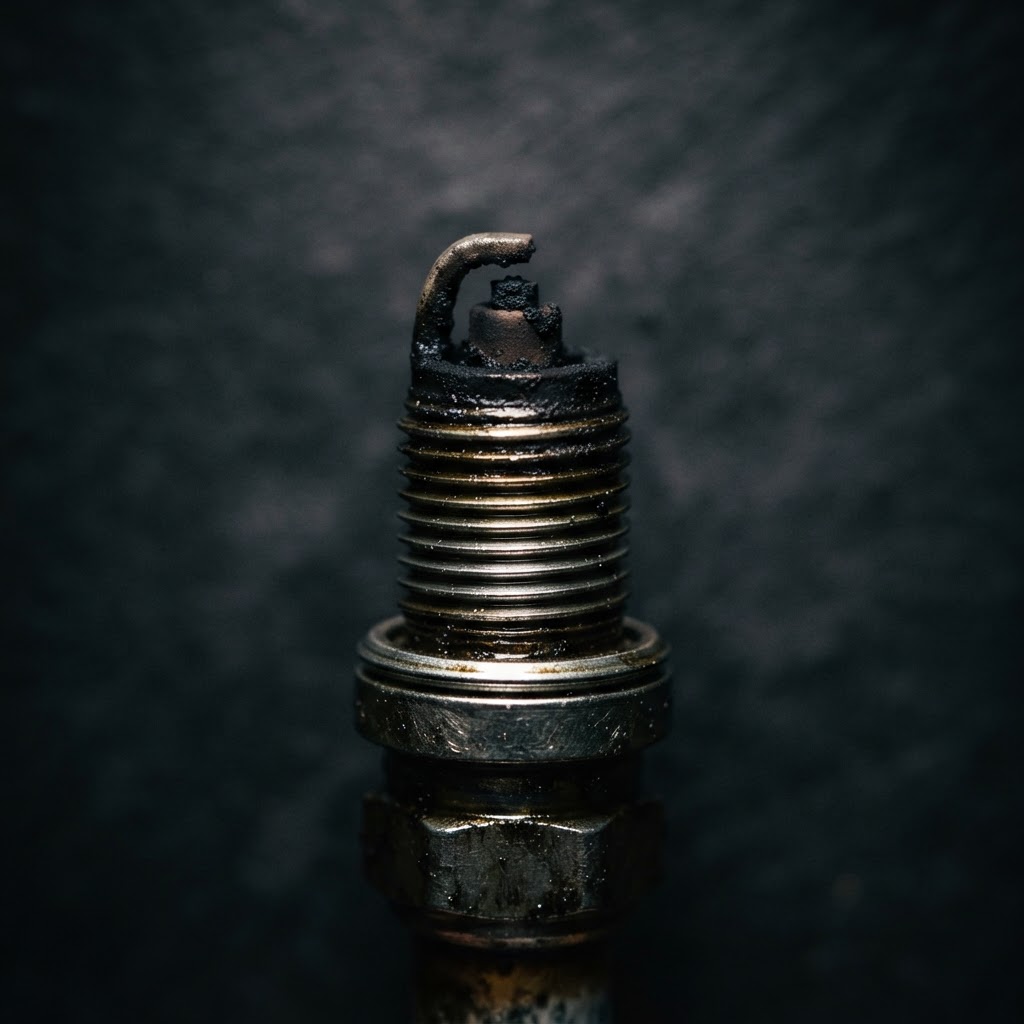
Spark Plug
Replacing a fouled or carbon-bridged spark plug is essential to restore the consistent ignition spark required for the engine to fire.
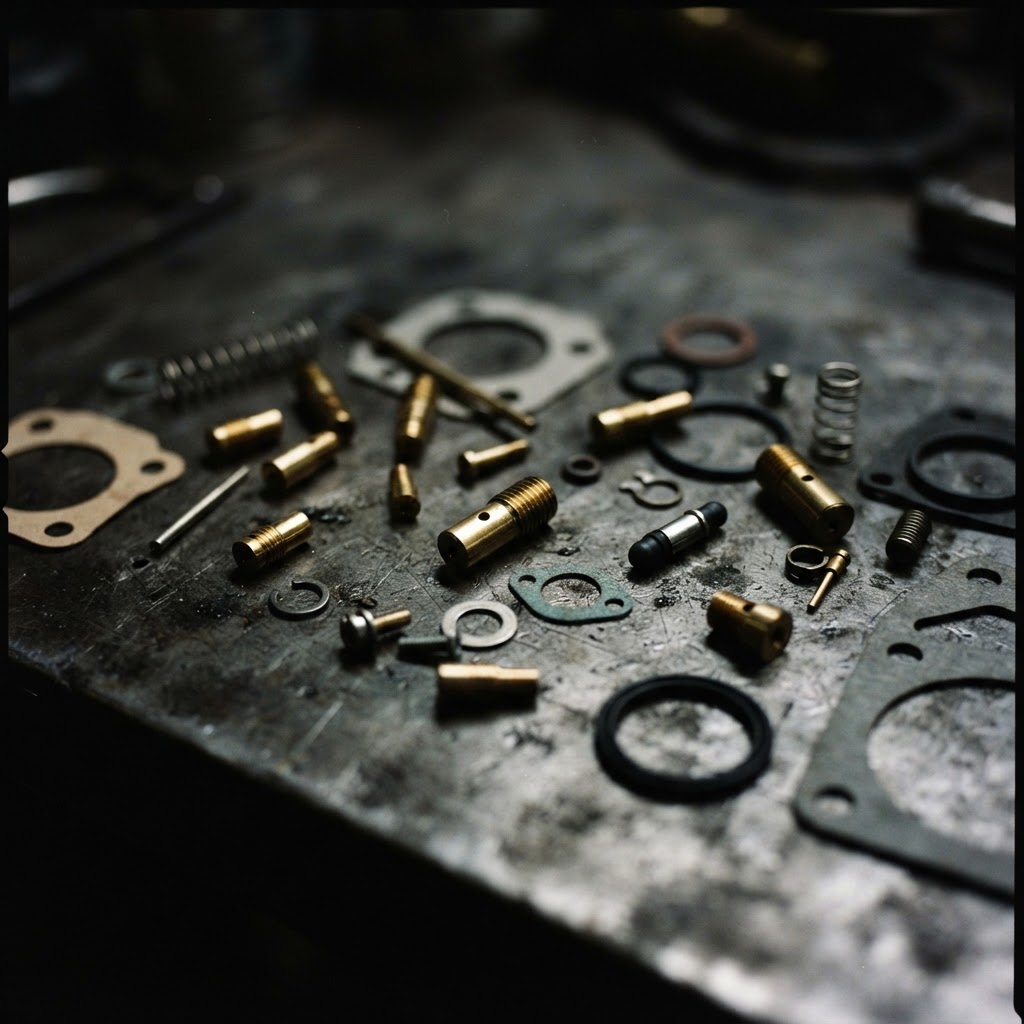
Carburetor Rebuild Kit
This kit contains the specific jets, gaskets, and seals necessary to eliminate internal varnish build-up and ensure proper fuel delivery after a spray test confirms a fueling issue.

Flywheel Key
If the engine has suffered a sudden impact, the flywheel key often shears to protect the crankshaft, requiring a new key to restore correct ignition timing.
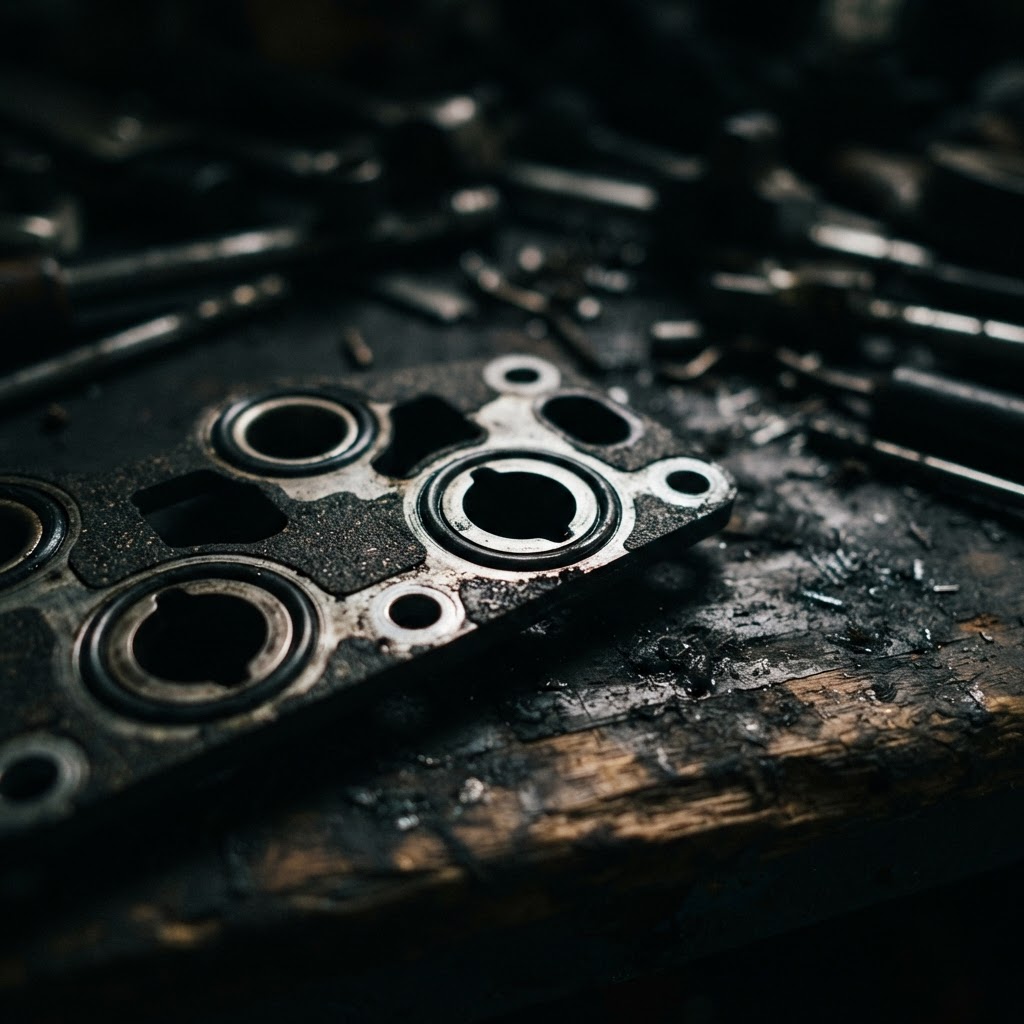
Intake Manifold Gasket
An intake manifold air leak prevents the engine from drawing the correct fuel-to-air mixture; replacing the gasket ensures a vacuum-tight seal for reliable starting.
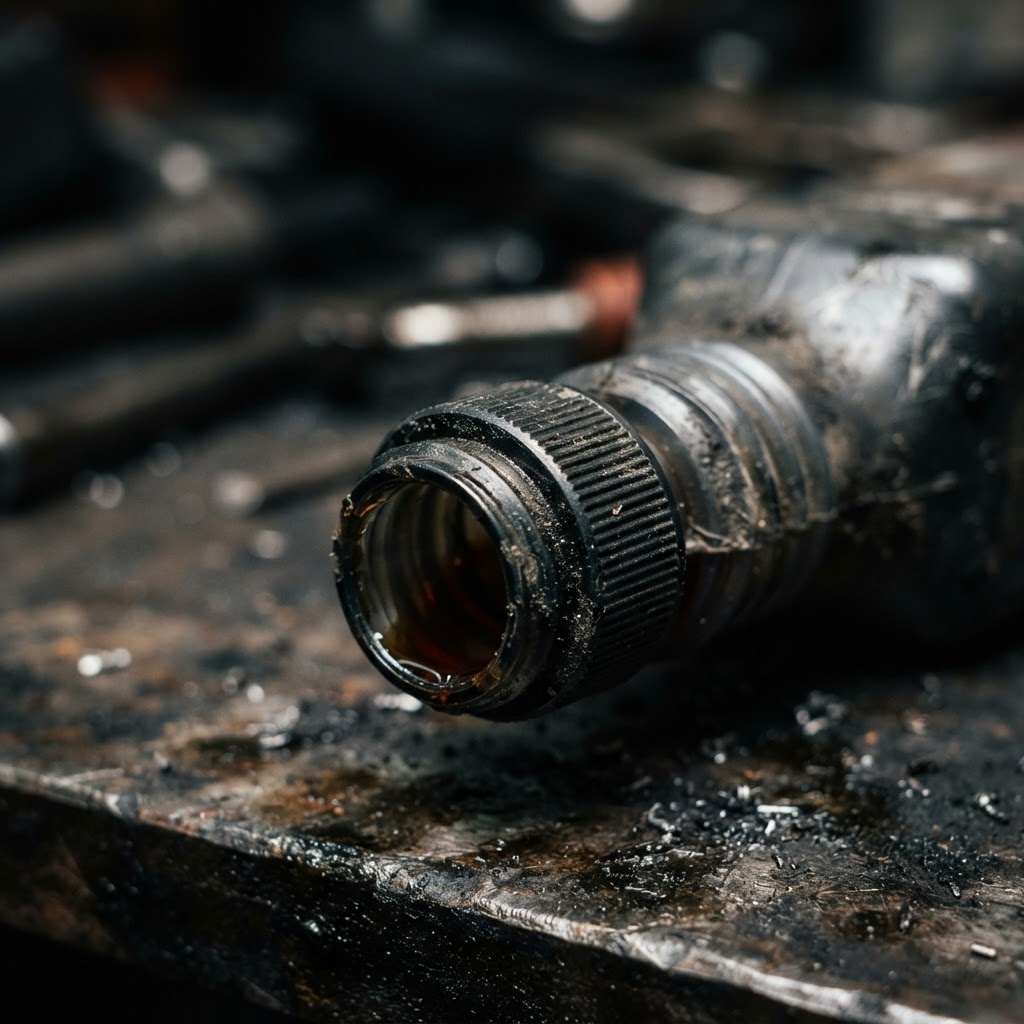
Fuel Stabilizer
To prevent a recurrence of stale fuel and carburetor varnish, adding this chemical treatment to your fuel supply protects the internal passages of the carburetor during periods of inactivity.
Affiliate Disclosure: Lil Engine may earn commissions from qualifying purchases.
Pro Tips from the Community
Real-world fixes from Reddit, YouTube & forums.
"Check for a sheared flywheel key if the mower hit a rock, as even a tiny misalignment will throw off the spark timing enough to prevent starting."
LawnSite.com Forum"If it won't fire, pull the spark plug and hold the lead near the block to check for a strong blue spark, but remember that a spark outside the cylinder doesn't always guarantee it will fire under compression."
YouTube comments"Always spray a quick shot of carb cleaner into the air intake while cranking; if it fires momentarily, you know for certain the problem is fuel delivery and not spark or compression."
Reddit r/smallengines"If the engine died suddenly while running and refuses to restart, disconnect the kill wire from the magneto to rule out a faulty safety switch or grounding issue."
DoItYourself.comPrevent This From Coming Back
Use a fuel stabilizer like Sta-Bil in every fuel can
Replace the fuel filter every 50 hours of operation
Run the engine until the carburetor is dry before long-term storage
Replace the spark plug and air filter annually
Check flywheel cooling fins for debris to prevent thermal-related ignition failure
Prevent This From Happening Again
While you're fixing it, stock up on the maintenance essentials that keep your small engines running right.
Spark Plug
The cheapest, fastest fix for most small engine starting problems.
Get on AmazonCarburetor Cleaner
Cleaning the carb is the #1 fix for surging and stalling engines.
Get on AmazonFuel Stabilizer
Prevents the stale fuel problems that cause most seasonal no-starts.
Get on AmazonAffiliate Disclosure: Lil Engine may earn commissions from qualifying purchases.
Frequently Asked Questions
It is not recommended. Briggs and Stratton engines are sensitive to heat range and electrode design; using the incorrect plug can cause pre-ignition or excessive carbon buildup.
Video Help
Helpful videos showing these repairs in action.
Share Your Repair
Real-world fixes help everyone. Share what worked and your repair becomes part of Lil Engine's community database.
Related Problems
More Small Engines GuidesRelated Maintenance Articles
Related Symptoms
Won’t Start
Carburetor / Fuel Issues
Related Searches
Small Engines Troubleshooting
Did this help?
Your feedback helps improve guides for everyone.